
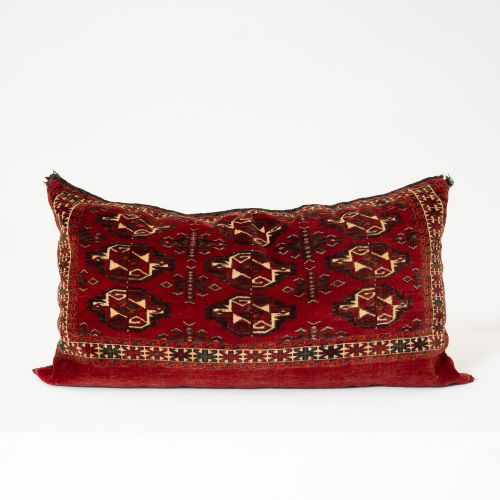
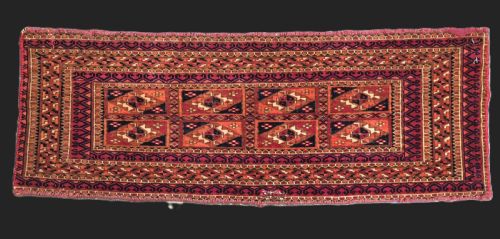
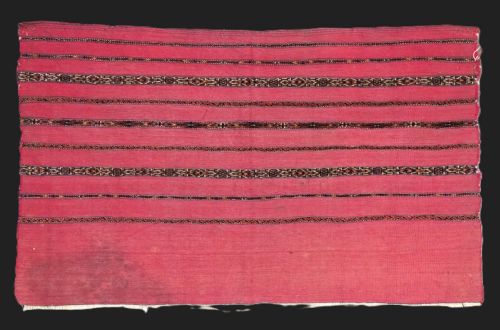
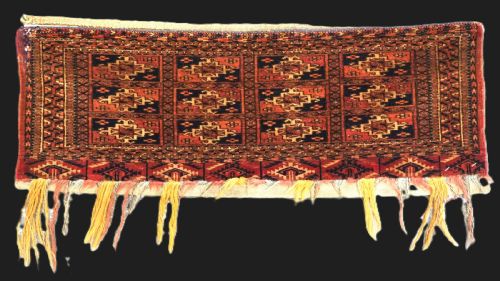


Red Tekke Turkmen Bag
A red tekke turkmen bag brings tactile warmth and intricate tribal geometry into modern interiors through enduring nomadic weaving traditions.
Red Tekke Turkmen Bag
The pieces appearing on this page span the eighteenth, nineteenth, and early twentieth centuries. Surviving examples range from complete storage bags retaining original plain weave backs to individual tent bags and fragments.
Makers utilised distinct formats such as the larger chuval storage sacks and smaller torba wall hangings. Examples frequently display characteristic gül motifs repeated across deep red grounds.
How they were made
Weavers constructed these textiles predominantly using wool foundations paired with natural dyes. Cotton and linen elements also appear within the structural weave of specific examples.
Production techniques relied on dense knotting traditions passed through generations in Central Asian tribal communities. Natural dyestuffs produced the characteristic saturated red palettes seen across the surviving corpus.
Listings span periods from the eighteenth century through to the early twentieth century, utilising wool, cotton, and natural dyes.
What varies in quality
Knot density and structural fineness separate standard examples from masterworks. Very fine weaves demonstrate exceptional technical control by the original weaver.
The precision of the drawing and the complexity of the gül arrangements dictate visual success. Exceptional examples maintain crisp geometry and balance across the red field.
The Red Tekke Turkmen Bag Glossary
- Torba
- A small utility bag traditionally used for domestic storage inside a yurt. These pieces typically hung against tent walls.
- Chuval
- A large storage sack used by nomadic families for bedding and household possessions. They often feature multiple primary güls.
- Gül
- A repeating octagonal medallion motif central to Turkmen tribal design. Different tribes utilised specific variations to denote identity.
- Mafrash
- A rectangular storage container or mattress bag utilised during nomad migrations. Surviving panels frequently display end-to-end patterns.
- Kizil
- A designation for red-ground Turkmen weaving traditions. These pieces showcase dominant madder-derived crimson tones.
Red Tekke Turkmen Bag: Frequently Asked Questions
What were these bags used for?
Nomadic families utilised these containers to store household goods, clothing, and bedding inside traditional tents. They hung along interior walls or packed onto animals during seasonal migrations.
Smaller formats held specific domestic items while larger sacks accommodated bulky textiles. Every container balanced utility with tribal identity through traditional ornamentation.
How do I live with a tribal bag?
These textiles adapt well to modern domestic spaces as wall hangings or displayed flat on low surfaces. Their durable wool construction withstands gentle environments when protected from direct sunlight.
Mounting textiles behind glass or securing them safely to walls preserves the wool structure. Regular rotation prevents uneven environmental exposure in living areas.
How are different periods identified?
Earlier nineteenth-century examples often display saturated natural red dyes and highly refined wool handling. Structural indicators like knot counts and back panel construction provide clues to age.
Stylistic shifts in the proportions of the güls help separate mid-nineteenth-century items from later twentieth-century pieces. Each period carries distinct technical signatures embedded in the weave.
What is a gül design?
A gül is a repeating medallion motif that identifies the specific tribal group responsible for the weaving. Tekke examples incorporate structured octagonal forms across the red field.
These motifs functioned as visual markers of heritage and lineage within Central Asian societies. Variations in the internal quarters of the medallion distinguish sub-groups.