




Red Silk Throw
A red silk throw brings vibrant textile art into a room, offering rich embroidered panels from Central Asian traditions.
Red Silk Throw
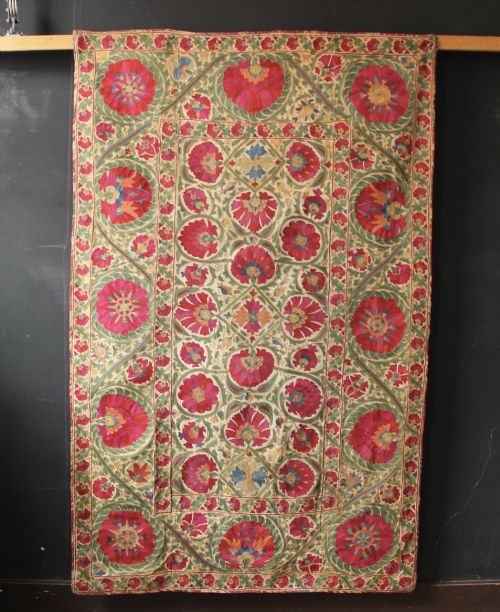
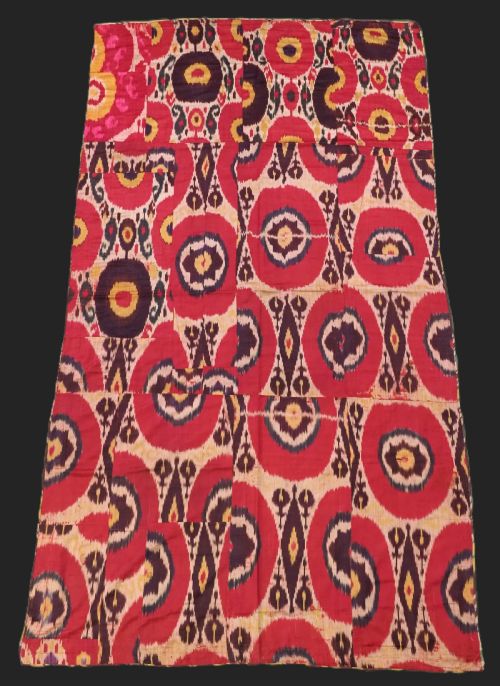
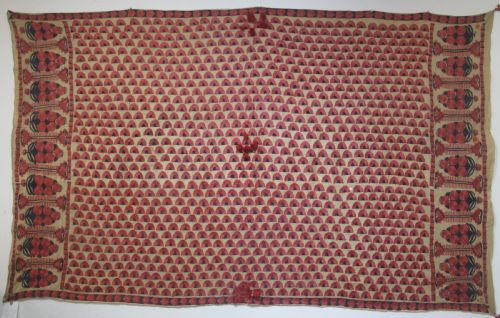
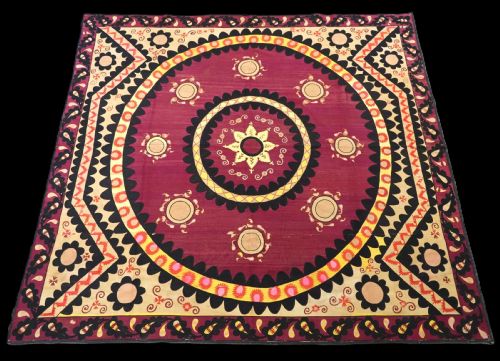
A red silk throw search leads primarily to antique and vintage textiles from Central Asia, including embroidered suzanis and ikat panels. These pieces span periods from the mid nineteenth century through the early twentieth century, reflecting traditional craft across regions such as Uzbekistan and Pakistan.
The items listed under red silk throw include embroidered covers, wall hangings, and shawl panels worked with silk thread. Makers utilise grounds of red cotton, wool, adras silk, or silk-cotton blends to support dense floral and geometric needlework.
Buyers encounter distinct regional types such as Bokhara, Tashkent, and Lakai pieces, alongside Sindh embroidered shawls. These textiles function effectively as decorative wall panels or draped covers within modern interiors.
How They Were Made
Artisans constructed these textiles by stitching fine silk thread onto woven foundation grounds of cotton, wool, or adras. The needlework frequently covers the base fabric entirely in dense, complex patterns characteristic of Central Asian folk art.
Weavers produced ikat panels using resist-dyeing techniques on warp threads prior to weaving, creating characteristic feathered colour boundaries. Embroiderers then applied supplementary thread work to complete the decorative surface.
Lakai embroiderers occasionally added tiny mirrors to catch the light, ensuring stray evil spirits found themselves thoroughly distracted.
What Varies in Quality
Quality rests upon the density of the embroidery and the complexity of the design, with fully worked palak suzanis representing the height of the maker's labour. Ground fabrics also differ, ranging from standard cotton to finer adras silk blends or sturdy wool.
The vibrancy of the silk thread and the precision of regional needlework separate standard examples from finer tribal pieces. Preservation of the original ground fabric and silk embroidery dictates the overall visual impact of each textile.
The Red Silk Throw Glossary
- Suzani
- An embroidered textile panel originating from Central Asia, traditionally worked in silk on a cotton or wool ground. These pieces often feature large floral or star motifs.
- Ikat
- A dyeing and weaving technique where threads are resist-dyed before being set on the loom. This process creates distinctive blurred edges along the pattern.
- Adras
- A traditional fabric woven from a combination of silk and cotton yarns. It provides a stable yet lustrous ground for needlework.
- Palak
- A fully embroidered suzani design type characterised by large central star motifs or heavy overall coverage. These pieces demand significant time from the maker.
- Nim suzani
- A smaller or half-scale embroidered panel version of a full suzani. These were often produced for specific domestic uses.
Red Silk Throw: Frequently Asked Questions
How were suzanis used originally?
These textiles served practical and ceremonial roles within Central Asian households as wall hangings, bed covers, or decorative elements. Families often commissioned them as part of a bride's dowry.
Over time, these pieces became cherished focal points in domestic interiors, valued for their rich needlework and vibrant colour palettes.
Can I hang an antique textile on the wall?
Hanging these pieces provides an effective way to display the intricate embroidery while minimising physical wear from foot traffic or seating. Proper mounting distributes the weight evenly across the textile panel.
Specialist framers or conservators utilise gentle support methods to secure the fabric without damaging the historic silk threads or ground.
How do I care for antique silk embroidery?
Protecting these textiles from direct sunlight prevents the natural silk threads and red ground fabrics from fading over time. Gentle dusting with a soft brush helps maintain the surface without disturbing the stitches.
Professional textile conservators should handle any cleaning or major preservation work required for nineteenth-century pieces.
What is the difference between a suzani and an ikat?
A suzani relies on needle embroidery applied by hand onto a woven ground fabric to create floral or geometric designs. Artisans build the pattern stitch by stitch using coloured silk threads.
An ikat achieves its pattern through the dyeing of threads prior to the weaving process itself, resulting in a distinct woven design rather than surface embroidery.