









Red Painted Wood Carving
A red painted wood carving brings rich pigment and tactile texture into a room, spanning figures, furniture and folk art from diverse global traditions.

Red Painted Wood Carving
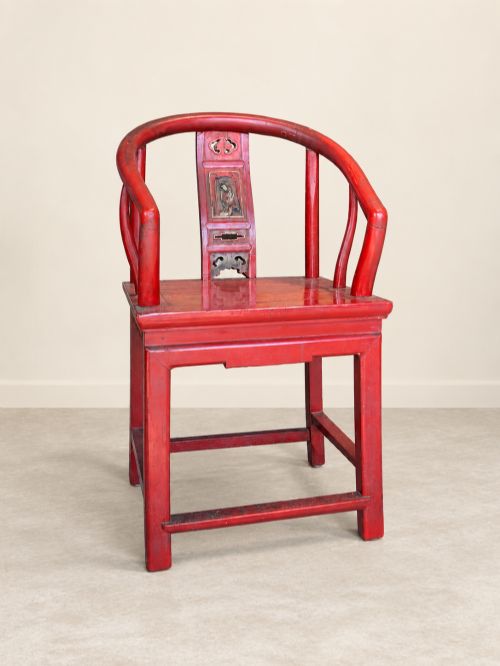
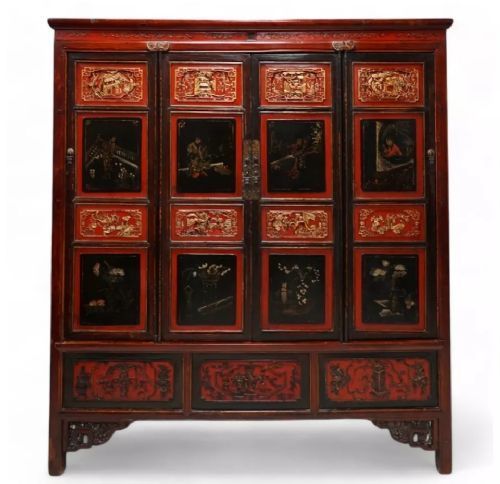
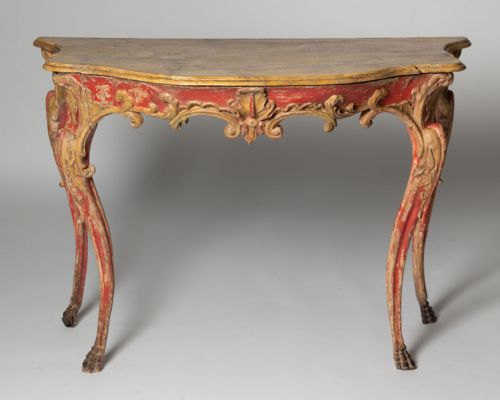
A red painted wood carving encompasses a varied selection of objects, ranging from religious figures and folk art to seating and cabinets. When exploring this selection, a buyer frequently encounters pieces originating from Chinese workshops, Italian workshops, and English fairgrounds.
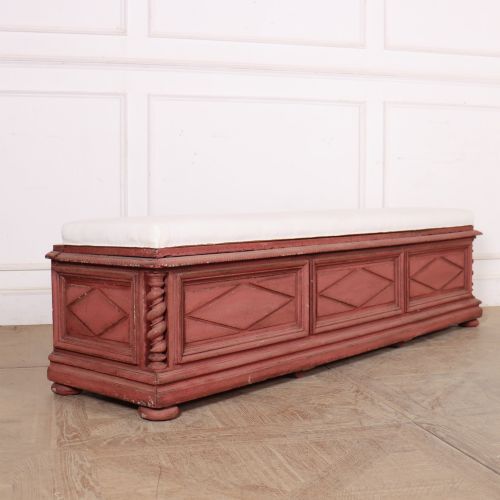
The objects take many functional and decorative shapes, including console tables, armchairs, wall mirrors, folding screens, and sculptural statues. These diverse forms reflect centuries of regional craftsmanship where timber serves as the foundation for vibrant red pigment and surface decoration.
Materials and Technique
Makers shaped various woods, including elm, thorn wood, and general carved timber, before applying surface treatments such as gesso, lacquer, and polychrome paint. Layers of gold leaf or detailed brushwork often complete the decorative scheme over the wooden substrate.
Techniques varied by region, from the traditional lacquer applications found on Chinese cabinets and screens to the polychrome painted surfaces seen on European saints, home altars, and fairground panels.
Evaluating Quality
The distinction between tiers rests upon the dexterity of the carver and the preservation of the original painted surface. Finer examples display confident, deep carving in the wood alongside harmonious layering of polychrome paint, lacquer, or gold leaf.
Subtlety in surface wear and the integrity of the underlying structure also separate standard items from superior pieces. Original pigment that retains its depth without excessive modern intervention commands greater interest among collectors.
The Red Painted Wood Carving Glossary
- Polychrome paint
- Decoration executed in multiple colours upon the surface of wood or gesso. This technique brings vivid life to carved figures, saints, and architectural fragments.
- Gesso
- A plaster-like mixture applied to wood as a smooth base for paint or gold leaf. It provides a crisp ground for intricate decorative details.
- Lacquer
- A durable resin finish applied in successive layers to wooden objects. It produces a smooth, lustrous surface characteristic of Asian cabinets and screens.
- Gold leaf
- Extremely thin sheets of beaten gold applied to wooden carvings or furniture. It adds reflective brilliance and highlights specific architectural or sculptural elements.
Red Painted Wood Carving: Frequently Asked Questions
How do I clean a painted wooden carving?
Dust the surface gently with a soft, dry brush or microfibre cloth to prevent accumulation. Avoid using water, damp cloths, or chemical solvents, which can lift fragile paint and lacquer layers.
Keeping the piece away from direct sunlight and stable humidity levels protects the wood from movement and preserves the integrity of the original pigments.
Are these carvings suitable for everyday use?
Many items, such as chairs, tables, and cabinets, remain robust enough for functional placement in a modern interior. Sculptural figures and wall panels are best positioned where they receive minimal physical handling.
Placing items away from heat sources prevents the timber from drying out and guards the painted finishes against cracking or flaking.
How can I tell the age of the wood?
Examining the tool marks left by the maker helps determine whether a piece was shaped with traditional hand implements or modern machinery. Tool marks and surface wear patterns provide key clues to a piece's period.
Natural timber shrinkage, stable drying cracks, and the historical buildup of wax or dirt beneath the paint layers further indicate genuine age.
What is the difference between folk art and formal pieces?
Folk art objects, such as fairground panels, trade figures, and home altars, often display expressive, unpretentious craftsmanship made for local use. They possess a direct charm distinct from workshop-produced furniture.
Formal pieces like console tables and lacquer cabinets exhibit refined stylistic conventions, precise joinery, and planned decorative schemes aligned with specific historical design periods.