








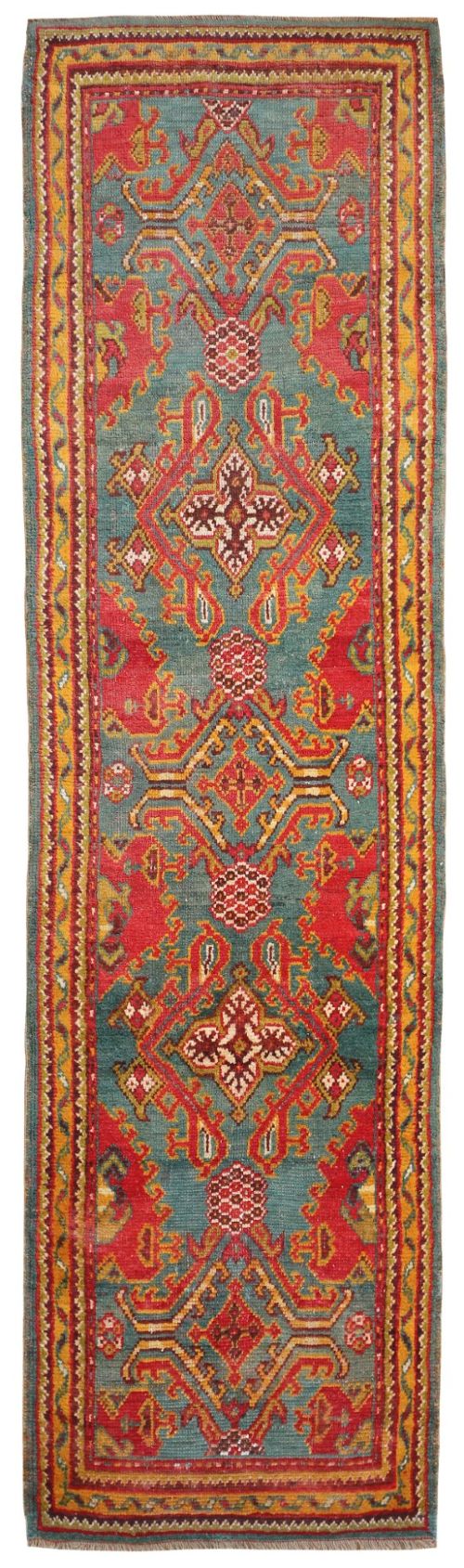
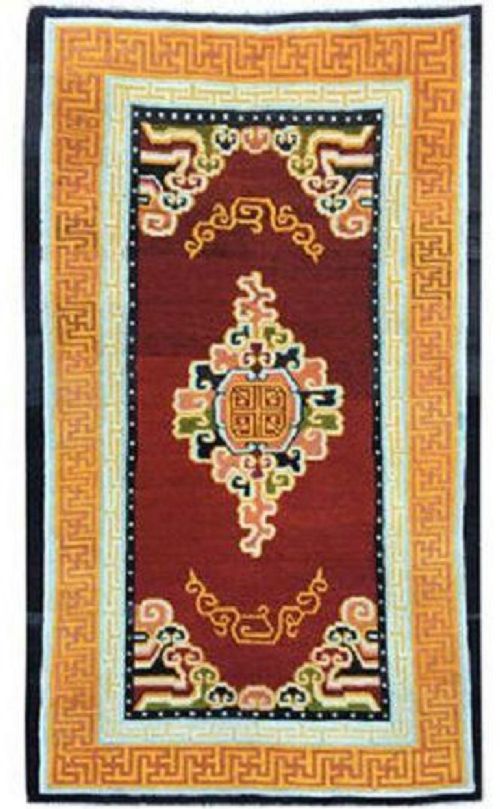
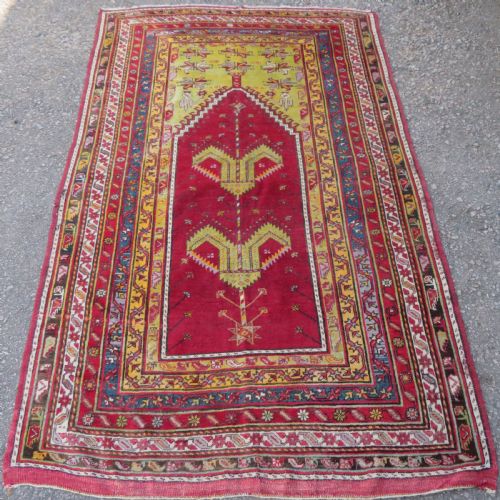
Red Oriental Runner
A red oriental runner brings deep crimson hues and narrow proportions to long hallways, drawing the eye along historic woven floor coverings.
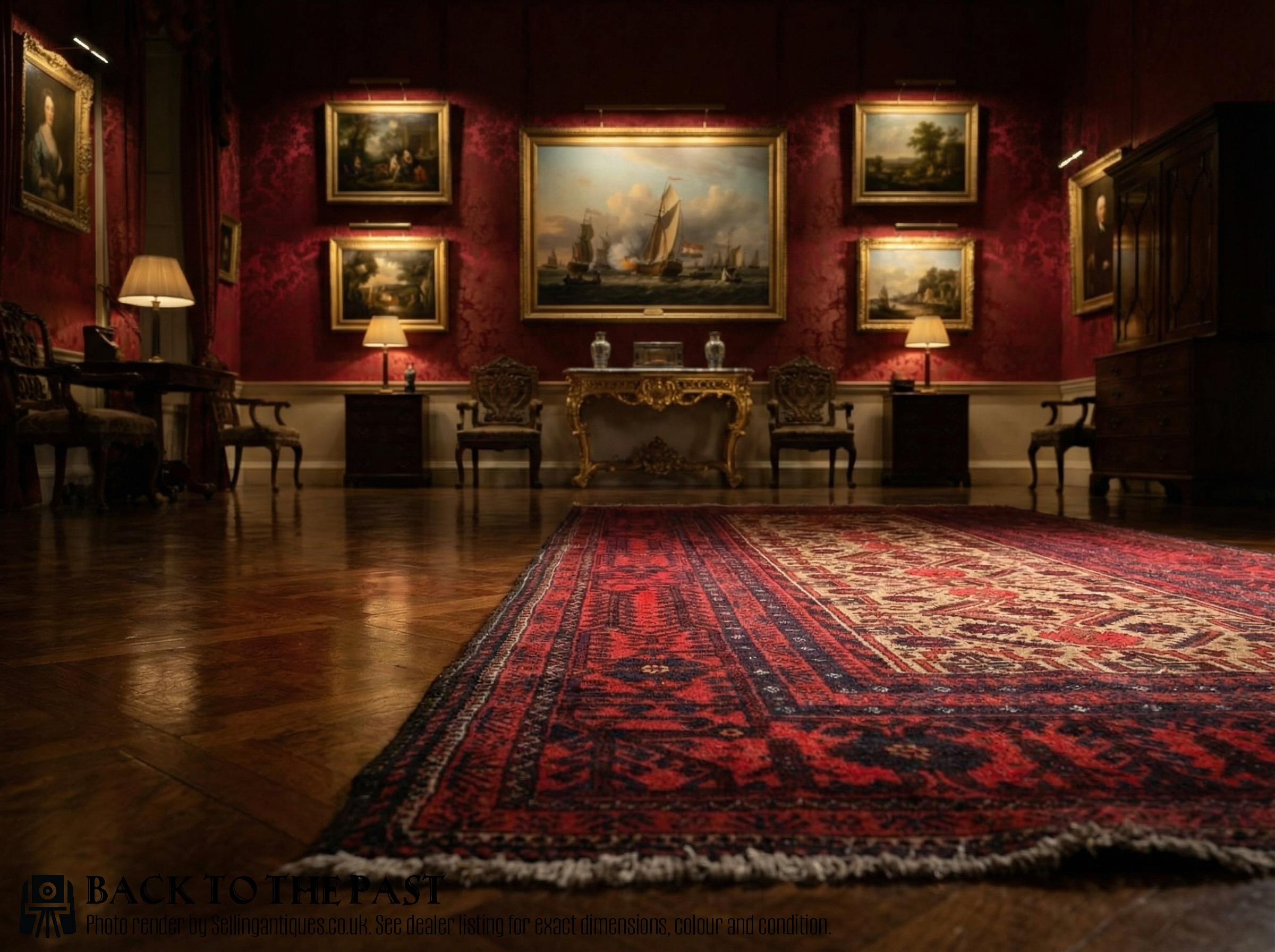
Red Oriental Runner
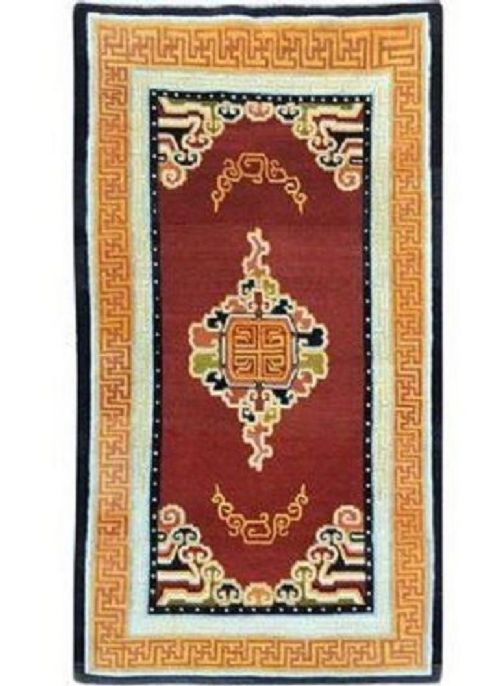
A red oriental runner brings together narrow floor coverings originating from Persia, the Caucasus, Anatolia, and Central Asia. These elongated textiles were woven for corridors, landings, and narrow spaces within traditional homes.
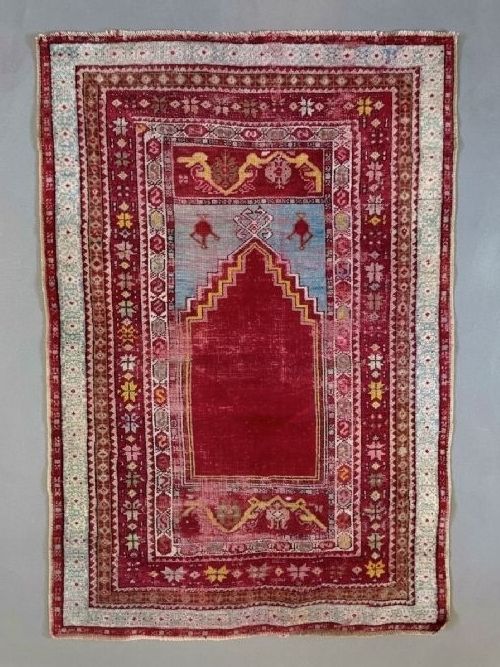
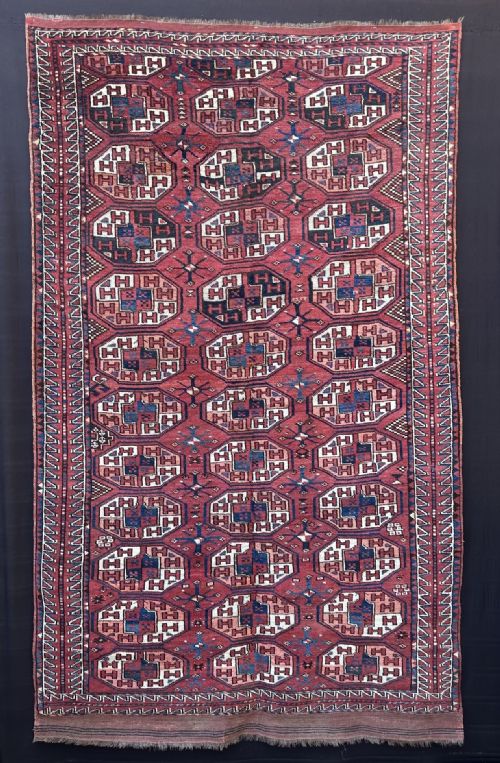
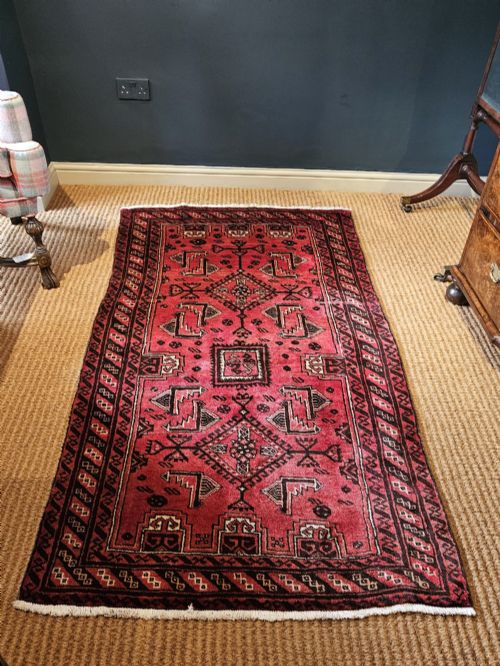
Buyers searching for a red oriental runner encounter pieces spanning from the late nineteenth century through the early twentieth century. Common regional types include Heriz, Hamadan, Caucasian, and Baluch examples.
Materials and Construction
The primary material found across these runners is wool, spun by hand and dyed using natural colourants derived from plants and insects. Cotton frequently serves as the foundation warp and weft, providing structural stability to the woven textile.
Weavers knotted the wool pile onto vertical looms by hand, creating dense surfaces designed to withstand heavy foot traffic in domestic hallways. Occasional examples incorporate silk or metallic thread highlights to accentuate specific motifs.
The listings span eight distinct decades of production, ranging from the eighteen-sixties to the nineteen-thirties.
Evaluating Quality and Character
Quality in these runners rests upon the density of the knotting and the precision of the geometric or floral layout. Finer piles allow intricate medallion and lattice patterns to appear crisp and well-defined.
The depth and saturation of the natural dyes greatly influence visual merit, as madder reds age gracefully over decades. Material integrity and even wear across the runner foundation distinguish better-preserved examples from heavily distressed pieces.
The Red Oriental Runner Glossary
- Runner
- A long, narrow carpet format designed specifically for corridors, hallways, and staircases.
- Mihrab
- A stylized niche design often found in prayer rugs, pointing toward Mecca.
- Warp
- The vertical foundation threads stretched lengthwise on the loom before knotting begins.
- Weft
- The horizontal threads passed across the warp to secure each row of knots in place.
- Pile
- The cut wool or silk surface of the carpet that stands upright from the foundation.
Red Oriental Runner: Frequently Asked Questions
Where should I place a runner?
These narrow formats suit long hallways, entryways, and narrow landings where floor protection and warmth are needed.
They direct foot traffic effectively while adding historical character to utilitarian spaces.
How do I care for wool runners?
Regular gentle vacuuming without a rotating brush roll helps remove embedded dirt from the wool pile.
Professional cleaning is recommended when necessary to preserve the natural dyes and foundation structure.
What styles are available?
The selection includes Persian, Caucasian, Anatolian, and tribal designs featuring geometric motifs or floral medallions.
Each regional tradition brings distinct border patterns and colour combinations to the woven surface.
How old are these runners?
The pieces originate primarily from the late nineteenth century and the early decades of the twentieth century.
Dates generally span from the eighteen-sixties through the nineteen-thirties.