


Red Ersari Woven Rug
When you examine a red ersari woven rug, you encounter Central Asian tribal weaving rooted in traditional nomadic forms and deep madder tones.
Red Ersari Woven Rug
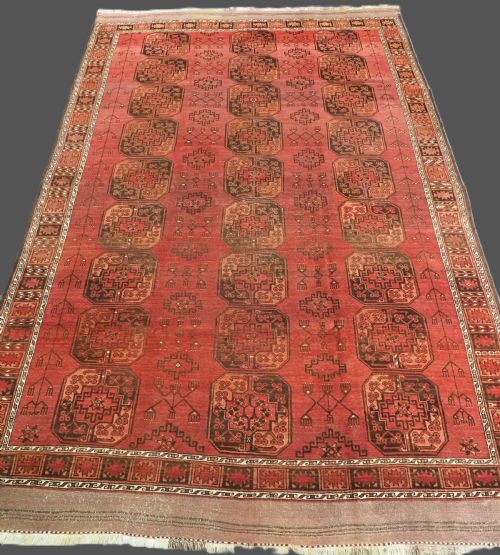
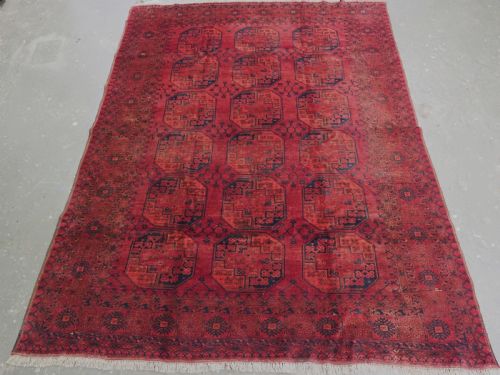
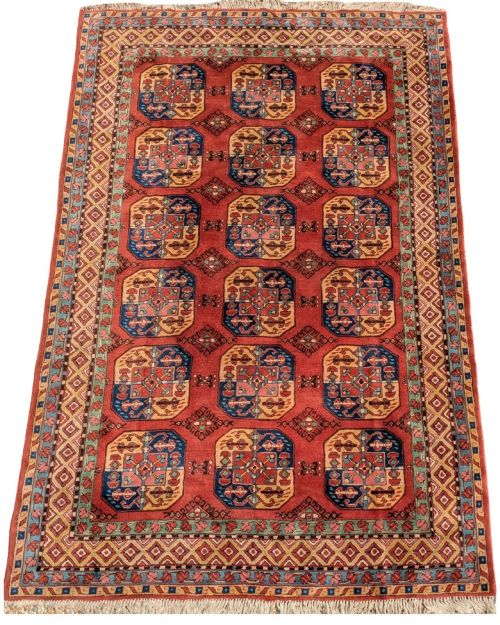
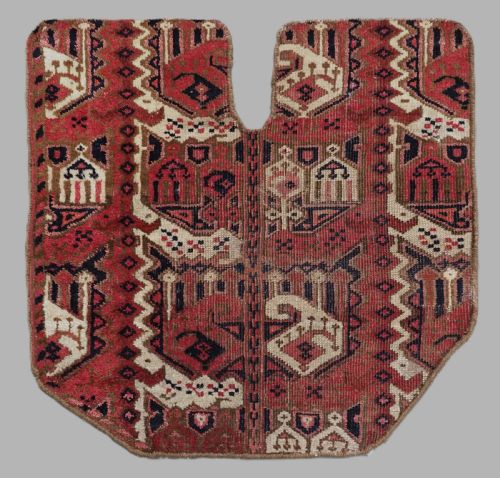
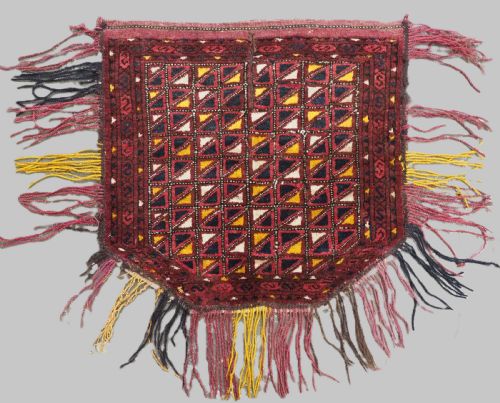
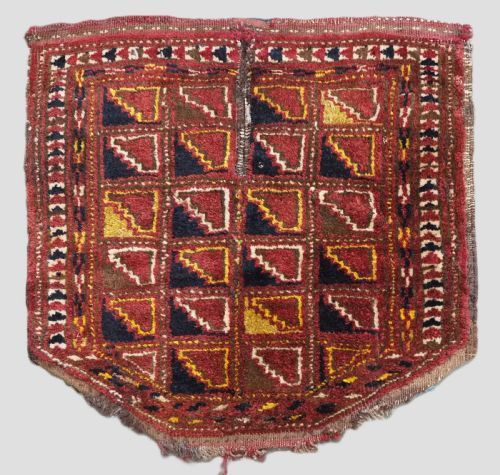
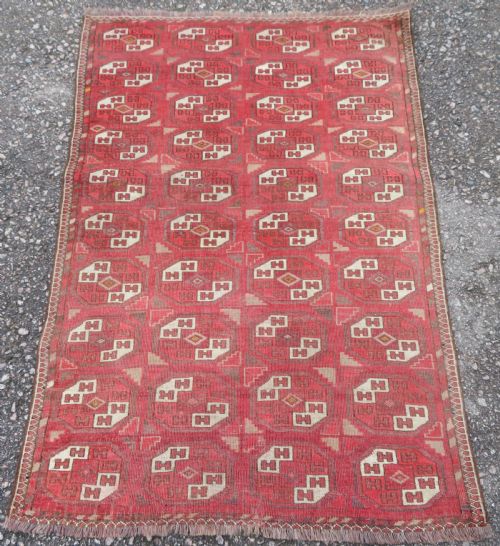
A red ersari woven rug encompasses large main carpets, smaller storage bags known as torbas, and specialised tent furnishings like door rugs or ensis. These pieces emerge from Central Asian tribal traditions, spanning dates from the early nineteenth century through to the early twentieth century.
The most common formats on this page are domestic torbas and larger tribal carpets displaying classic gul motifs or geometric secondary patterns. Their origins tie them to Turkmen and Afghan weaving groups, particularly the Ersari tribe and related sub-tribes.
Buyers look for these textiles to bring authentic tribal geometry and saturated madder grounds into domestic interiors. Each format, from saddle covers to main carpets, carries the distinct structural signatures of nomadic craftsmanship.
How They Were Made
These textiles rely primarily on hand-spun wool foundations and piles, occasionally incorporating silk highlights, goat hair, or horsehair within the structure. Natural dyes provide the dominant warm red colourways that define the visual impact of the weaving.
Weavers constructed these pieces on portable tribal looms, employing durable knotting techniques suited to hard-wearing domestic and camp use. Structural integrity often stems from sturdy wool or animal hair foundations that support intricate piled faces and flatweave finishes.
Listings span nineteenth and early twentieth-century periods, showcasing wool, natural dyes, silk, and animal hair foundations.
What Varies in Quality
Quality rests in the handling of natural dyes, where depth and variation across the red ground elevate a piece above flat or uniform surfaces. The clarity of the gul design and the precision of secondary motifs reveal the weaver's control over traditional geometry.
Structural preservation and the survival of original elements, such as tassels, backings, and complete borders, distinguish better-preserved examples. The fineness of the wool spin and the inclusion of silk highlights further separate standard utility pieces from finer tribal items.
The Red Ersari Woven Rug Glossary
- Gul
- A primary repeating medallion motif used across Turkmen and Ersari carpets. These octagonal or polygonal symbols often identify specific tribal lineages and sub-groups.
- Torba
- A small storage bag produced by nomadic weavers for use inside a tent. They frequently feature detailed face designs and survive today as wall hangings or collector pieces.
- Ensi
- A tribal door rug or hanging traditionally placed at the entrance of a yurt. They typically display a cross-panel layout dividing the field into distinct quarters.
- Beshir
- A sub-style associated with Ersari weavers residing near the Amu Darya river basin. These pieces often incorporate ikat-inspired motifs or more fluid floral elements.
- Kapunuk
- A specialised tent door rug designed to frame the wooden lintel of a nomadic dwelling. They feature a distinctive tripartite shape intended to fit the doorway structure.
Red Ersari Woven Rug: Frequently Asked Questions
How were these rugs used in nomadic life?
Nomadic families utilised these textiles for both practical storage and domestic decoration inside traditional dwellings. Items like torbas held household goods, while main carpets lined the floors of tents.
Door rugs such as ensis and kapunuks served structural and protective roles at the entrance of the yurt. Every piece fulfilled a functional requirement within daily camp life before entering the collector market.
What defines an Ersari design?
Ersari designs rely heavily on traditional gul motifs, octagons, and geometric field patterns executed in warm madder red colourways. Unlike some tighter Turkmen styles, Ersari patterns often display a more relaxed and spacious arrangement.
Certain groups within the tradition also incorporated boteh or ikat-inspired motifs, particularly in Beshir-attributed pieces. This combination of tribal geometry and varied secondary ornamentation creates their recognisable appearance.
How do I care for an antique tribal rug?
Protect these textiles by placing them in low-traffic areas away from direct, harsh sunlight that can fade natural madder dyes. Gentle vacuuming without a rotating brush roll helps remove grit from the wool pile without stressing the foundation.
Using a breathable underlay prevents slipping and allows air circulation beneath the carpet. Professional textile conservators should handle any washing or structural repairs to preserve the original materials.
How do I identify a torba from a main carpet?
Torbas are considerably smaller in scale because they were constructed as functional storage bags for tent interiors. They usually present a single prominent row of guls on a rectangular face designed to be viewed horizontally.
Main carpets, by contrast, are large floor coverings designed to occupy the central space of a room or tent. They feature repeating all-over patterns across an expansive field rather than the compact format of a bag face.