
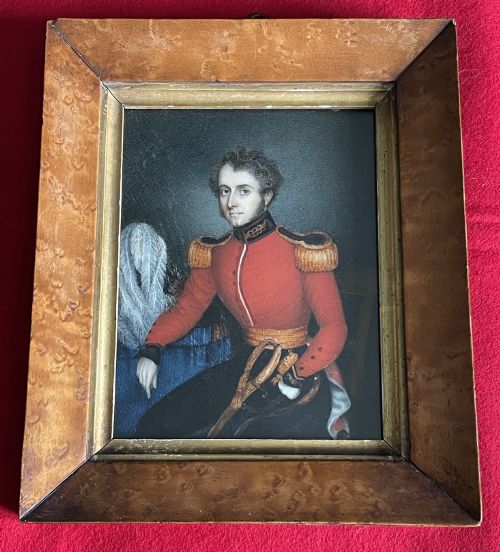
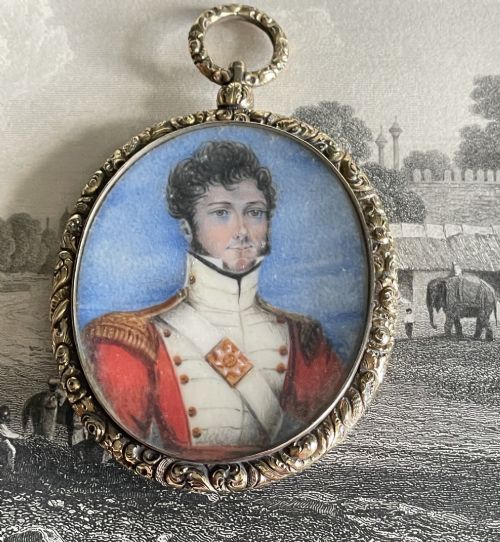


Red Coat Military Portrait
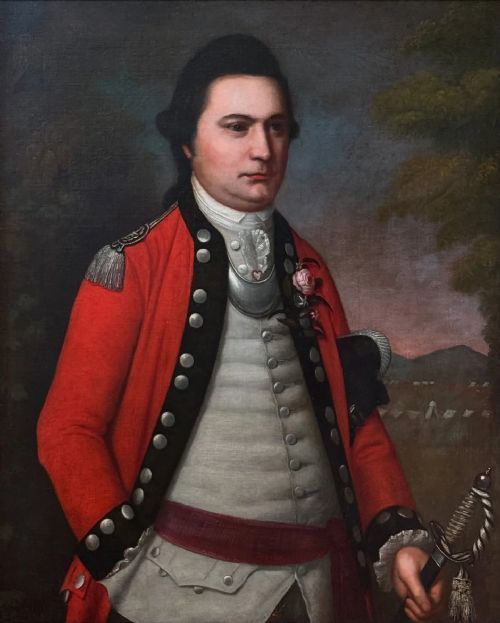
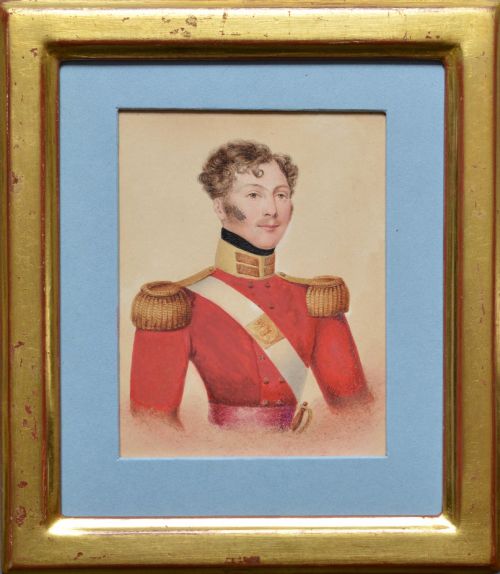
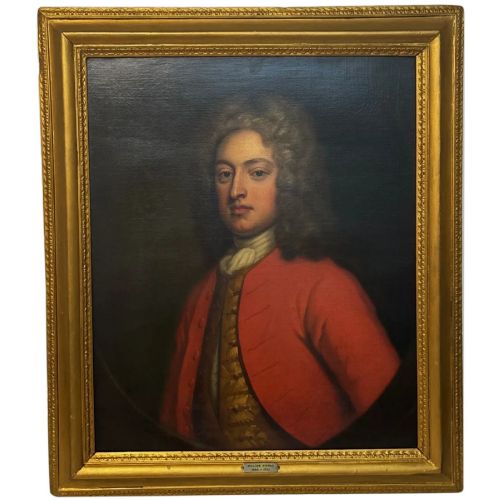
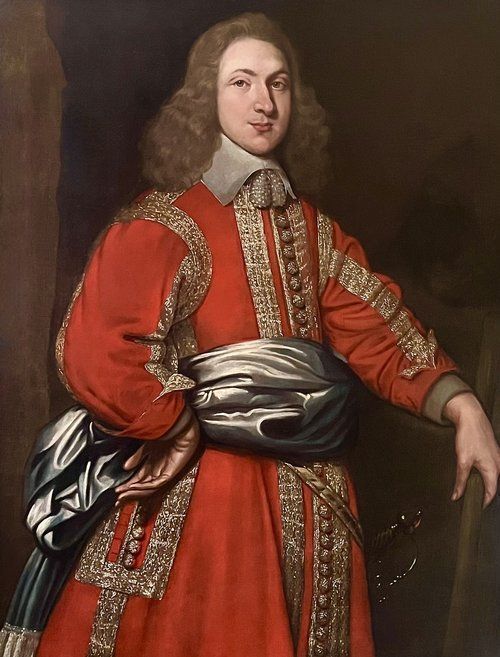
A red coat military portrait captures the striking scarlet uniform of an officer or soldier, offering a tangible link to historical campaigns and regiment heritage.
Red Coat Military Portrait
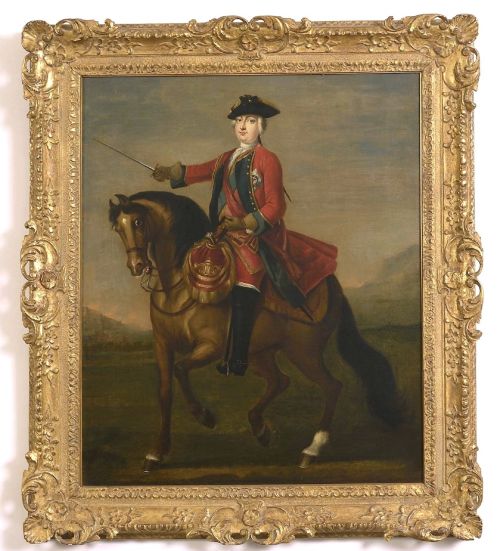
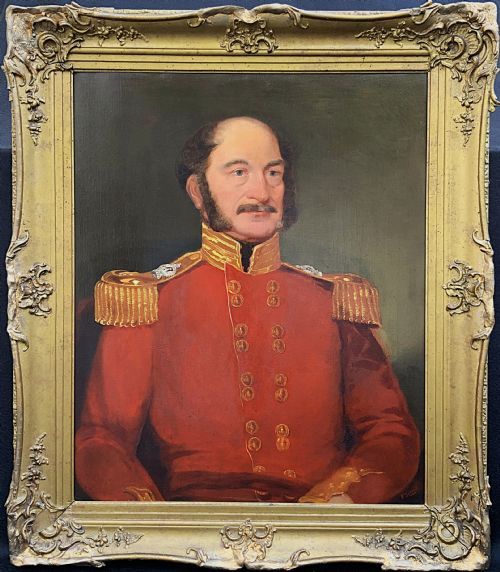
A red coat military portrait depicts officers and soldiers in traditional scarlet uniforms, spanning periods from the seventeenth century through to the nineteenth century. These works capture specific regiments, such as the Staffordshire 80th Regiment of Foot or the Scots Greys, recording the distinct dress of historical British military service.
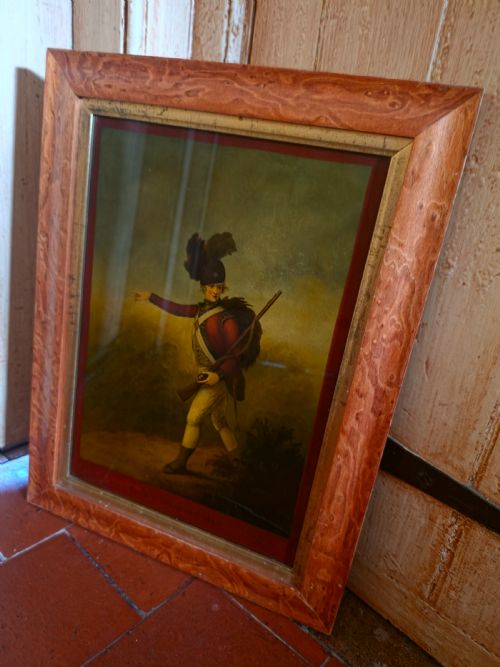
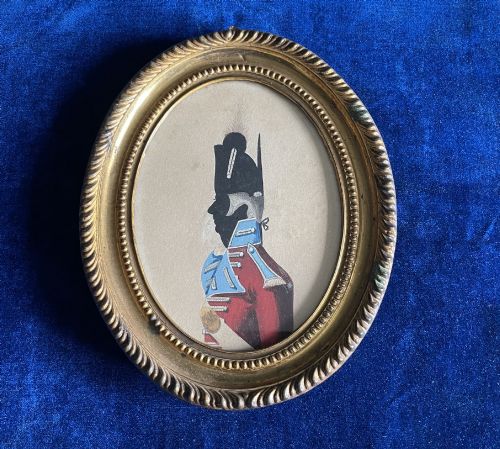
The pieces on this page appear in various formats, predominantly as oil on canvas and watercolour, alongside portrait miniatures and reverse glass pictures. Buyers encounter works ranging from large Georgian and Victorian oil paintings to intimate miniature watercolours on paper.
Origins stretch across British, Anglo-Dutch, and Anglo-Indian schools, reflecting global campaigns from the Madras Presidency to European battlefields. This selection includes works attributed to named artists as well as provincial depictions of general officers and infantrymen.
How They Were Made
Artists painted these subjects using oil on canvas, applying rich pigments to build the deep reds of the military tunics against darker, atmospheric backgrounds. Watercolour on paper offered a more portable medium, utilised for detailed portrait miniatures worn or kept in private collections.
Specialised techniques include reverse glass painting, where the image is applied directly to the glass to create a glossy, preserved surface. Framing often involves giltwood and mahogany, protecting the fragile paint and paper surfaces of these historical artworks.
Red Coat Military Portrait Retail Price Guide 2026
Typical asking prices for red coat military portrait among the pieces listed under this phrase on Sellingantiques today, from the lower quarter to the upper quarter. They describe what is for sale here now, not the wider market.
Several officers gaze out with severe expressions, seemingly unimpressed that their scarlet tunics would be admired centuries later.
What Varies in Quality
Quality rests upon the precision of the uniform details, the accurate rendering of regimental facings, and the anatomical skill shown in the sitter's face. Academic works by established portraitists demonstrate superior handling of light on fabric compared to simpler folk art or primitive interpretations.
The condition of the canvas, paper, or glass surface dictates the integrity of the piece, alongside the originality of the associated frame. Works retaining their undisturbed historical surface and clear provenance command greater attention from collectors.
Stickland Lowry·John Wootton·Thomas Hudson·Henry Walton·Sir William John Newton·George Duncan Beechey·Sir Richard Westmacott·Gerrit Schipper
The Red Coat Military Portrait Glossary
- Oil on canvas
- A traditional painting medium where pigments are suspended in drying oils and applied to a woven fabric support. This technique allows for rich colour blending and durability over centuries.
- Portrait miniature
- A small, highly detailed painting, often executed in watercolour on paper or vellum, designed for intimate viewing or personal transport. These pieces frequently record military officers in delicate scale.
- Reverse glass picture
- An artwork painted directly onto the reverse side of a glass sheet so that the final image is viewed through the transparent front. This method imparts a distinctive glossy sheen and protects the pigment from atmospheric dirt.
- Giltwood
- Wood that has been treated with a thin layer of gold leaf or gilt powder. It is commonly found on the ornate frames enclosing eighteenth and nineteenth-century portraits.
- Anglo-Indian school
- Art produced in India by British or local artists during the colonial period, frequently documenting military personnel serving in the subcontinent.
Red Coat Military Portrait: Frequently Asked Questions
What is a red coat military portrait?
A red coat military portrait is an artwork depicting a soldier or officer wearing the iconic British scarlet military tunic. These pieces record the likenesses of historical figures from various regiments.
Created across several centuries, they serve as both fine art and historical documents of military dress and service.
How do I identify the regiment?
Regiments are often identified through specific uniform details, such as collar colours, facings, lace patterns, and cap badges depicted by the artist. Inscriptions on the canvas or frame frequently name the sitter and their unit.
Archival records and military lists help connect the depicted officer to specific campaigns like the Scots Greys or the Bengal Army.
How should I display them at home?
These portraits suit traditional studies, libraries, or living spaces with stable environmental conditions away from direct sunlight. Proper hanging protects the canvas, watercolour, or glass from moisture and temperature fluctuations.
Pairing them with period furniture enhances the historical character of the room without overwhelming the artwork.