
Red Ceramic Vessel
When you search for a red ceramic vessel, you find pieces crossing centuries of global kiln traditions, from earthen storage jars to porcelain vases.
Red Ceramic Vessel
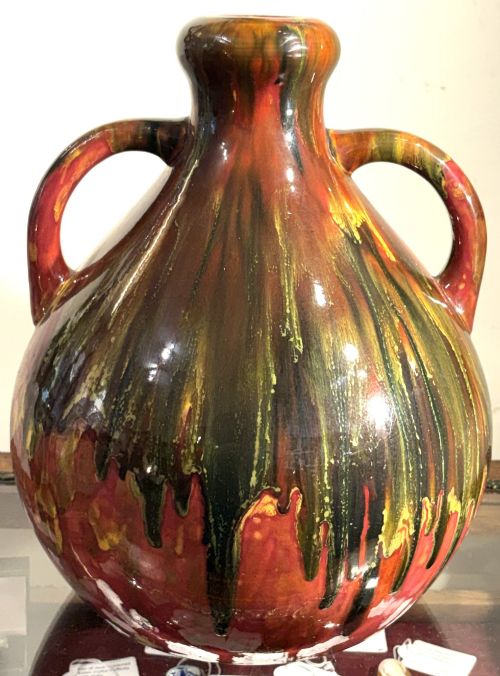
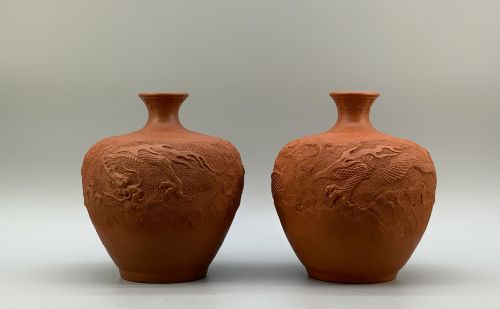
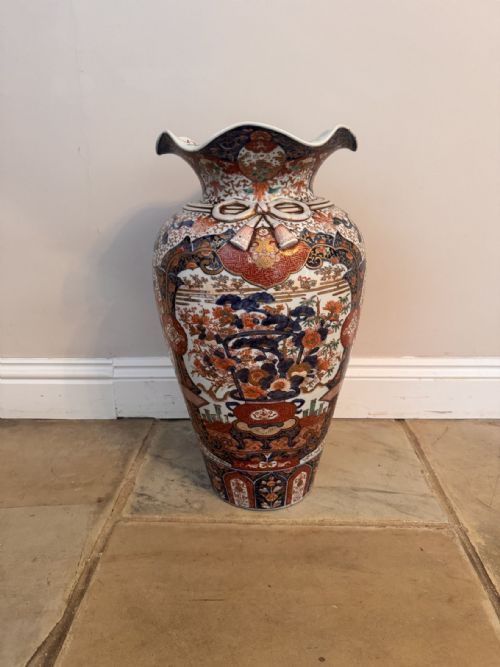
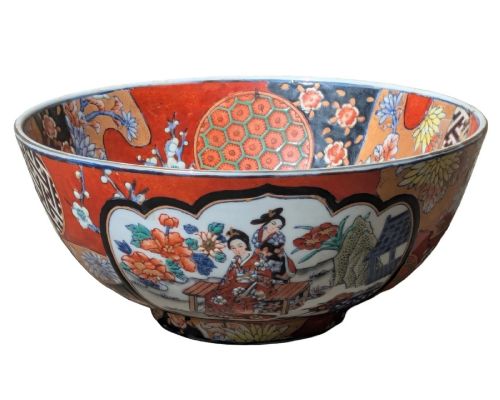
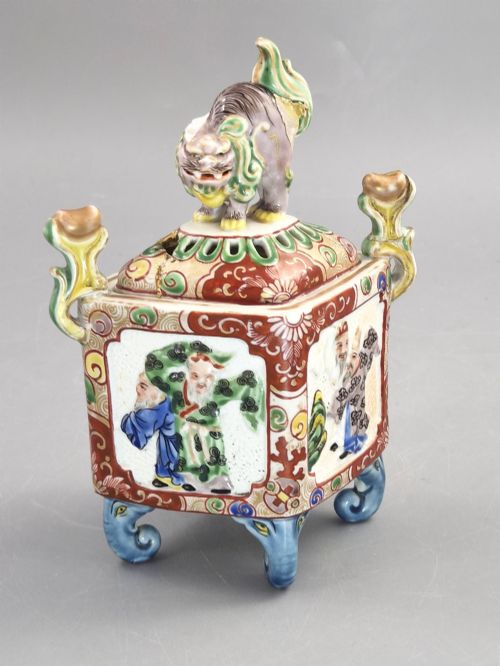
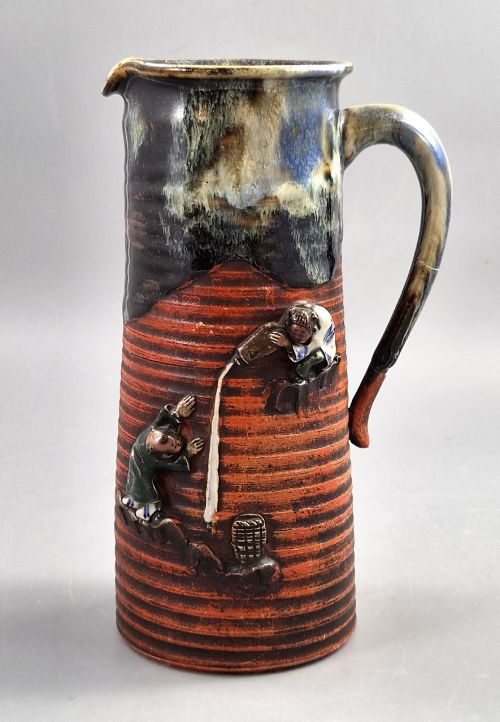
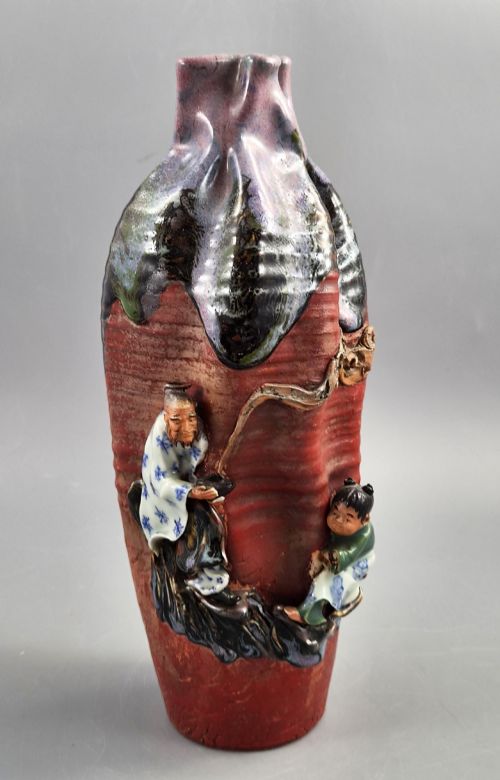
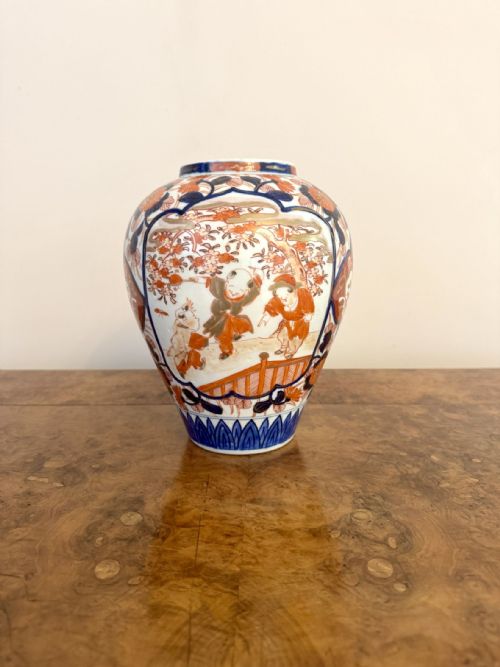
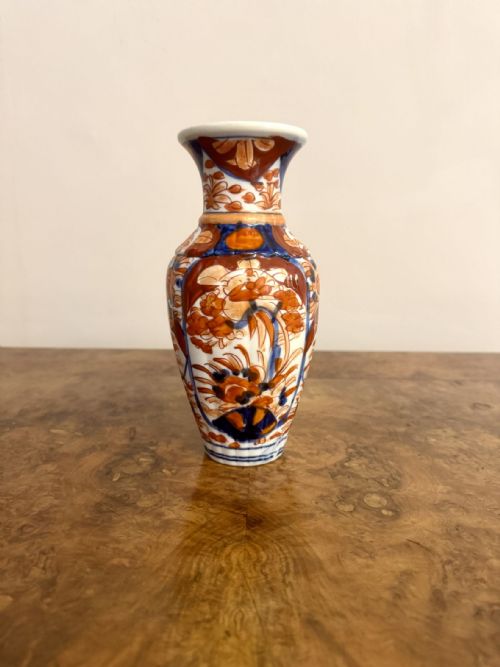
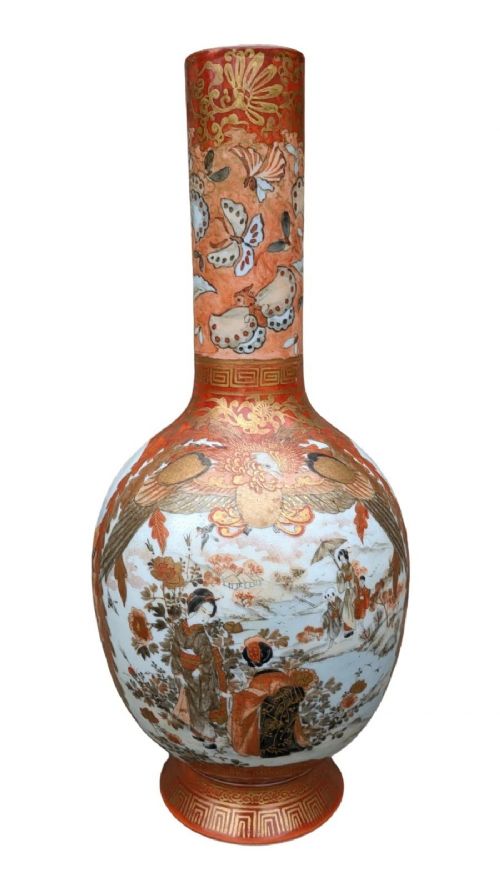
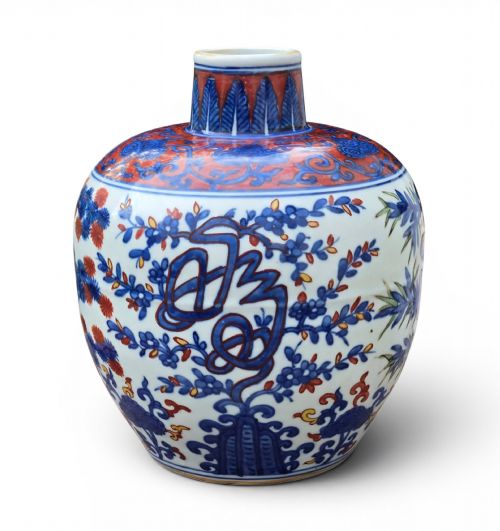
A red ceramic vessel encompasses utilitarian earthenware, decorative stoneware, and fine porcelain spanning periods from ancient dynasties to the twentieth century. The selection leans heavily toward nineteenth and early twentieth-century examples, with Japanese Imari porcelain, Kutani ware, and European art pottery forming the core of the available forms.
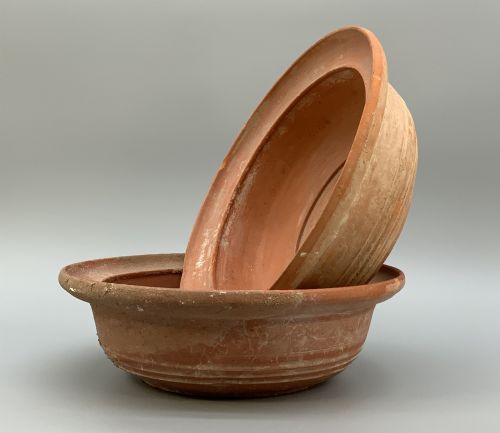
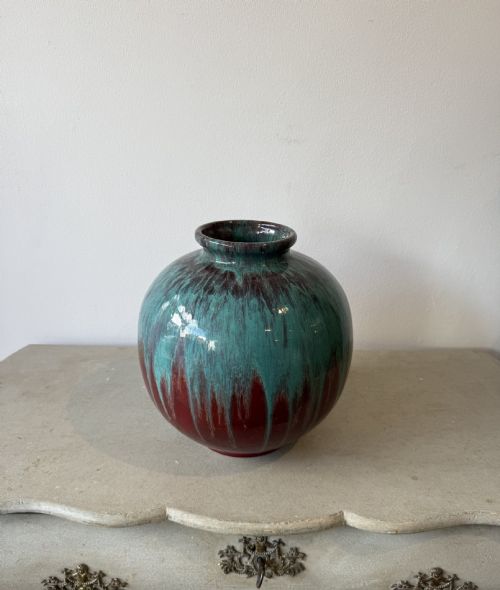
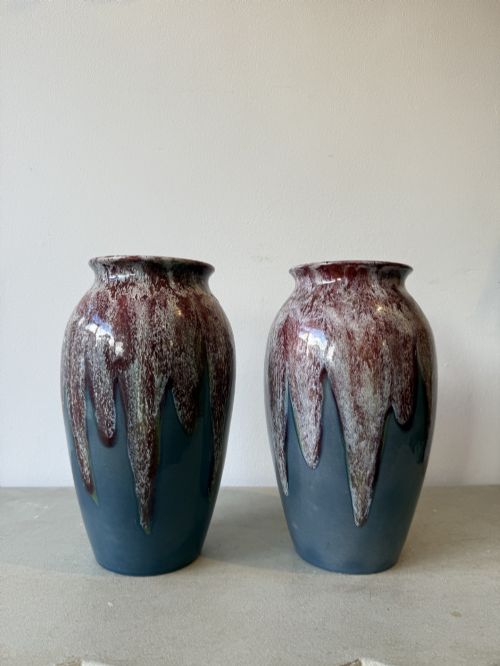
Buyers encounter diverse object types, including vases, ginger jars, incense burners, bowls, and pitchers. These items range from small cabinet pieces to large floor-standing vases and jardinieres, representing both Asian export wares and European ceramic design.
How they were made
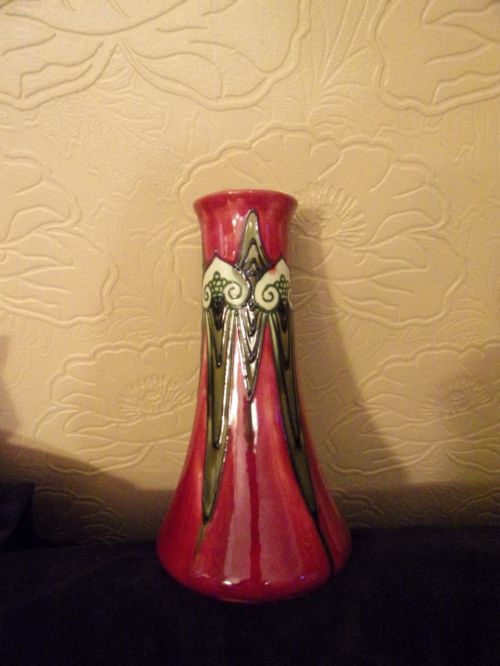
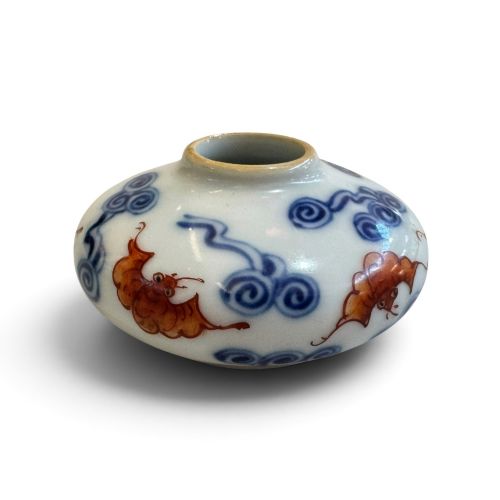
Potters shaped these vessels from terracotta, earthenware, stoneware, and porcelain, applying various glazes, enamels, and gold leaf to the surfaces. Techniques such as tube lining, drip glazing, underglaze iron-red painting, and raised moriage decoration define the texture and visual depth of the pieces.
Kiln firing methods varied by period and origin, yielding everything from high-fired porcelain with crisp underglaze pigments to porous earthenware bodies with vibrant surface enamels.
Listings feature ceramics spanning multiple eras, including pieces from the 18th Century, 19th Century, Meiji Period, and Edwardian period.
What varies in quality
Quality reveals itself in the precision of the throwing, the control of the glaze or enamel work, and the clarity of painted details. Pieces with hand-painted motifs, well-defined moulded elements, and balanced proportions sit at the upper end of the range.
Maker marks, workshop signatures, and intact original covers or stands further distinguish notable examples from standard production pieces.
Minton Secessionist·Moorcroft Flamminian·Kinrin Workshop·Ban-ni·Kōko
The Red Ceramic Vessel Glossary
- Earthenware
- Porous pottery fired at lower temperatures, often finished with a glaze. It is one of the oldest ceramic materials used for utilitarian and decorative vessels.
- Stoneware
- A sturdy, dense pottery fired at higher temperatures until vitrified. This process makes the vessel impermeable to liquids even without glaze.
- Porcelain
- A fine, hard ceramic fired at high temperatures using white clay such as kaolin. It produces a ringing tone when struck and can be translucent.
- Moriage
- A Japanese ceramic decorating technique using piped clay to create raised, textured patterns. These designs are often accented with paint and gilding.
- Tube lined
- A method of applying raised lines of clay slip to a ceramic surface from a nozzle. This creates compartmentalised cells for holding different coloured glazes.
Red Ceramic Vessel: Frequently Asked Questions
How do I identify porcelain from stoneware?
Porcelain is typically white, dense, and sometimes translucent when held to the light, producing a sharp sound when tapped. Stoneware is heavier, opaque, and less refined in its body composition.
Examining the unglazed footring of the vessel usually reveals the underlying ceramic body type clearly.
Where were these vessels made?
The pieces originate from diverse locations, including Japanese kilns producing Imari and Kutani wares, Chinese imperial kilns, and European potteries.
Trade routes and international exhibitions heavily influenced the exchange of these ceramic styles between Asia and Europe during the nineteenth and early twentieth centuries.
How should I clean my vessel?
Dust ceramic vessels gently with a soft, dry cloth to remove surface particles. Avoid harsh chemical cleaners or abrasive materials that could damage delicate enamel, gold leaf, or glaze surfaces.
Water immersion should be avoided for pieces with fragile surface additions or porous earthenware bodies.