




Red Brown Rug
When searching for a red brown rug, a buyer uncovers tribal textiles and village carpets woven across Central Asia and Persia during the nineteenth and early twentieth centuries.
Red Brown Rug
A red brown rug encompasses tribal and village floor coverings, long runners, storage bags, and wall hangings originating from regions such as Persia, Afghanistan, and Turkmenistan. These textile panels stem from nineteenth and early twentieth century traditions, spanning nomadic workshops and village communities.
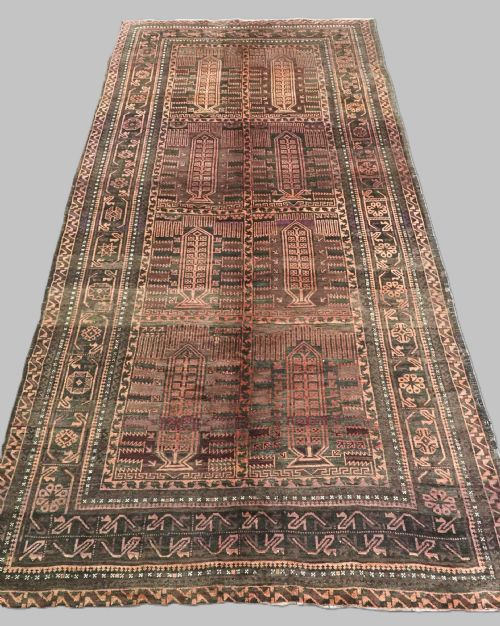
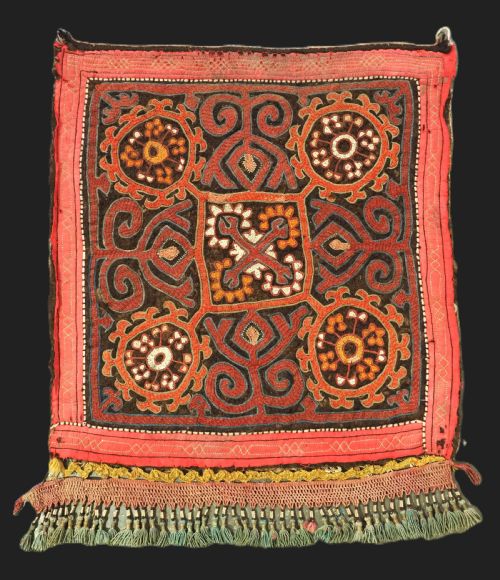
The selections available here lean heavily into Turkmen tribal groups, Baluch nomadic weaves, and Kurdish village pieces. Common formats range from compact prayer rugs and torba face pieces to substantial main carpets and yurt rugs woven in strips.
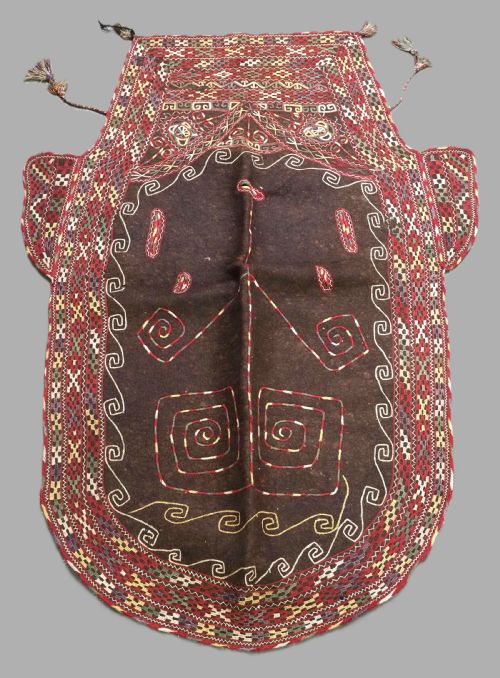
Makers utilised traditional formats suited for nomadic life or village settings, producing formats like area rugs, long rugs, and ceremonial felt horse blankets. Each item reflects the distinct visual vocabulary of its specific tribal origin.
How they were made
Weavers constructed these textiles primarily using wool, hand-spun wool, and felted wool, occasionally incorporating cotton foundations and goat hair. Natural dyes yielded the characteristic red and brown earth tones seen across the pieces.
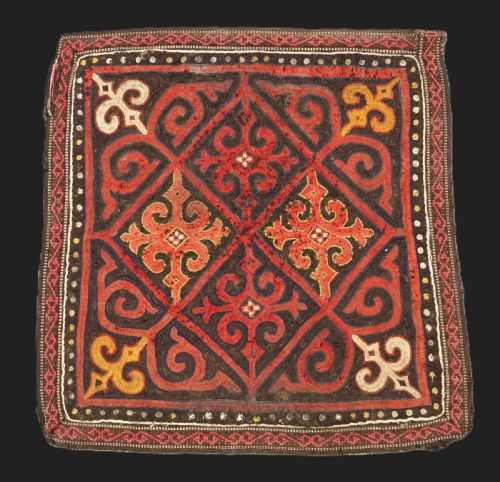
Techniques varied from intricate pile knotting on carpets and prayer rugs to flatweave bandings, embroidery on felt panels, and structural elements like kilim ends. Certain nomadic yurt rugs were constructed by weaving separate narrow strips and joining them together.
The selection includes Yomut, Ersari, and Tekke Turkmen tribal rugs alongside Baluch and Kurdish village formats.
What varies in quality
Quality rests on the fineness of the knotting or the tightness of the felt and flatweave structure, alongside the clarity and complexity of traditional design motifs such as guls, mihrabs, and lattice patterns. Earlier nineteenth-century examples often demonstrate superior handling of natural dye palettes.
The integrity of the wool, the retention of original kilim ends, and the precision of geometric or pictorial layouts distinguish finer tribal artefacts from standard village production. Preserved structural elements elevate the standing of a textile within its specific tribal group.
The Red Brown Rug Glossary
- Gul
- A medallion motif commonly found in Turkmen tribal rugs. These repeating octagonal patterns identify specific tribal groups and clans.
- Torba
- A small storage bag or trapan face produced by nomadic tribes. These pieces were utilised inside tents for household organisation.
- Mihrab
- An arch-shaped design element representing a prayer niche. This motif is central to Islamic prayer rugs from village and tribal origins.
- Kilim
- A flatweave textile produced without pile. These sections often appear at the ends of knotted pile rugs for structural reinforcement.
- Mafrash
- A rectangular storage sack used for bedding and household goods during nomadic migrations. They frequently feature banded flatweave designs.
Red Brown Rug: Frequently Asked Questions
How were these rugs used originally?
Nomadic and village communities utilised these textiles as floor coverings, tent decorations, and functional storage containers for bedding and provisions. Many pieces served ceremonial roles or acted as specific prayer mats within daily domestic life.
Larger carpets anchored the main living spaces of yurts and village homes, while smaller torbas and mafrash sacks hung along tent walls to store household possessions.
How do I care for a vintage wool rug?
Gentle vacuuming without a rotating brush helps remove embedded dust from the wool pile without damaging the foundational weave. Professional textile cleaning is recommended for deep maintenance to protect natural dyes and fragile fibres.
Keep these rugs away from direct, prolonged sunlight to prevent fading of the rich red and brown tones. Using a breathable underlay protects the wool from friction against hard flooring.
How can I tell different tribal designs apart?
Tribal attribution relies on specific repeating motifs, colour saturation, and structural weaving techniques unique to each group. Turkmen rugs frequently display distinct gul medallions, while Baluch pieces often incorporate prayer arches and shrub patterns.
Examining the edge finishes, side cord bindings, and wool preparation offers further clues to the specific region or nomadic confederation responsible for the weave.
Are these rugs suitable for high traffic areas?
Sturdily constructed pile carpets and wool runners handle moderate residential foot traffic well due to the resilience of hand-spun wool. Lighter prayer rugs, delicate torba faces, and felt panels are better suited for low-traffic placement or wall display.
Assessing the density of the knotting and the current condition of the wool pile guides the appropriate placement within a modern home.