



Red Afghan Wool Rug
When choosing a red afghan wool rug, you select a piece of tribal heritage woven with rich natural dyes and durable fibres.
Red Afghan Wool Rug
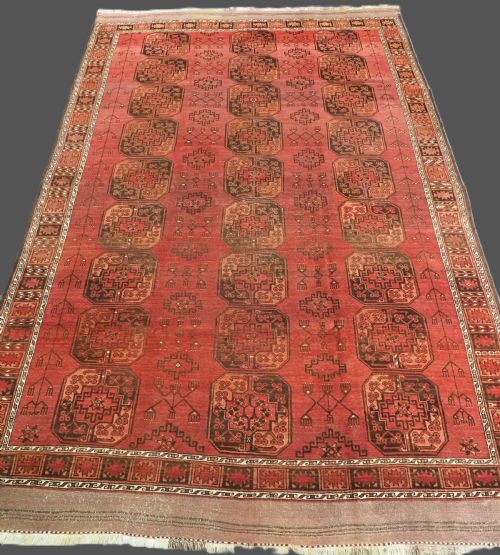
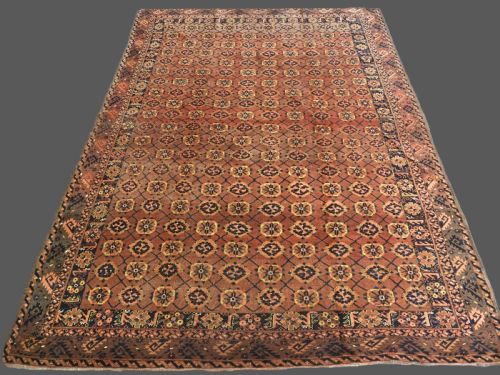
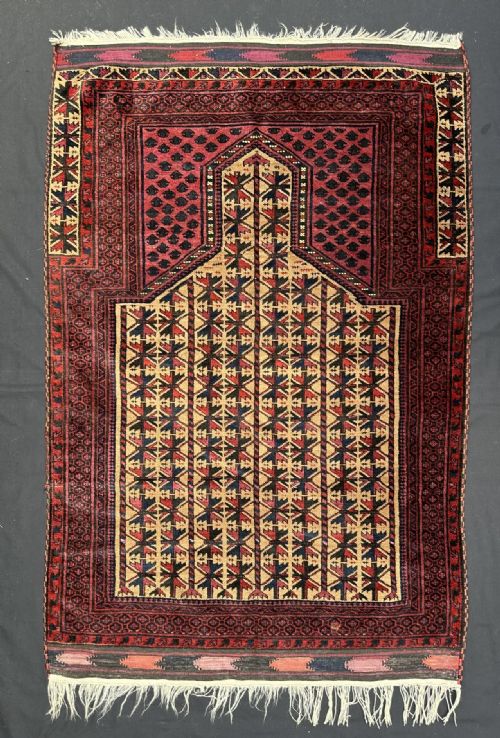
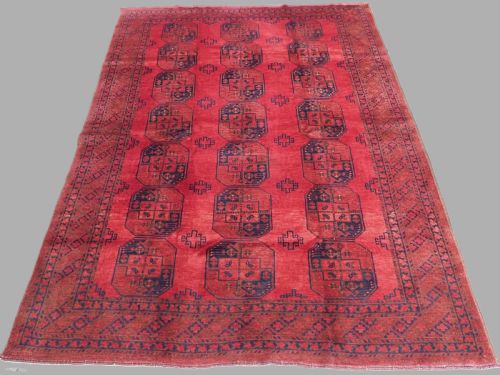
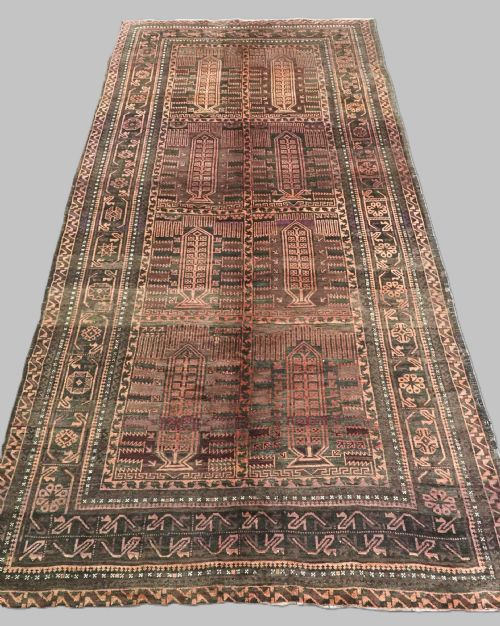
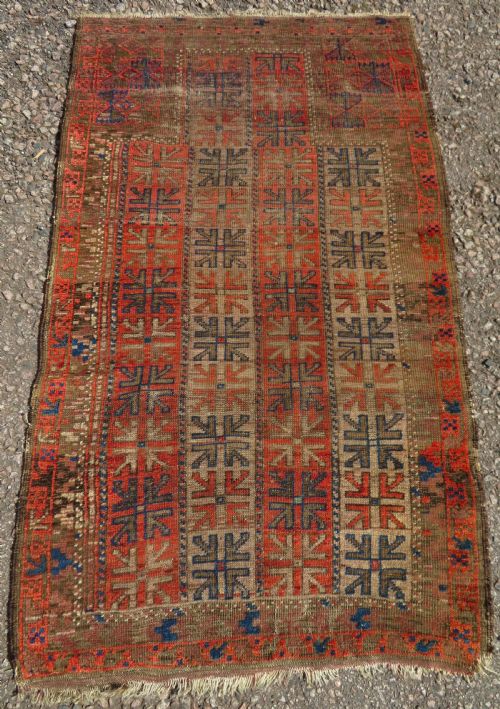
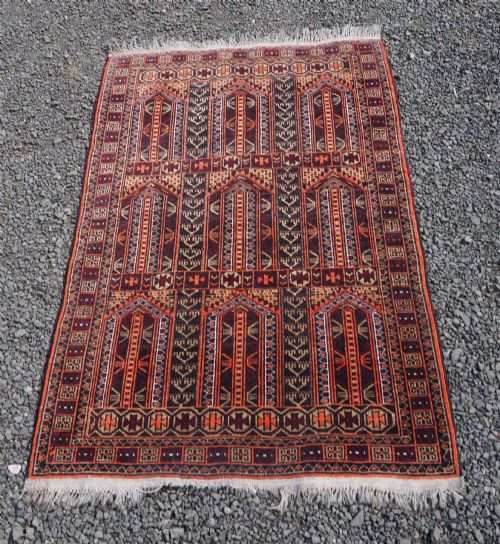
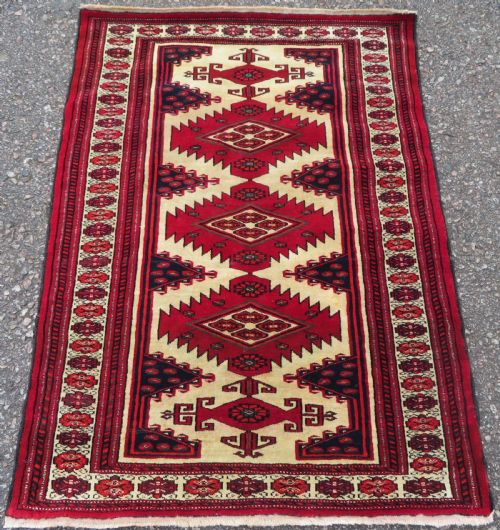
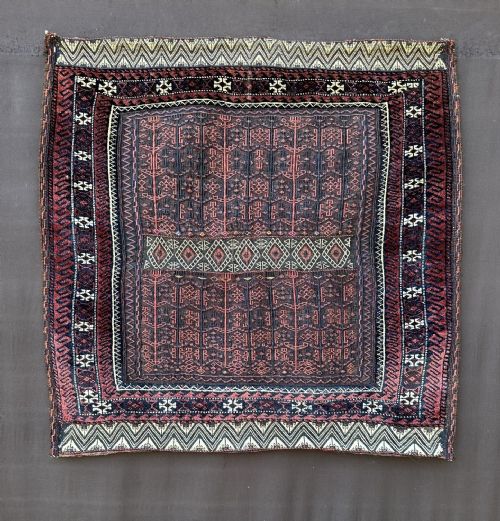
A red afghan wool rug represents tribal weaving traditions originating from villages and nomadic groups across the region. These textiles include room-sized carpets, long runners, prayer rugs featuring mihrab designs, and utilitarian items such as bread sofreh and storage bags.
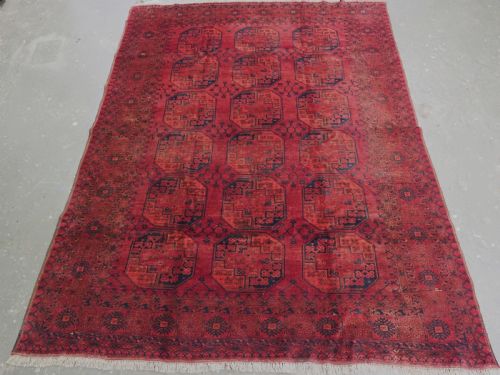
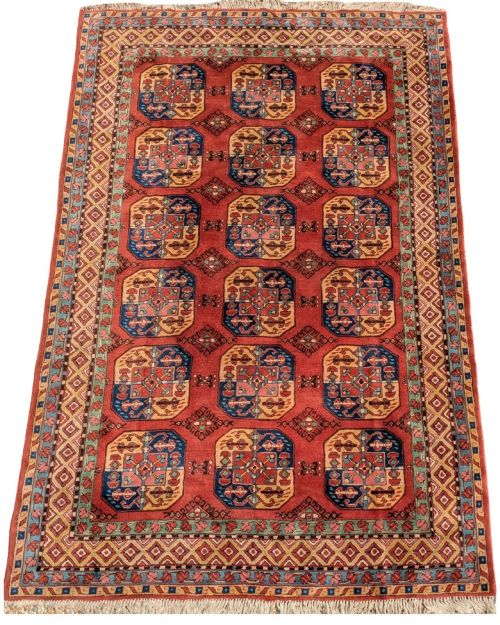
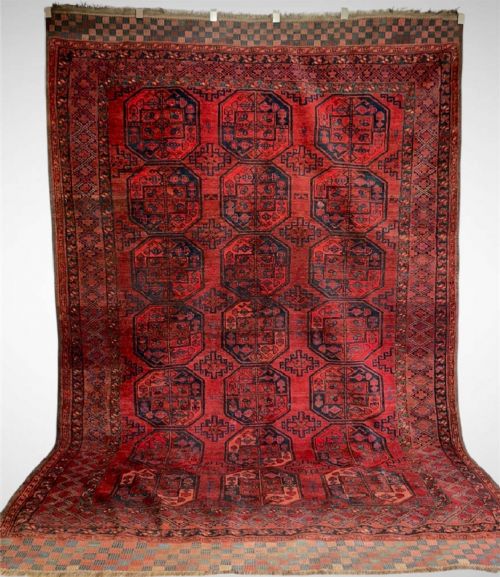
The inventory on this page most frequently presents village carpets and tribal rugs dating from the late nineteenth century through to the early decades of the twentieth century. Examples often display traditional motifs associated with Ersari, Baluch, Timuri, and Kizil Ayak makers.
Buyers encounter formats ranging from compact mats to large country house carpets. Many pieces exhibit warm red ground colours, complemented by geometric patterns, central guls, and kilim ends.
How they were made
Weavers constructed these textiles primarily using hand-spun wool for the pile, frequently incorporating natural dyes to achieve deep red colour variations. Foundations commonly rely on wool or cotton warps and wefts, occasionally utilising goat hair or horsehair for structural resilience.
The production involved manual hand-knotting and flatweaving techniques passed down through generations of tribal artisans. Skilled makers combined durable animal fibres with resilient dye sources to withstand everyday domestic use.
Peacocks and assorted animals occasionally wander across the geometric fields of nineteenth-century village carpets.
What varies in quality
The standard of a piece depends on the fineness of the knotting and the precision of the geometric design work. Tighter knots and balanced compositions distinguish superior examples from simpler village work.
Material selection also influences overall quality, particularly the purity of the hand-spun wool and the complexity of the natural dye palette. Well-preserved foundations and intact borders indicate careful historical use and superior craftsmanship.
The Red Afghan Wool Rug Glossary
- Gul
- A medallion or repeating octagonal motif used extensively in Turkmen and Afghan tribal carpets. These patterns identify specific tribal groups and weaving traditions.
- Sofreh
- A utilitarian cloth used for eating, kneading dough, or serving meals. Examples often display flatweave construction or specialised tribal patterns.
- Kelim
- A flatwoven textile without a knotted pile, frequently used for rug ends or standalone coverings. This technique produces a lighter, reversible fabric.
- Warp
- The vertical threads stretched tightly on a loom before weaving begins. The pile knots are tied around these foundational elements.
Red Afghan Wool Rug: Frequently Asked Questions
How do I clean a wool rug?
Gentle surface brushing and regular vacuuming without a beater bar remove loose dust and grit from the pile. Professional specialist cleaning remains the safest method for addressing deep-seated dirt.
Water saturation and harsh chemical detergents risk damaging natural dyes and weakening wool fibres. Proper drying prevents shrinkage and preserves the structural integrity of the foundation.
Are these rugs suitable for high traffic?
Sturdy wool construction and dense hand-knotting provide natural resilience against heavy foot traffic in hallways and living spaces. Quality animal fibres withstand daily compression while maintaining their textural appearance.
Placing an appropriate underlay beneath the textile prevents slipping and reduces friction against hard flooring. This simple addition extends the working lifespan of vintage floor coverings.
What indicates a prayer rug format?
Prayer rugs feature distinctive architectural niches, known as mihrab arches, designed to direct the user during daily devotions. These smaller formats often incorporate repeating lanterns or rams horn motifs within the field.
Compact dimensions distinguish them from main room carpets or long runner formats. Makers tailored these specific compositions for personal and portable devotional use.
How do natural dyes age?
Natural dye sources develop softer, mellowed tones over decades of exposure to light and air. This gradual evolution creates a harmonious patina across the red wool pile.
Subtle colour variations within the field indicate the use of organic dye batches rather than synthetic chemicals. Such changes highlight the handmade origins of the textile.