


Red Cream Wool Carpet
These red cream wool carpet selections bring centuries of tribal and city weaving traditions into modern interiors.
Red Cream Wool Carpet
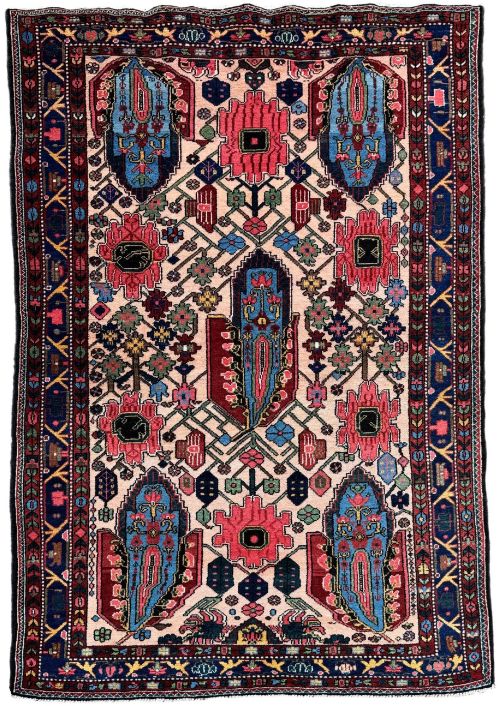
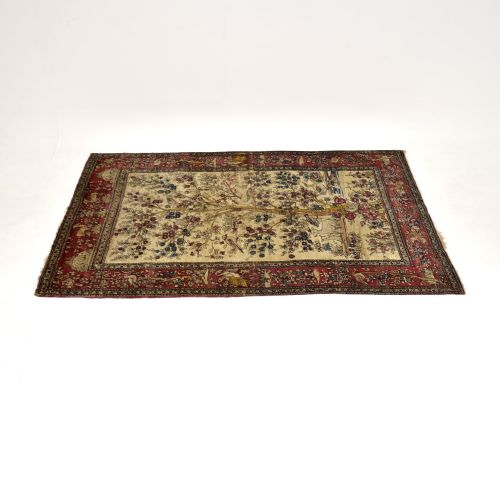
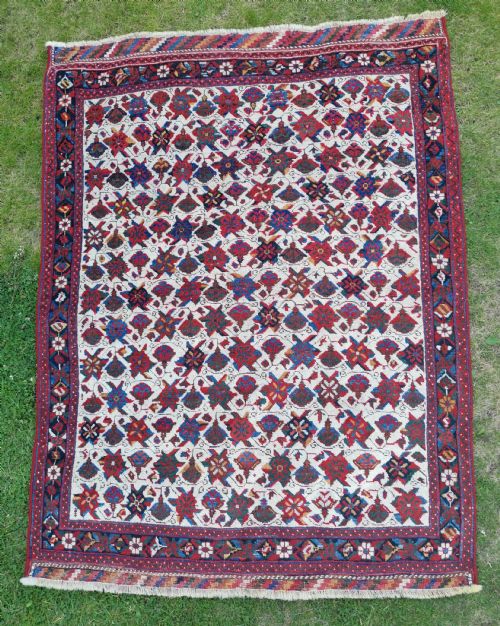
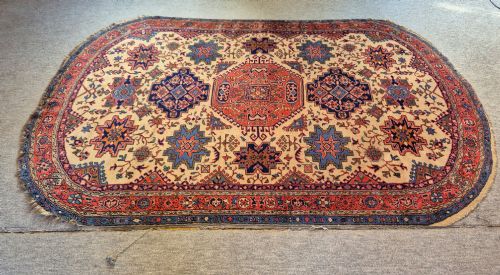
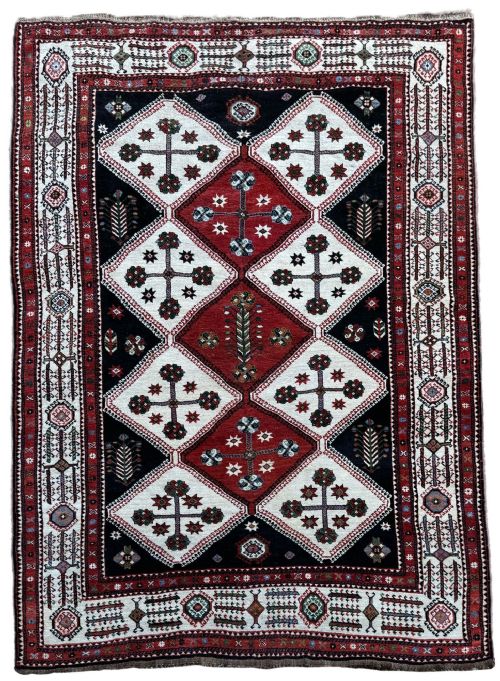
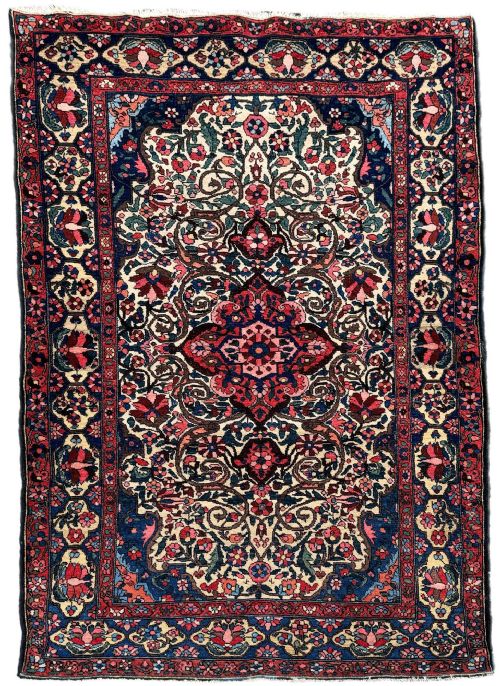
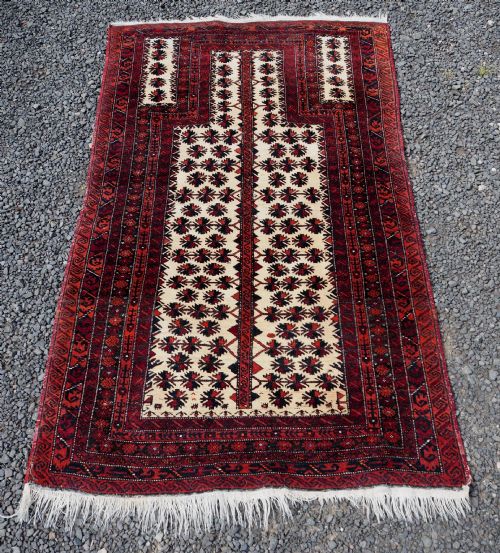
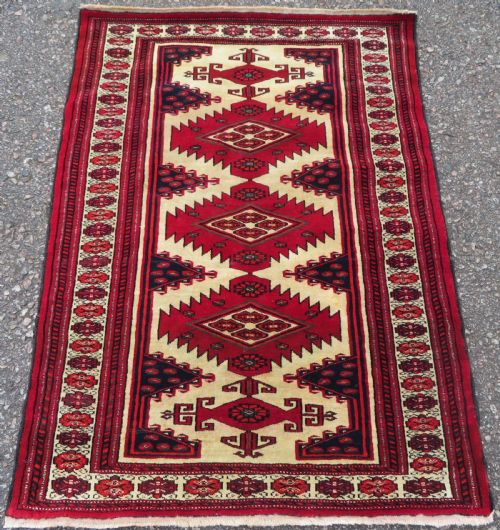
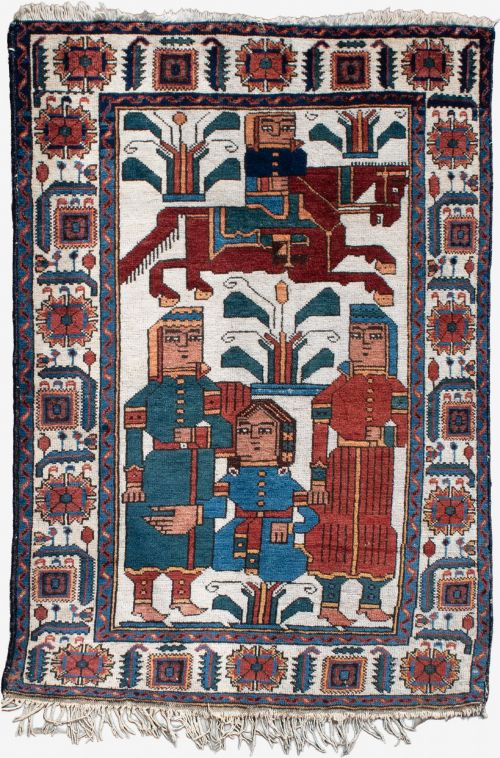
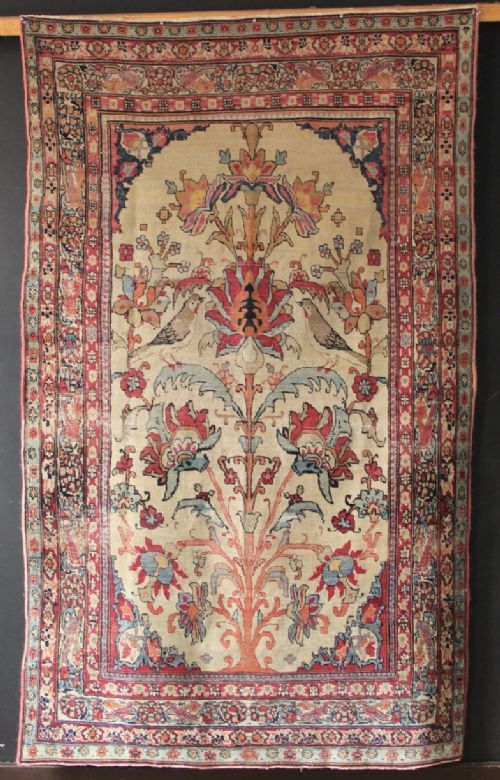
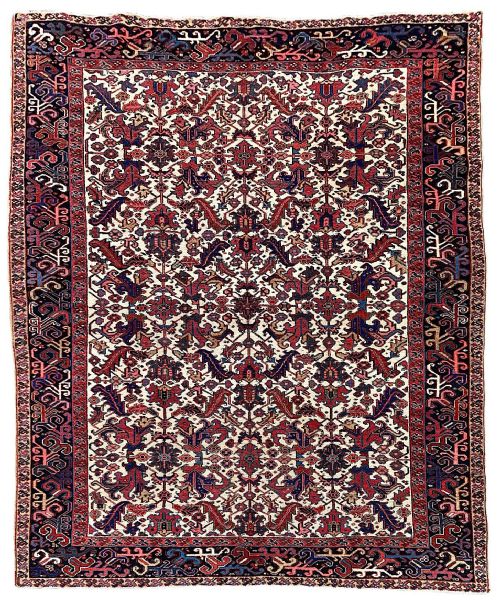
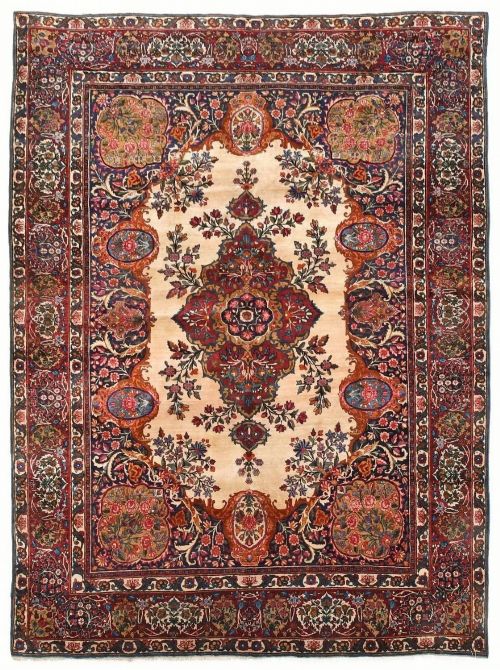
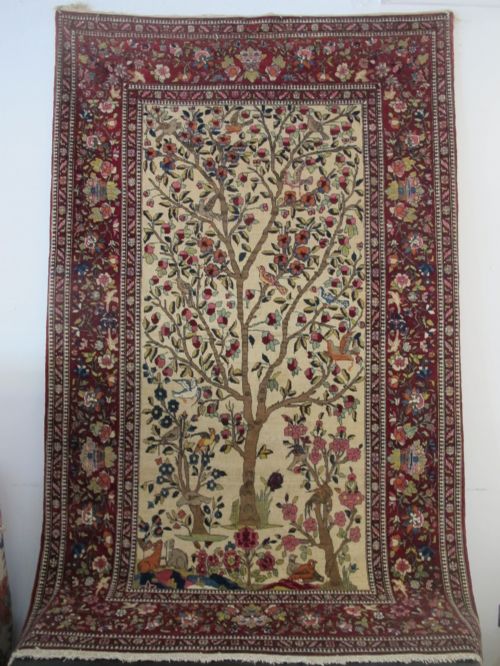
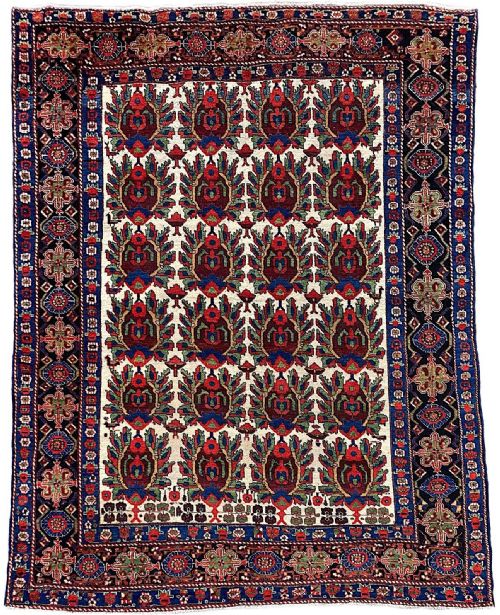
A red cream wool carpet gathers antique floor coverings originating from Persian, Anatolian, and Caucasian weaving centres dating from the nineteenth century through the early twentieth century. Buyers encounter formats ranging from small prayer rugs and mats to room-sized carpets and long runners.
The selection includes specific regional styles such as Heriz, Kirman, Bakhtiar, and Afshar, alongside village and tribal pieces. Most examples combine rich red grounds with softer cream or ivory details across traditional geometric and floral motifs.
Materials and construction methods
These floor coverings utilise natural wool, hand-spun wool, cotton foundations, and occasional silk highlights. Weavers tied pile knots onto warp and weft threads using traditional upright looms in village workshops and nomadic camps.
Natural dye stuffs provided the saturated red tones and neutral cream backgrounds seen across the pieces. The physical structure relies on tight knotting techniques that produced durable domestic textiles.
The listings span periods from the nineteenth century up to 1930, utilising wool, cotton, and silk materials.
Distinctions in quality
The standard of a woven carpet depends on the density of the knotting and the precision of the design execution. Finer pieces demonstrate greater dexterity in translating complex curvilinear or geometric patterns.
The choice of wool fibre and the clarity of the natural dyes influence the visual depth of the surface. Superior examples maintain structural integrity alongside balanced colour proportions across the field and border.
Ahmadi Isfahan
The Red Cream Wool Carpet Glossary
- Prayer rug
- A small format textile featuring a mihrab or niche design historically used for daily devotion. These pieces often employ distinct directional motifs.
- Kilim
- A flat-woven carpet produced without a raised pile. This technique creates a lighter textile utilised across various nomadic traditions.
- Warp
- The stationary longitudinal threads stretched onto a loom before weaving begins. Foundation threads provide the structural framework of the textile.
- Weft
- The horizontal threads passed through the warp to secure the knots in place. These structural elements determine the firmness of the weave.
- Mihrab
- The arched design element on a prayer rug representing the direction of Mecca. This architectural motif guides the visual composition of the piece.
Red Cream Wool Carpet: Frequently Asked Questions
How do I clean an antique rug?
Gentle surface brushing and professional specialist washing preserve the natural fibres without disrupting the vintage foundation. Regular care prevents dust accumulation within the wool pile.
Avoid harsh chemical treatments or immersion washing unless handled by an experienced textile conservator. Proper maintenance safeguards the historic dyes and structural integrity.
Where were these carpets made?
The pieces originate across Persia, Turkey, and the Caucasus, spanning distinct tribal territories and major weaving cities. Each region developed specific palettes and structural characteristics.
Nomadic groups worked on portable looms while urban workshops produced formal room-sized carpets. These geographical origins dictate the stylistic variations found in the collection.
Can I place these carpets in high traffic areas?
Wool and cotton textiles tolerate normal domestic footfall provided they receive appropriate support underneath. Using a quality underlay prevents slipping and cushions the foundation threads.
Heavily used hallways benefit from durable runners while delicate prayer formats suit quieter spaces. Proper placement distributes wear evenly across the surface over time.
How are different regional styles identified?
Distinct border patterns, medallion structures, and palette choices reveal the specific provenance of a woven textile. Persian Heriz pieces display bold geometric medallions, whereas Kirman carpets favour elaborate floral compositions.
Tribal examples often incorporate abrash colour shifts and spontaneous nomadic symbols. Comparing knot counts and material types further clarifies the origin.