
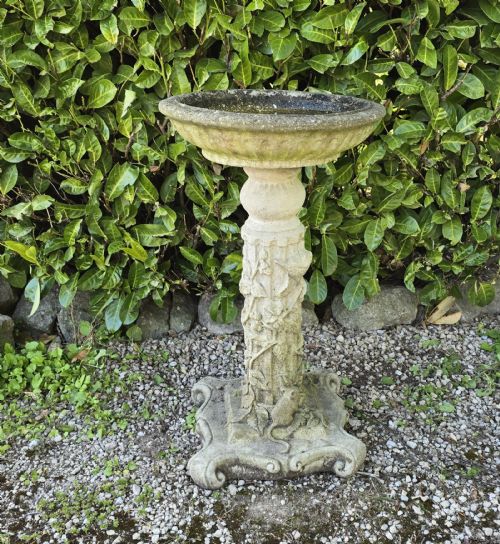


Reconstituted Stone Statue
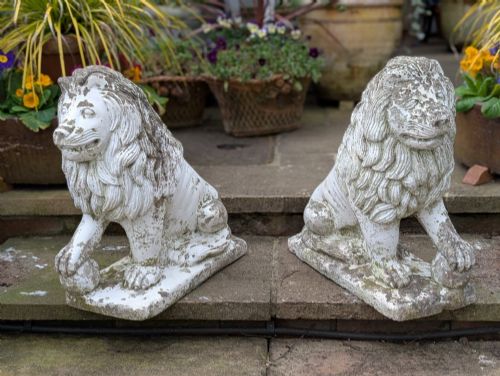
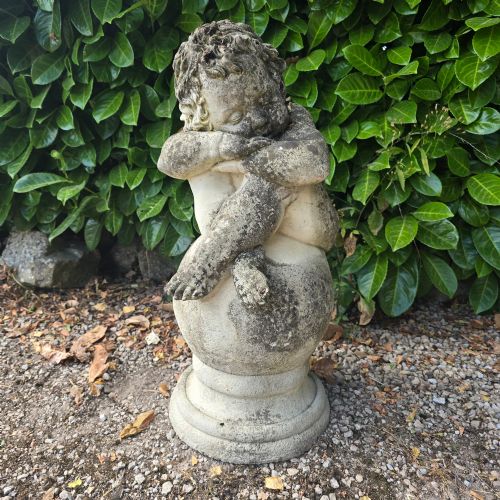
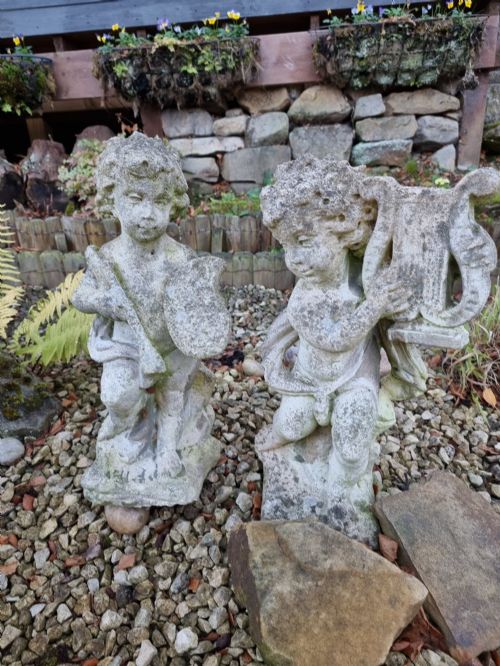
Reconstituted stone statue pieces bring timeless classical form to the garden through durable bonded aggregate, offering lasting architectural presence.
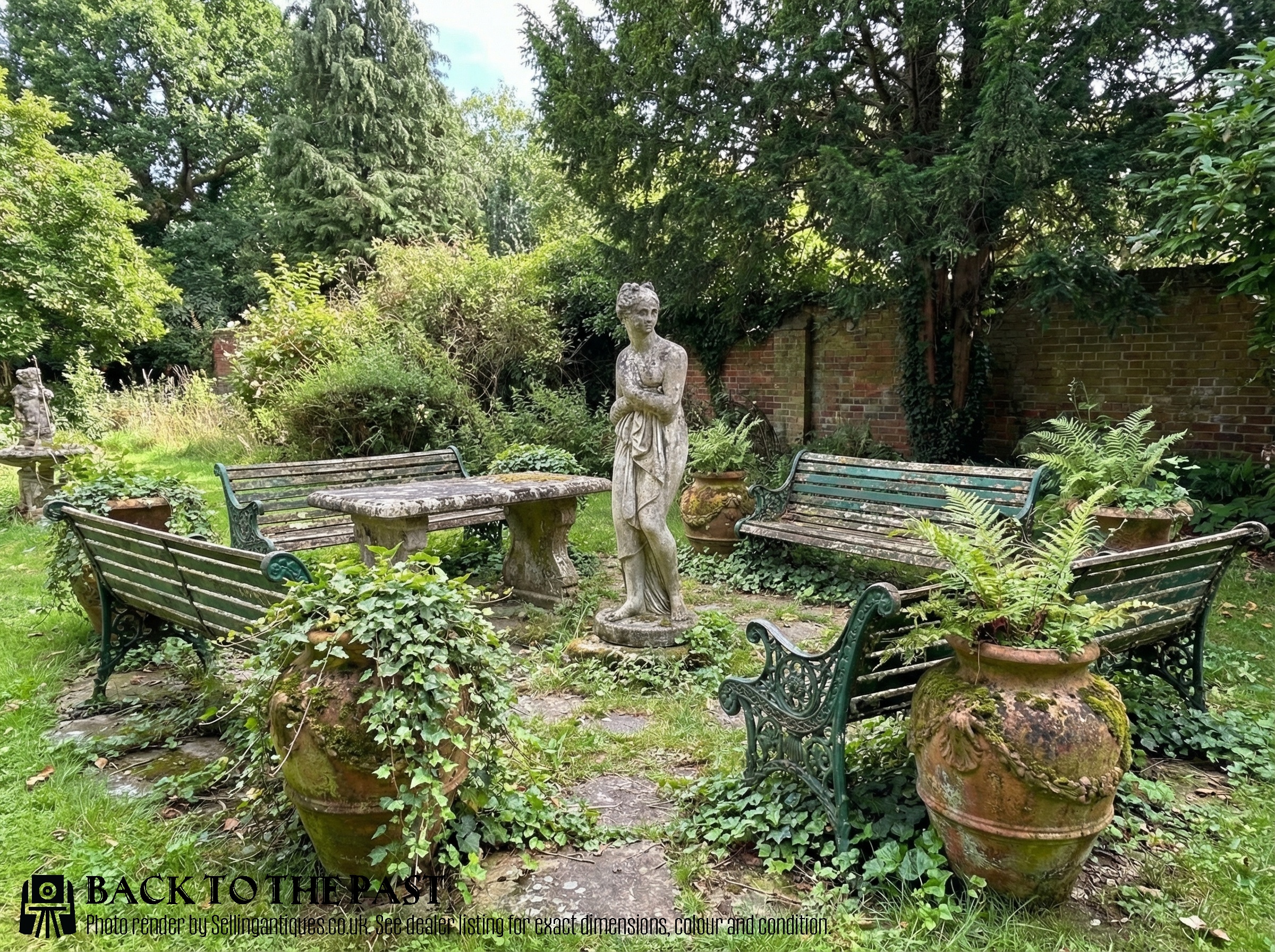
Identifying Your Reconstituted Stone Statue
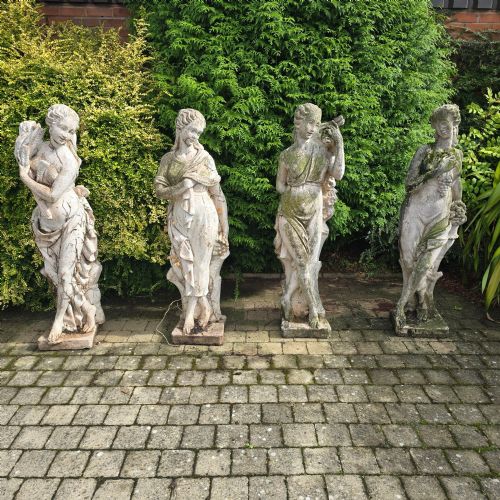
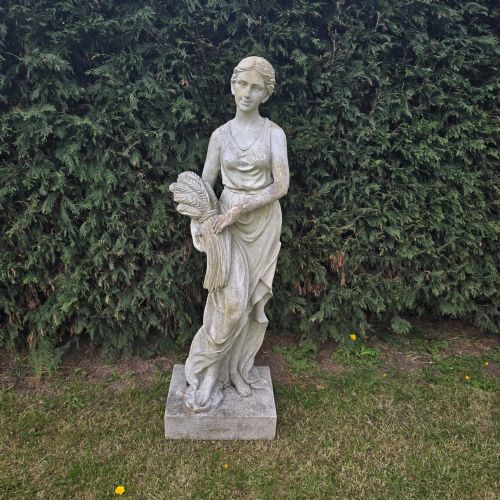
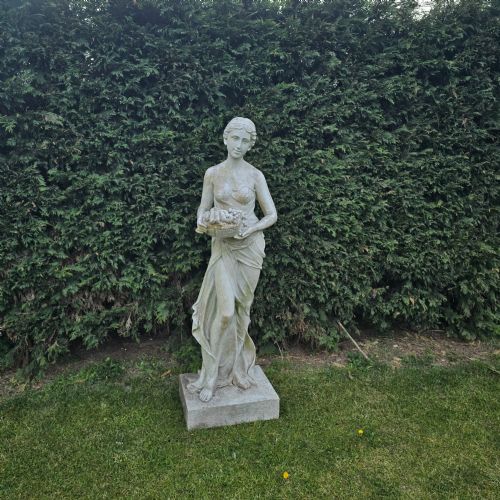
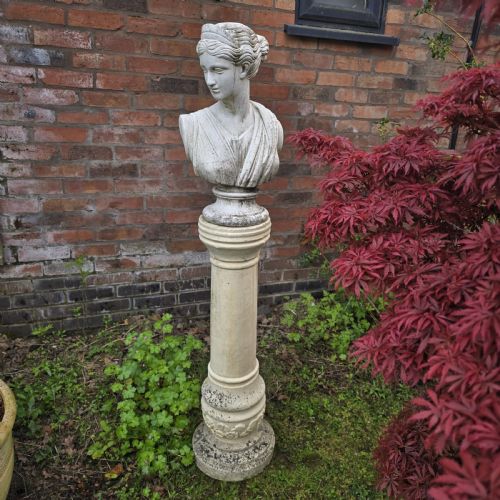
A reconstituted stone statue represents classical and neoclassical garden ornament, drawing upon ancient motifs and revival styles. When buyers search for a reconstituted stone statue, they encounter large garden figures, classical ladies, and mythological busts designed for outdoor display.
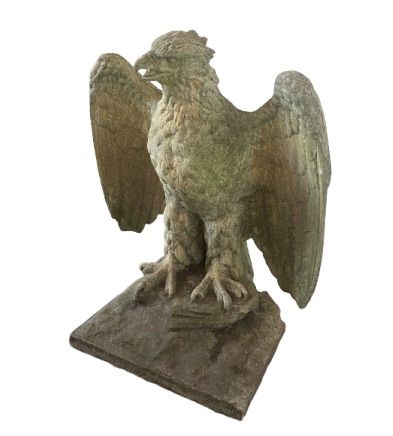
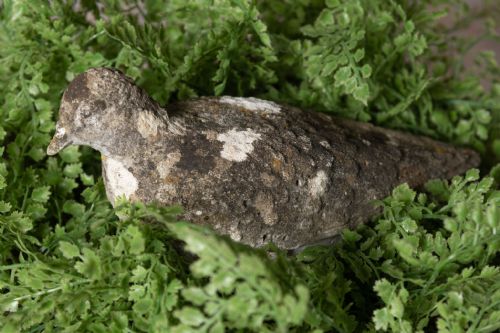
The pieces on this page span several decades, notably the nineteenth and twentieth centuries, featuring traditional forms such as Venus de Milo, figures of Autumn, and monumental eagles. Makers employed classical revival designs to create substantial garden statuary intended to weather naturally in the open air.
Forms range from life-sized and super life-sized figures mounted on plinths to detailed busts. These items serve as architectural focal points within garden conservatories and formal landscapes, anchoring the outdoor space with established historical styles.
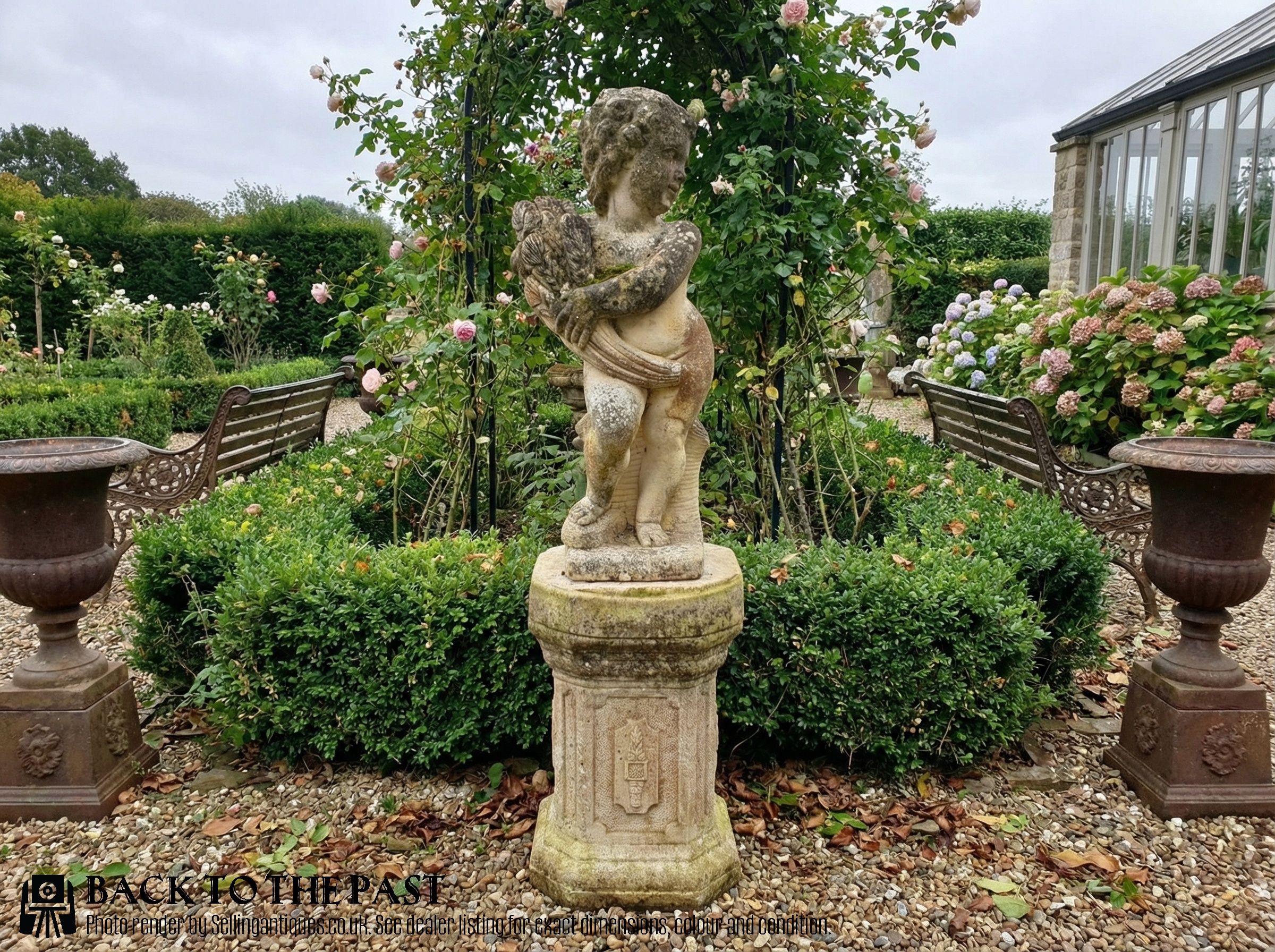
Assessing Quality and Execution
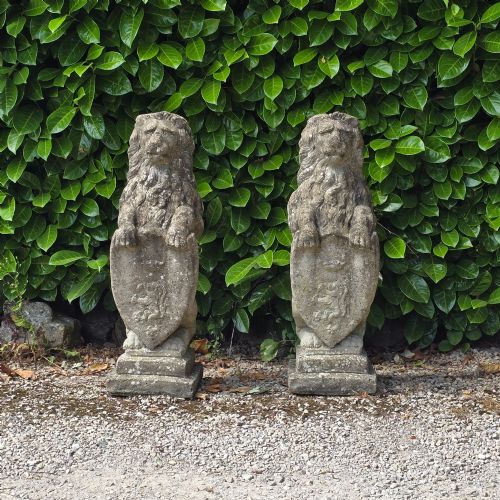
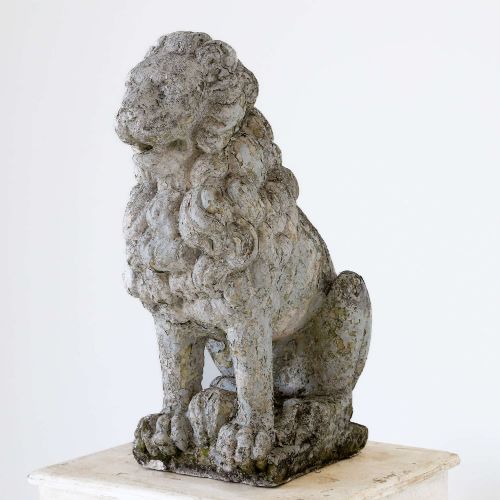
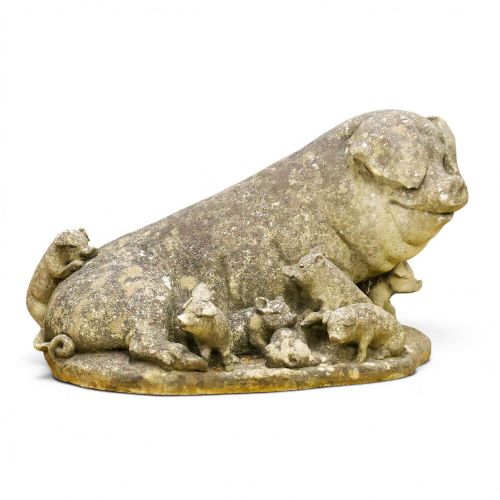
Patination and weathering dictate the visual depth of the piece. Natural lichen growth and atmospheric weathering over decades impart an authentic age that machine-cast uniformity cannot replicate.
Retail Price Guide 2026
Typical UK retail prices for reconstituted stone statue, calculated from the Sellingantiques database of over a million retail prices indexed since 2003. This retail price guide relies exclusively on Sellingantiques data; no external sources or auction records are used, so the figures do not describe the wider market.
The documented production dates span from the late nineteenth century through to the nineteen-fifties.
The Reconstituted Stone Statue Glossary
- Reconstituted stone
- A composite building material made from crushed stone or aggregate mixed with a binder. It is cast in moulds to imitate natural quarried stone.
- Neoclassical
- A style revived in the eighteenth and nineteenth centuries that draws inspiration from classical antiquity. It prioritises symmetry, proportion, and mythological subjects.
- Plinth
- A heavy base or pedestal upon which a statue or bust is elevated. It provides structural stability and architectural presence.
- Composition stone
- An alternative term for cast or reconstituted stone used by period manufacturers. It denotes a durable manufactured aggregate material.
Frequently Asked Questions
How do I clean a garden statue?
Gentle washing with water and a soft brush preserves the surface crust and accumulated patination. Avoid harsh pressure washers that strip away the outer skin of the cast stone.
Allow natural weathering processes to continue undisturbed after cleaning. Lichens and moss enhance the historic appearance of composition stone over time.
Can these statues stay outside in winter?
Reconstituted stone handles outdoor exposure well, having been manufactured specifically for garden environments. The dense aggregate resists normal seasonal temperature fluctuations.
Ensure figures mounted on plinths drain properly to prevent moisture accumulation during freezing weather.
How do I date an older stone figure?
Dating relies on surface patination, tool marks, and stylistic indicators from periods like the nineteenth or mid-twentieth century. Archive examples show consistent manufacturing traits across these decades.
Examine the aggregate texture and mounting points for clues regarding the period of manufacture.
Are these figures solid stone throughout?
Cast and composition stone pieces consist of aggregate and binder mixtures moulded into solid or semi-hollow forms. They possess substantial weight comparable to quarried rock.
Specialist equipment or multiple handlers are necessary when siting life-sized figures and plinths.