


Queen Anne Walnut Wall Mirror
These queen anne walnut wall mirror pieces bring rich figured grain and subdued proportions to a room, offering genuine period character or later revival craftsmanship.
Queen Anne Walnut Wall Mirror
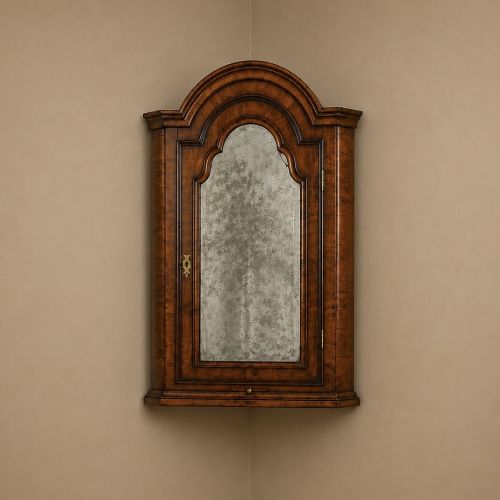
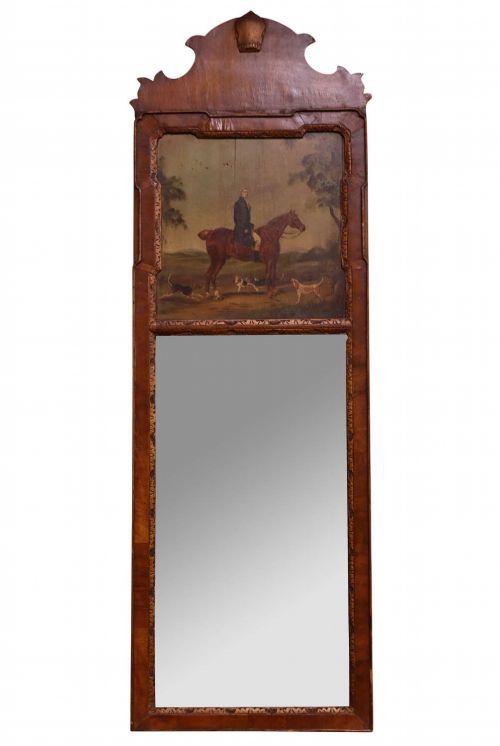
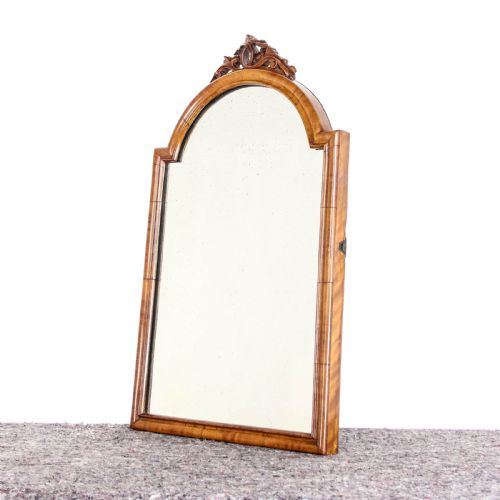
A queen anne walnut wall mirror displays the restrained lines and figured timber typical of early eighteenth century design, alongside numerous revival interpretations produced in later decades. The form spans simpler wall hanging formats, taller pier mirrors, and related hanging corner cupboards incorporating glass panels.
Most examples encountered on this page originate from the eighteenth century or belong to later revival periods spanning the nineteenth and twentieth centuries. Buyers frequently select these mirrors for their compact vertical proportions and warm timber tones which suit traditional and modern interiors alike.
How they were made
Cabinetmakers constructed these frames using solid walnut and figured veneers laid over secondary timbers to create patterned surfaces. Burr walnut variations utilise highly figured timber sections for striking visual depth across the frame.
Giltwood, parcel gilt accents, and gold leaf additions highlight carved mouldings or provide contrast against the dark timber ground. Mirror glass and brass fittings complete the construction, reflecting the materials recorded across the inventory.
The inventory includes wall mirrors alongside pier mirrors, overmantel mirrors, and hanging corner cupboards.
What varies in quality
The quality of a queen anne walnut wall mirror depends upon the depth of figure in the timber veneers and the crispness of any carved or gilt detailing. Finer examples show careful bookmatching of burr walnut grain and harmonious proportions.
Subtleties in edge moulding profiles and the integration of parcel gilt elements distinguish higher grade workmanship from standard production. Age and originality of components further separate standard revival pieces from eighteenth century originals.
The Queen Anne Walnut Wall Mirror Glossary
- Burr walnut
- Timber taken from walnut tree growths that produces intricate, swirling grain patterns. Cabinetmakers prize this material for decorative veneer panels.
- Parcel gilt
- Partial gilding applied to specific carved details or mouldings on a wooden frame. This technique adds subtle highlights against the dark walnut background.
- Pier mirror
- A tall, narrow mirror designed to hang on the wall between windows. These pieces often feature companion console tables or painted panels.
- Queen Anne Revival
- A design movement popular in the twentieth century that reinterprets eighteenth century forms. These pieces emulate earlier proportions and timber choices.
- Overmantel mirror
- A wide mirror intended for placement above a fireplace mantel. These items frequently incorporate triple glass sections or gilt frames.
Queen Anne Walnut Wall Mirror: Frequently Asked Questions
How do I date a walnut mirror?
Dating relies upon examining construction methods, secondary timbers, and the characteristics of the mirror glass itself. Eighteenth century examples show distinct cabinetmaking techniques compared to twentieth century revival pieces.
Subtle variations in moulding profiles and the presence of original fixings help establish the manufacturing period with greater accuracy.
Where should I hang a pier mirror?
Pier mirrors suit narrow wall spaces, hallways, or areas between windows where vertical emphasis works best. Their tall proportions make them ideal for creating height in a room.
Ensure the wall structure can support the weight of the timber frame and glass before installation.
How do I care for giltwood frames?
Giltwood and gold leaf surfaces require gentle dusting with a soft, dry brush to avoid damaging the delicate metallic finish. Avoid using liquid cleaners or abrasive cloths entirely.
Keeping the mirror away from direct sunlight and damp environments preserves both the wood and the gilding.