
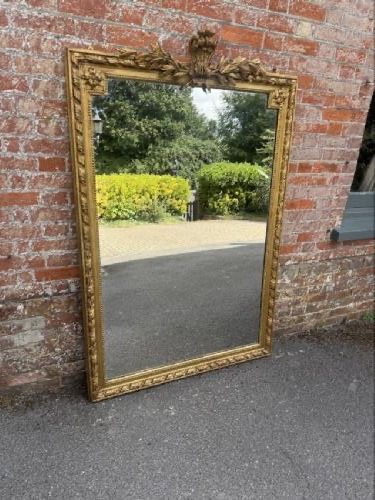
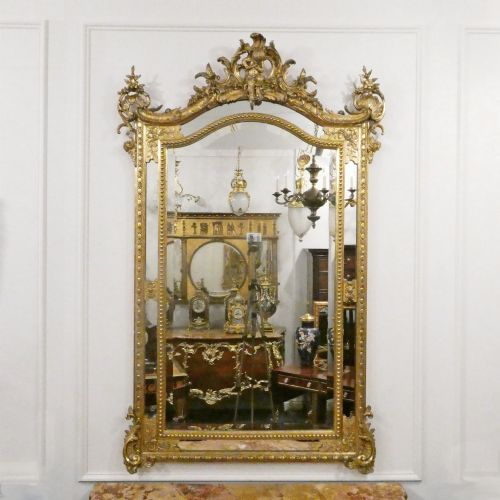
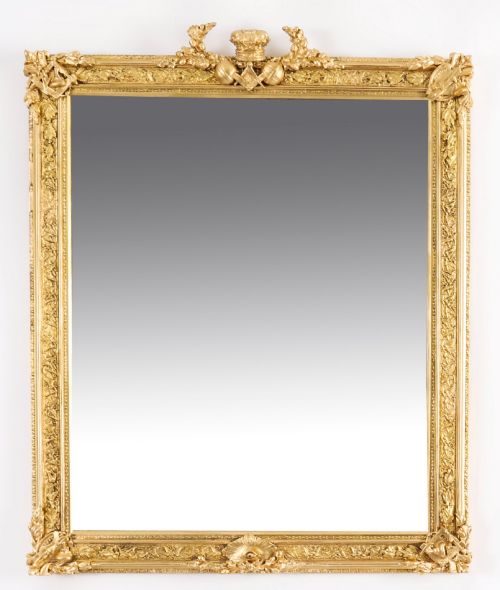
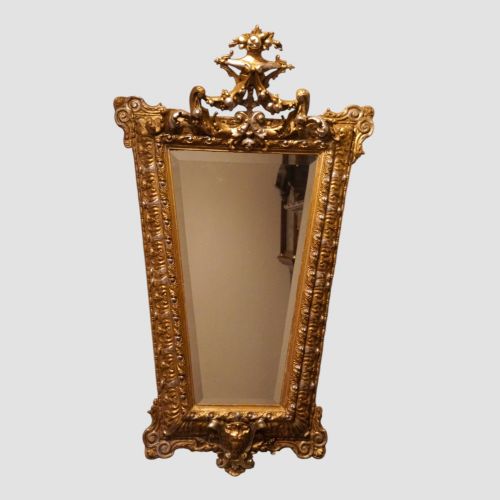
Carved Giltwood Cresting Mirror
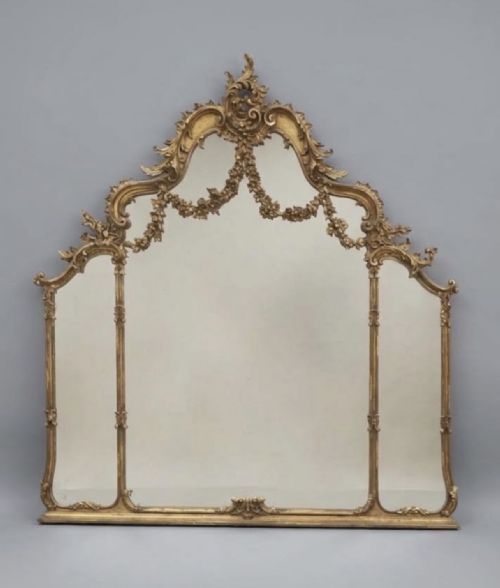
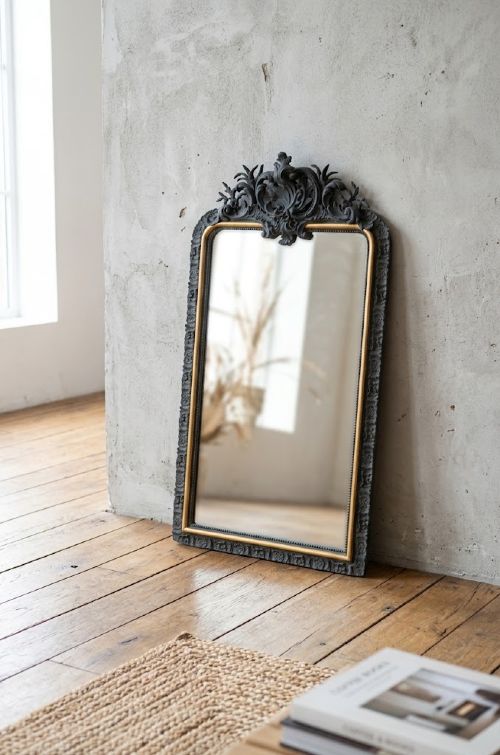
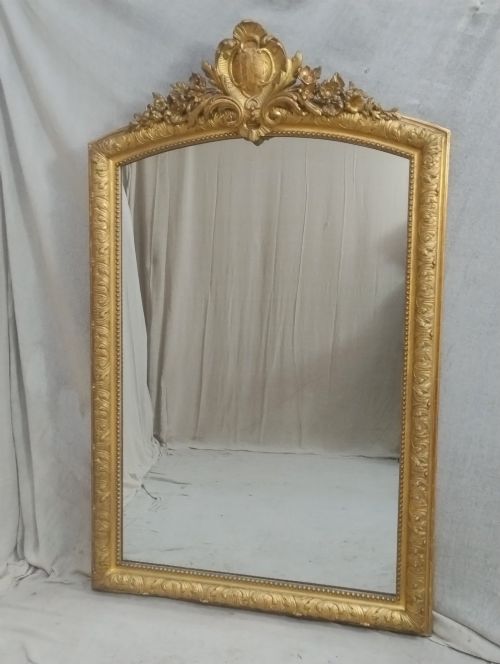
A carved giltwood cresting mirror brings a commanding presence to a room, catching the light through ornate wooden frames and distinguished crests.
Carved Giltwood Cresting Mirror
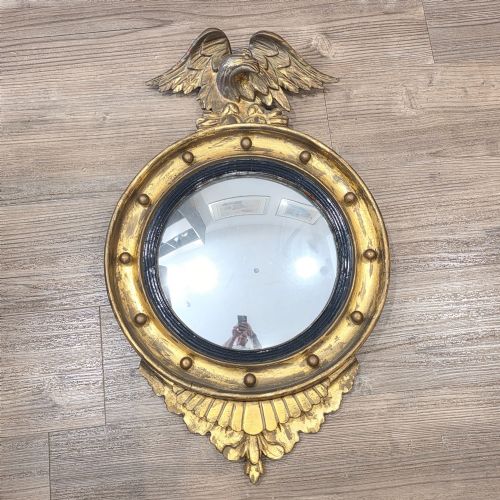
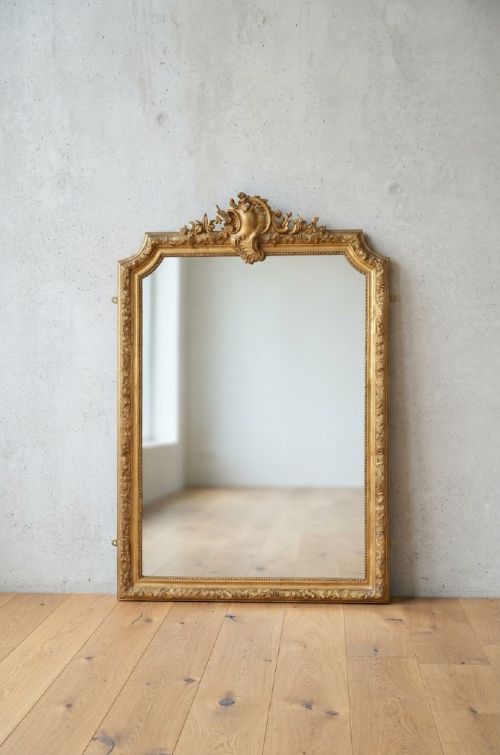
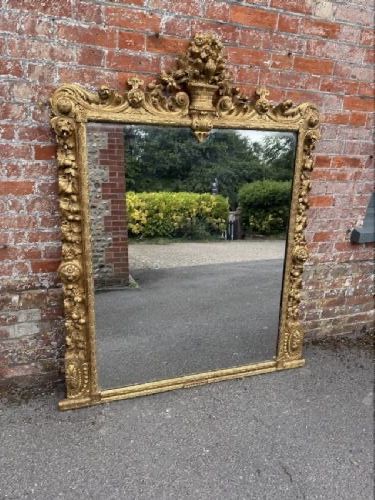
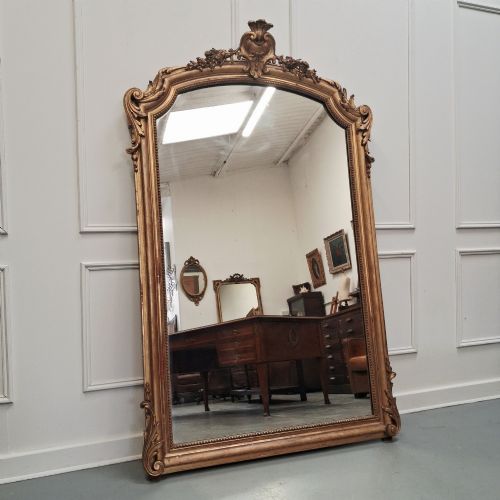
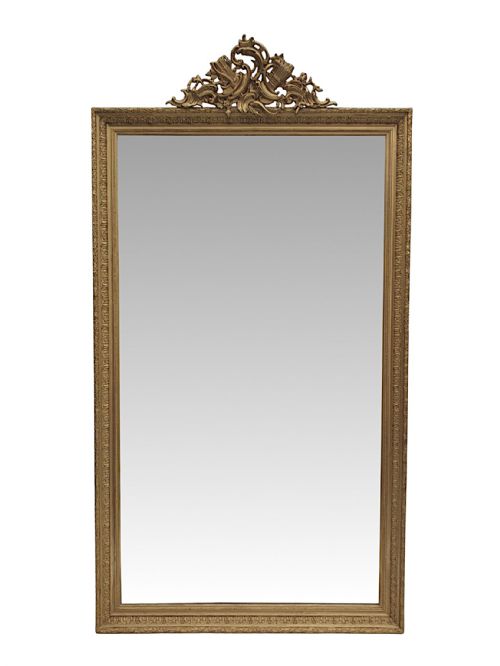
A carved giltwood cresting mirror sits firmly within a tradition of grand wall furnishings, appearing in forms such as overmantels, convex circular glasses, and tall pier mirrors. Buyers searching for a carved giltwood cresting mirror encounter pieces spanning the eighteenth, nineteenth, and early twentieth centuries, with Victorian and Regency examples frequently represented.
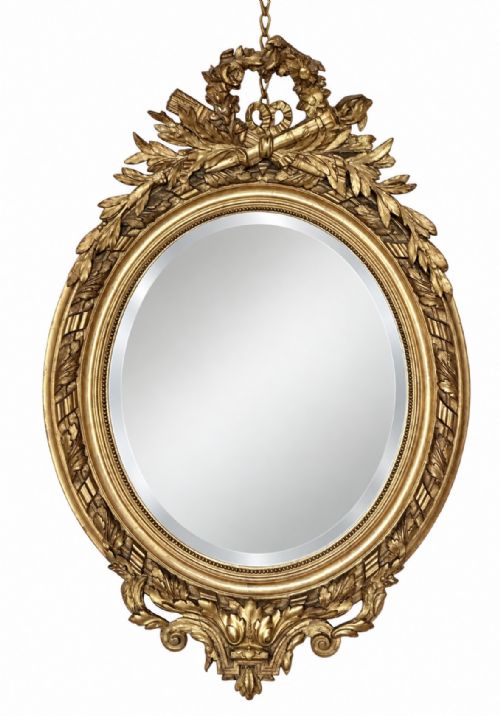
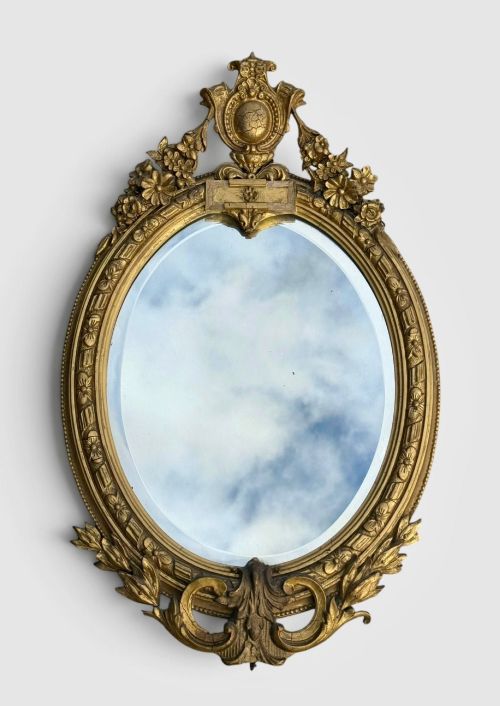
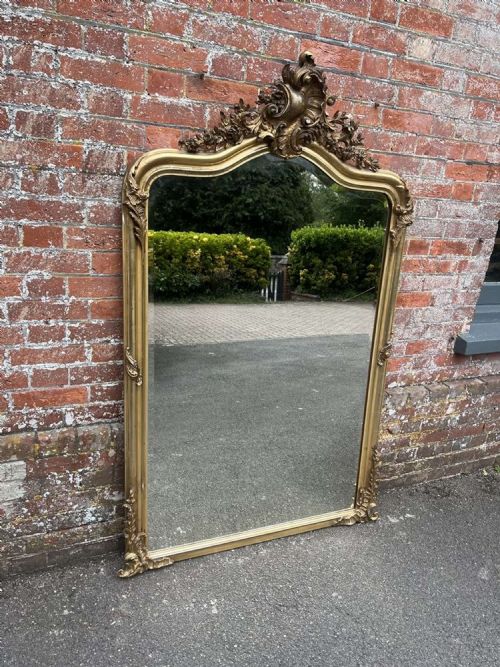
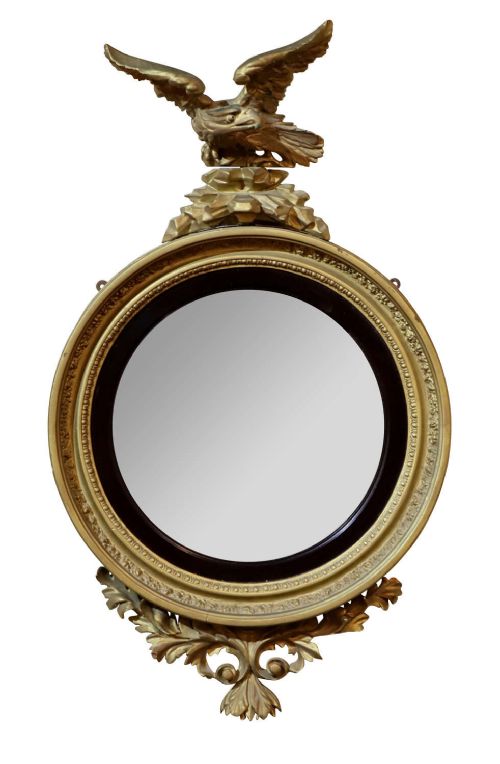
The objects take diverse shapes, including rectangular overmantels, tall arched formats, and convex glasses topped by carved eagles or elaborate cresting details. French Chateau, Rococo Revival, and Louis XVI styles dominate the aesthetic, bringing sculpted frames and decorative masking to wall settings.
Materials and construction methods
Frames rely on carved wood and moulded gesso applied to timber bases, providing the structural depth necessary for intricate scrollwork and crests. Artisans coated these prepared surfaces in gold leaf or silver-gilt, creating the luminous metallic finish characteristic of the period.
Mirror plates include original silvered glass, mercury plate, and bevelled glass secured within ebonised or gilded surrounds. The combination of gesso relief work and hand-applied gilding gives each frame its distinct tactile quality.
Distinctions in execution and preservation
The refinement of the hand-carved wooden elements and the crispness of the gesso moulding separate standard decorative items from superior examples. Finely articulated crests, such as spread eagles or detailed foliate scrolls, demonstrate a higher degree of artisan skill.
The condition and survival of the original gilding and mirror plates heavily influence the integrity of a piece. Original mercury plates and undisturbed gold leaf retain an authentic visual depth that later replacements lack.
The Carved Giltwood Cresting Mirror Glossary
- Giltwood
- Wood that has been coated with gold leaf or gold powder over a prepared base. This finish provides a warm metallic sheen that ages with a distinctive patina.
- Gesso
- A plaster-like mixture applied to wood frames to create a smooth surface for carving and gilding. It allows for sharp relief details and intricate moulded ornamentation.
- Overmantel mirror
- A large mirror designed specifically to hang above a fireplace mantel. These pieces often feature wide proportions to match the width of the hearth below.
- Convex mirror
- A round mirror with a bulging spherical glass surface that reflects a wide panoramic view of the room. They frequently feature eagle surmounts and candle arms.
- Pier mirror
- A tall, narrow mirror designed to hang on the wall space between two windows. They often incorporate painted panels or specific architectural proportions.
Carved Giltwood Cresting Mirror: Frequently Asked Questions
How do I hang a heavy overmantel mirror safely?
Large overmantel mirrors require robust wall fixings secured directly into masonry or heavy timber studs. Professional installation is strongly recommended due to the substantial combined weight of the wood, gesso, and glass.
Weight distribution should be carefully calculated using appropriate mirror brackets and heavy-duty wire or chain rated well beyond the mass of the frame.
What is the difference between gesso and carved wood?
Carved wood involves shaping the actual timber frame using chisels and gouges to form the structural design. Gesso is a chalk and binder mixture applied over the wood base to build up fine decorative details and relief motifs.
Many antique frames combine both techniques, using a carved wooden carcass enriched with moulded gesso ornamentation before gilding.
How should I clean antique giltwood frames?
Dust giltwood frames gently with a soft, dry ostrich feather duster or a very soft dry brush. Avoid applying water, commercial cleaning sprays, or abrasive cloths, as moisture and friction easily damage delicate gold leaf and gesso.
Professional conservation is required if the surface accumulates stubborn grime or if the gilding begins to flake away from the substrate.
Are mercury mirror plates different from modern glass?
Mercury plates were produced using a tin-mercury amalgam backing before modern silvering processes were invented. They often exhibit characteristic dark specking, soft reflections, and subtle distortions.
These optical traits provide a distinct visual warmth and depth that collectors value as evidence of period authenticity.