


Period Walnut Mirror
A period walnut mirror brings a rich figured grain and deep warmth to an interior, whether you choose a tall pier glass or a compact dressing glass.
Period Walnut Mirror
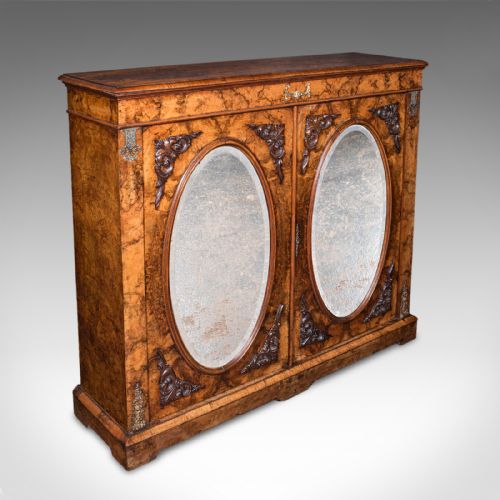
When you search for a period walnut mirror, you encounter wall-hanging plates, toilet glasses, and pier mirrors spanning from the seventeenth century through the Georgian eras and into later revivals. The most frequent examples on this page date from the reign of George II and the earlier Queen Anne and William and Mary periods, alongside nineteenth-century revivals.
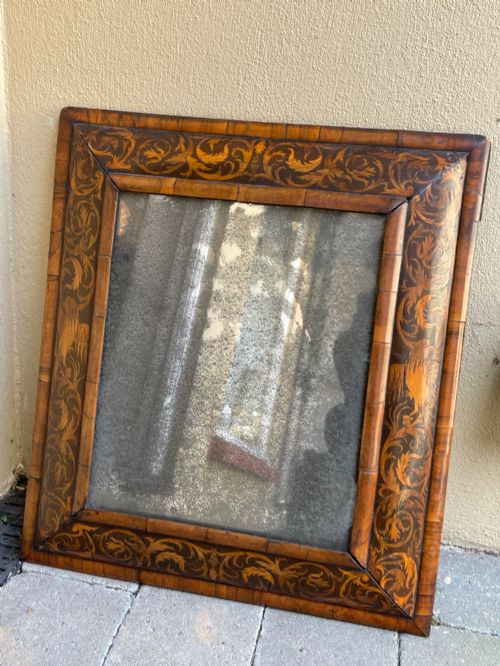
Forms range from simple moulded frames and cushion mouldings to fret-cut wall glasses and dressing mirrors fitted with small drawers beneath the glass. Pier mirrors and console combinations also appear, designed to hang between windows or above matching tables.
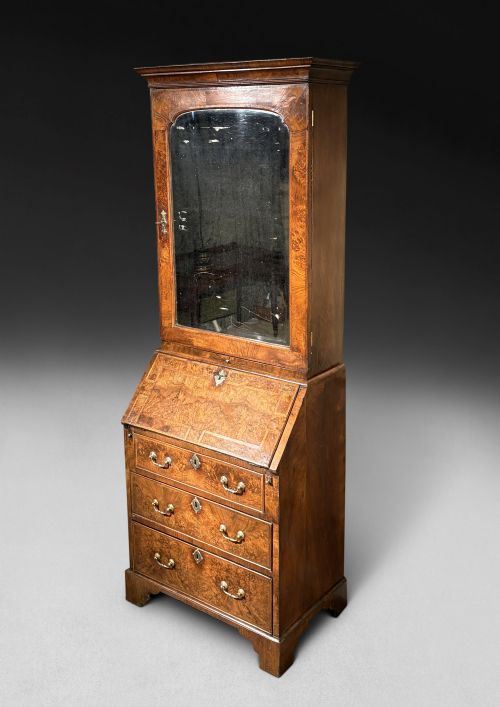
Timbers show considerable variety, shifting from plain native walnut on seventeenth-century cushion frames to highly figured burr walnut and oyster veneers on early eighteenth-century pieces. Later nineteenth-century revival pieces often incorporate parcel-gilt details or carved flourishes inspired by earlier Georgian designs.
What varies in quality
Quality rests principally on the choice of veneer and the crispness of the mouldings or fretwork. Superior examples display intensely figured burr walnut or carefully matched oyster pieces that wrap harmoniously around the corners of the frame.
The survival of original mirror plates, backboards, and brass candle sconces or drawer pulls elevates a piece significantly. Finer George II and Queen Anne frames maintain precise architectural proportions and delicate parcel-gilt carving that distinguish them from later, heavier copies.
Listings span multiple centuries, uniting seventeenth-century oyster veneer cushion frames with Queen Anne burr walnut, George II parcel-gilt designs, and later nineteenth-century revivals.
The Period Walnut Mirror Glossary
- Oyster veneer
- Cross-sections sliced from small branches or roots of walnut trees, arranged in repeating patterns across the frame. This technique created rich, circular medallions popular in the late seventeenth century.
- Burr walnut
- Timber taken from excrescences on the walnut tree, showing swirling, knotted grain patterns. It was sliced into thin veneers for high-status cabinet work and mirrors.
- Parcel-gilt
- Partially gilded woodwork where gold leaf is applied only to specific carved details, mouldings, or slip edges. It contrasts sharply with the dark brown tones of the surrounding walnut.
- Pier mirror
- A tall vertical glass designed specifically to hang on the wall space between two windows, often placed directly above a matching pier table or console.
- Toilet mirror
- A small dressing glass supported on a pivoted frame above a miniature box base fitted with small drawers. These sat upon chests of drawers or dressing tables.
Period Walnut Mirror: Frequently Asked Questions
How do I date a walnut mirror?
Dating relies on construction methods, timber choice, and frame profiles. Seventeenth-century examples often feature deep cushion mouldings and oyster veneers, while Queen Anne and George II pieces introduce shaped crestings, figured veneers, and parcel-gilt fretwork.
Later nineteenth-century revival pieces mimic these earlier styles but typically display machine-sawn timber uniformity, different backing construction, and cleaner, less oxidized mirror plates.
Are the mirror plates original?
Many surviving pieces retain their original hand-silvered glass, which exhibits characteristic minor oxidation, grey speckling, and gentle distortions. These visual imperfections confirm the age of the plate.
If a glass appears exceptionally bright, flat, and free of foxing, it is usually a later replacement fitted during the working life of the mirror.
Where should I hang a pier mirror?
Pier mirrors were originally engineered to hang on narrow wall spaces between windows to reflect natural light back into panelled rooms. They suit similar architectural positions today, such as between tall windows or above low console tables.
Because of their vertical proportions, they draw the eye upward and work effectively in hallways, drawing rooms, or above mantelpieces where ceiling height allows.
How do I care for antique walnut?
Walnut benefits from stable room environments away from direct sunlight, central heating vents, and damp exterior walls. Excessive temperature swings cause the underlying oak or pine carcasses to expand and crack the delicate veneers.
Apply a microcrystalline wax sparingly once or twice a year to nourish the timber and polish with a soft cotton cloth, avoiding silicone-based sprays entirely.