



Queen Anne Pier Glass
A queen anne pier glass brings vertical elegance to a room, combining fine mirror glass with rich walnut and giltwood frames.
Queen Anne Pier Glass
When you search for a queen anne pier glass, you look at tall vertical wall mirrors designed to hang between windows. The pieces on this page span from the early eighteenth century through to later revival periods, capturing both original walnut forms and nineteenth and twentieth century interpretations.
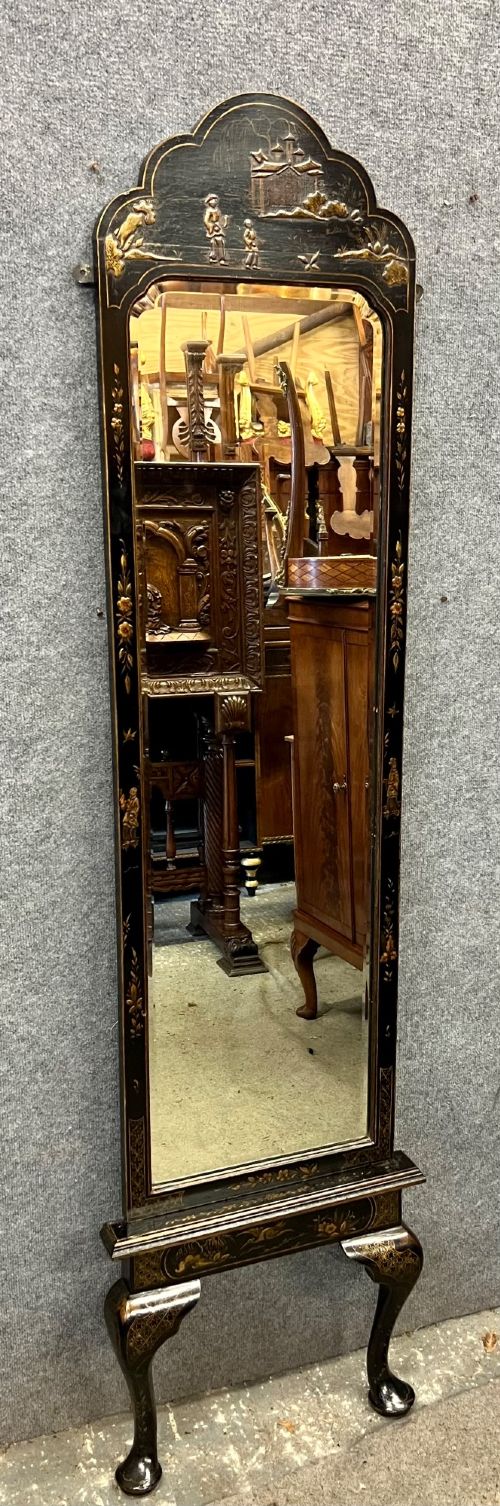
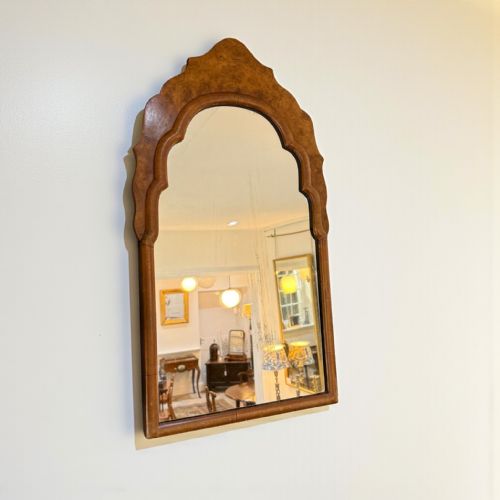
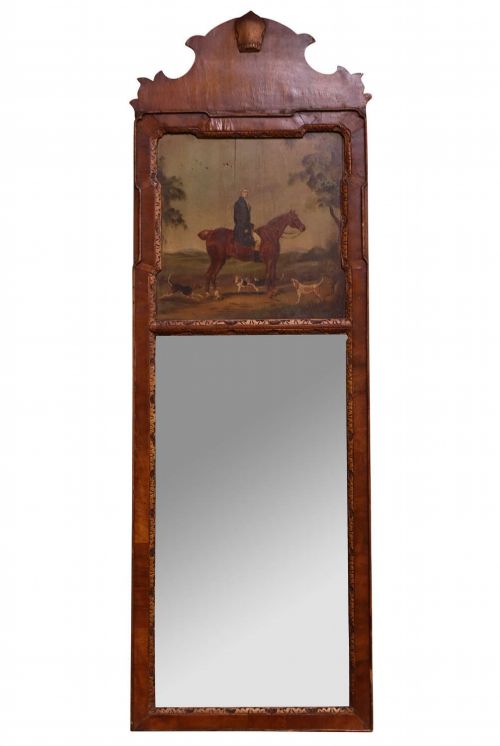
The most common examples you meet utilise walnut veneers, burr walnut and parcel gilt finishes. Many integrate oil on canvas paintings or hand-painted foliate panels within the upper section of the wooden frame.
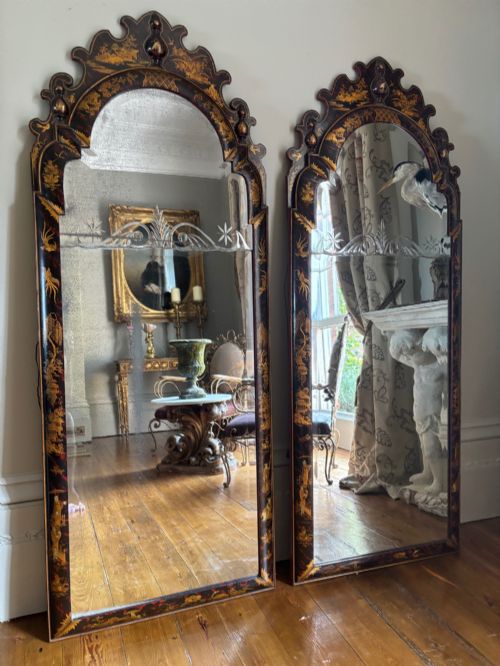
Makers and craftsmen across the Georgian, Victorian and Edwardian eras reproduced these upright proportions. You encounter simple walnut frames alongside elaborate chinoiserie decorated surfaces and giltwood accents.
How they were made
Makers constructed these tall frames using solid timbers overlaid with finely figured walnut veneers and burr walnut. Workshops applied parcel gilt details and hand-painted foliate panels or inset oil on canvas scenes to enrich the timber surface.
Mirror glass was bevelled and set into the rebated wooden frame, often accompanied by lacquerwork on chinoiserie pieces. Giltwood surfaces combined carved wood bases with applied gold leaf to catch the natural light of a room.
Queen Anne Pier Glass Retail Price Guide 2026
Typical asking prices for queen anne pier glass among the pieces listed under this phrase on Sellingantiques today, from the lower quarter to the upper quarter. They describe what is for sale here now, not the wider market.
Equestrian oil paintings occasionally peer down from the tops of twentieth-century revival mirrors.
What varies in quality
The depth of figure in the walnut veneer and the crispness of the giltwood carving separate standard examples from finer works. Original mirror plates show subtle age characteristics, whereas later replacements offer clearer reflections.
Proportion and execution define the hierarchy of these wall mirrors. Hand-painted panels and integrated oil on canvas artworks demand higher skill levels than plain wooden frames.
The Queen Anne Pier Glass Glossary
- Pier glass
- A tall wall mirror specifically scaled to hang on the narrow wall space between windows. These vertical glasses reflect additional light into eighteenth-century rooms.
- Burr walnut
- A prized timber harvested from the wart-like growths on walnut trees. It yields richly patterned, swirling wood grains used for decorative veneer.
- Parcel gilt
- A decorative technique where specific carved details or mouldings receive a thin coating of gold leaf while the surrounding wood remains visible.
- Giltwood
- Timber carved and subsequently covered with fine leaf gold or metallic powder. This finish brightened dark interiors before electric lighting.
Queen Anne Pier Glass: Frequently Asked Questions
Where should I hang a pier glass?
These tall vertical mirrors work best on narrow wall spaces between two windows. Their original purpose was to maximise ambient light in a reception room.
Ensure the wall construction supports the weight of the timber frame and mirror glass. Hanging them at eye level balances the vertical proportions within the room.
Are all these mirrors from the eighteenth century?
The selection includes genuine eighteenth-century pieces alongside Victorian, Edwardian and revival interpretations. Makers across different centuries reproduced the distinctive proportions and materials.
Examining the construction methods, timber backing and glass characteristics helps determine the exact period. Revival pieces from later centuries adopt the same decorative vocabulary as earlier originals.
What is the difference between walnut and giltwood?
Walnut surfaces display the natural grain and figuring of the wood, often enhanced with polished veneers. Giltwood frames are covered entirely in gold leaf or metallic gilt over a carved wooden base.
Some pieces combine both materials by pairing walnut panels with parcel gilt mouldings. This dual finish adds contrast and highlights the architectural lines of the frame.
How do I care for antique mirror glass?
Keep the mirror in a stable environment away from direct sunlight and excessive moisture. Excessive humidity can damage the silvering behind the glass and the underlying wood.
Clean the glass gently using a soft cloth and avoid harsh chemical sprays. Care must be taken around original frames and hand-painted panels to preserve the finish.