
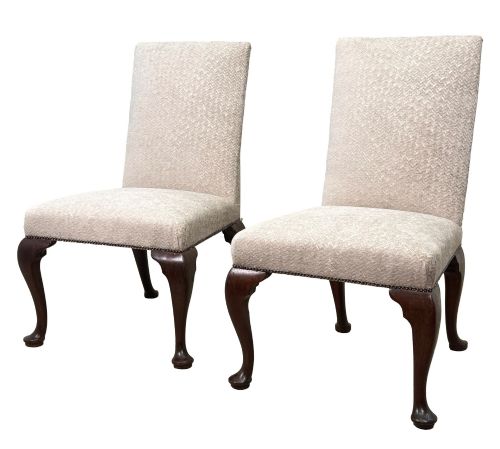
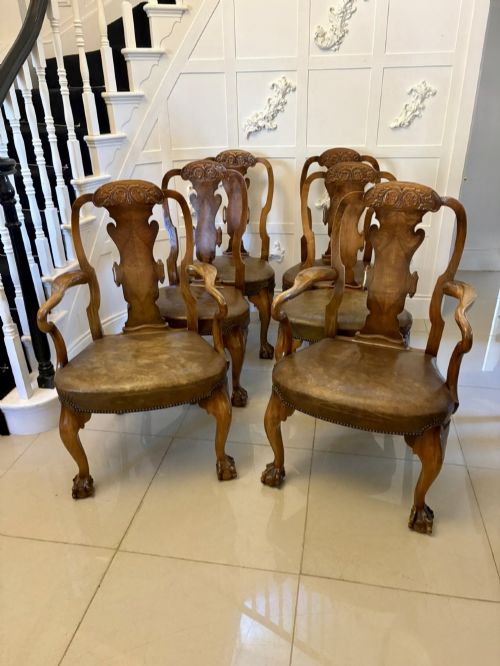


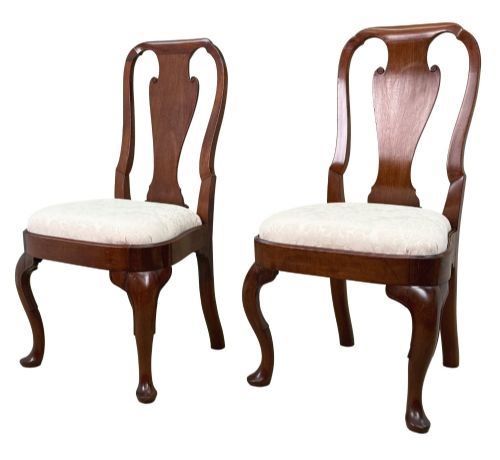
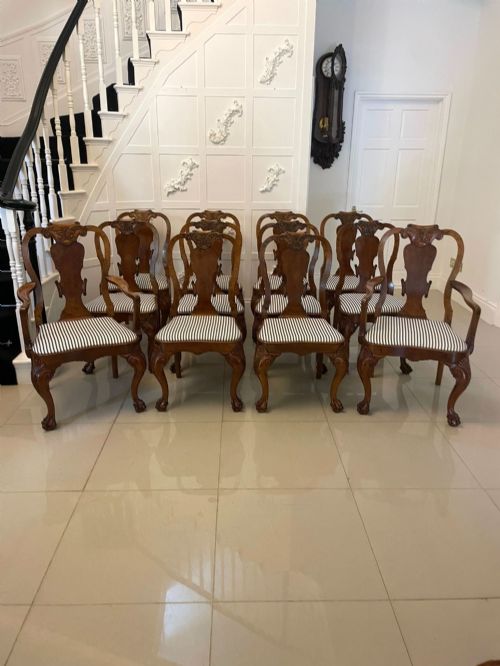
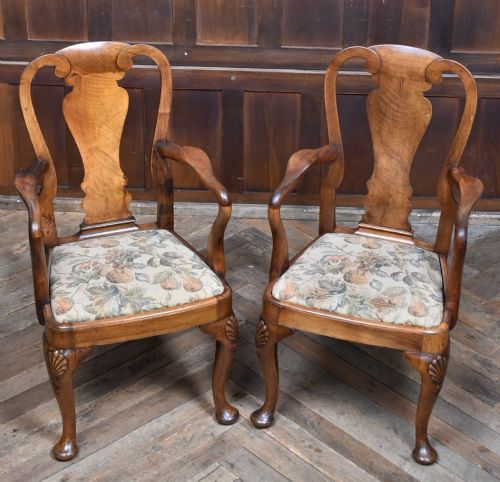
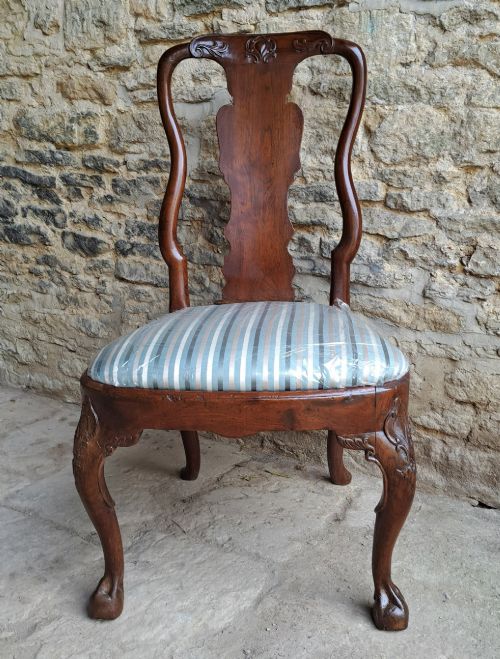
Queen Anne Walnut Chair
When you search for a queen anne walnut chair, you are looking at early eighteenth-century seating forms that combine restrained curves with native timber.
Queen Anne Walnut Chair
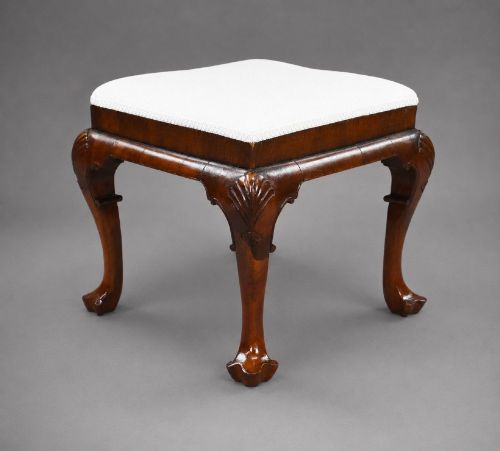
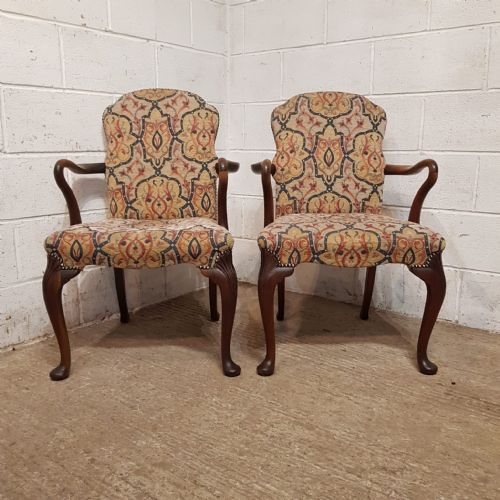
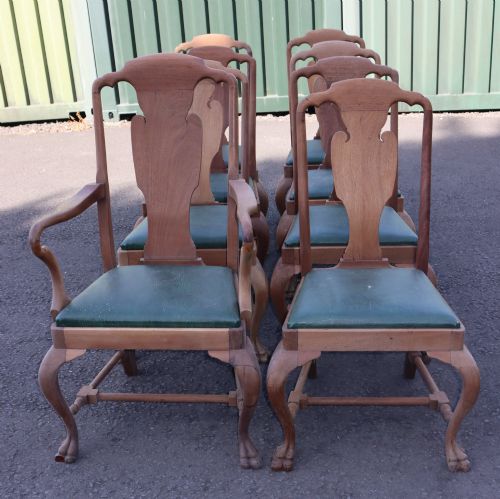
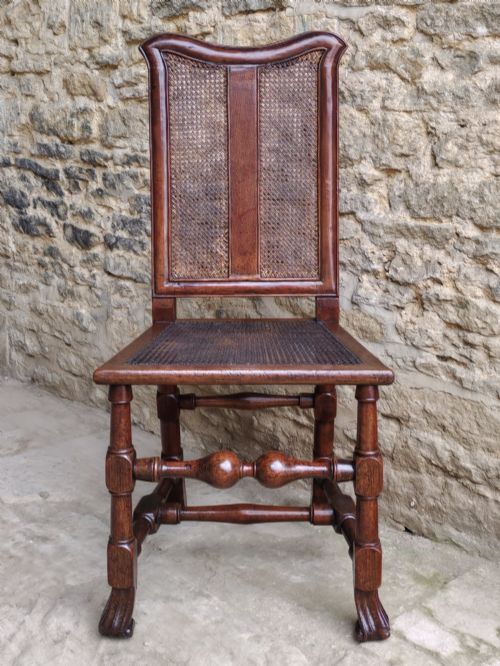
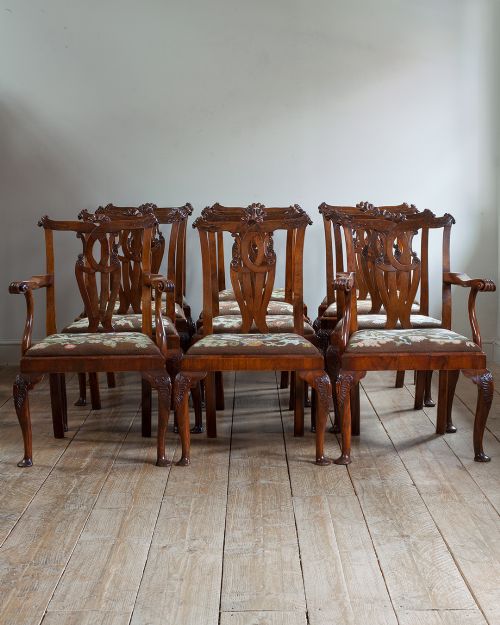
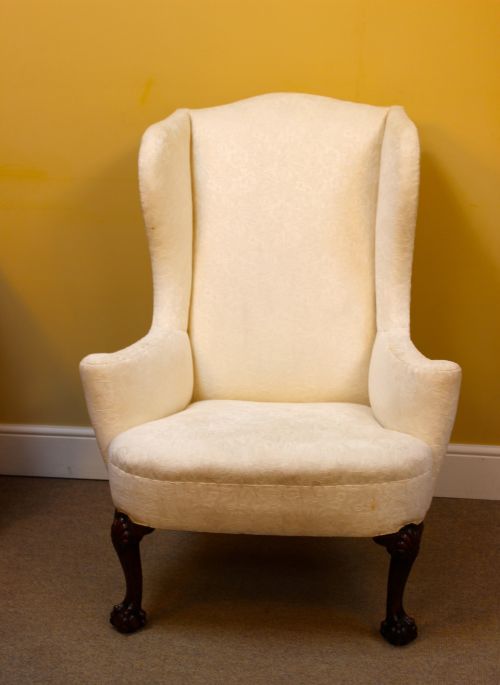
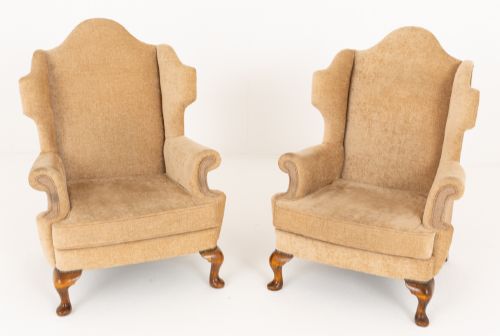
A queen anne walnut chair encompasses diverse forms ranging from authentic eighteenth-century side chairs and high-backs to later nineteenth-century revivals and twentieth-century dining sets. Buyers encounter formats such as dining chairs, wing armchairs, desk chairs, and dressing table stools originating across the eighteenth, nineteenth, and twentieth centuries.
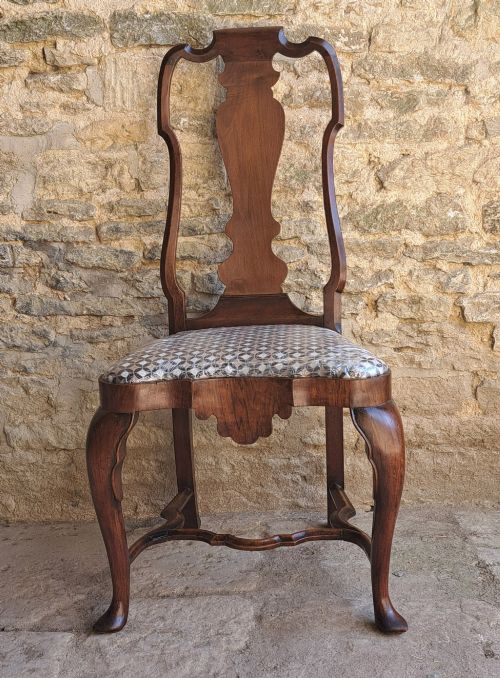
The core design language relies on the characteristic vase-shaped splat back, cabriole legs, and pad or claw and ball feet. Dining chairs and side chairs predominate alongside library and wing armchairs upholstered in leather, textile, or needlepoint.
Pieces from the period between seventeen-ten and seventeen-forty sit alongside revival iterations produced around nineteen-hundred and nineteen-twenty. Both original period examples and later interpretations cater to collectors seeking traditional walnut seating.
How They Were Made
Cabinetmakers utilised solid walnut and burr walnut veneers applied to supportive secondary timbers, often shaping grain patterns to accentuate the curved contours of the backsplats and frames. Joinery typically incorporated tenons and dowels to withstand daily use without excessive metal fastenings.
Upholstered variants employed textile, velvet, leather, or tapestry stretched over webbing and stuffing, sometimes featuring drop-in seat frames that lifted cleanly from the wooden rails. Carved details on knees and crest rails were shaped by hand using gouges and chisels.
Surfaces received finishes such as polish or wax to protect the timber while highlighting the natural figuring of plain and burr walnut variations.
Early cabinetmakers occasionally left hidden chalk tally marks underneath drop-in seats to keep matching dining sets together.
What Varies In Quality
The integrity of the timber framing dictates much of the standard, distinguishing solid walnut construction and carefully matched burr veneers from simpler secondary woods finished with stain. Grain selection across prominent areas like the splat back and cabriole legs reveals the maker's initial ambition.
Proportion and execution of carved elements define the upper tier of production, where cabriole legs flow seamlessly into the seat rail and foot terminals show crisp definition. Later revival editions diverge based on whether workshops adhered closely to early proportions or adopted heavier, coarser outlines.
The survival of original surface patination and period upholstery methods separates untouched survivals from heavily restored or later re-veneered examples.
Charles Tozer·Daniel Marot·Epstein·Charles Walker of Harrogate
The Queen Anne Walnut Chair Glossary
- Cabriole leg
- A furniture leg that curves outward at the knee and tapers inward toward the ankle, mimicking animal limbs. This form typifies the silhouette of eighteenth-century seating.
- Splati back
- The vertical central wooden strip within the backrest of a chair, frequently shaped into a vase or fiddle outline. It provides both structural support and decorative focal points.
- Drop-in seat
- A removable wooden frame upholstered separately and dropped into a recess within the chair seat rails. It allowed easier reupholstering without dismantling the main frame.
- Burr walnut
- Timber taken from walnut tree growths that produce complex, swirling grain patterns used for decorative veneer. Cabinetmakers prized it for high-status cabinetwork and seating.
- Claw and ball
- A foot motif carved to resemble a bird's talon clutching a spherical ball. It frequently terminates the cabriole legs of refined seating.
Queen Anne Walnut Chair: Frequently Asked Questions
How can I date a walnut chair?
Dating relies on examining construction marks, timber choice, and the profile of the splat back and cabriole legs. Early eighteenth-century pieces display hand-cut joinery and native timber patination.
Later revival pieces from the Victorian and Edwardian eras often utilise machine tooling and denser internal framing methods alongside twentieth-century hardware.
What is a drop-in seat?
A drop-in seat is a removable padded frame that drops neatly into the rebated wooden rails of a chair. This construction method facilitated straightforward cleaning and recovering.
Makers utilised this across eighteenth-century dining chairs to allow changing textiles without altering the structural frame.
Are wing armchairs comfortable for daily use?
Wing armchairs provide supportive back heights and enclosed sides designed originally to deflect draughts in unheated rooms. Modern users find their upright posture suitable for reading or fireside seating.
Upholstery stuffing materials dictate the exact firmness of the seat and back cushions.
How do I care for antique walnut timber?
Antique walnut requires stable indoor humidity levels away from direct heat sources and sunlight to prevent timber shrinkage and veneer lifting. Regular dusting with a dry cloth maintains the surface wax.
Harsh chemical cleaners should be avoided to preserve the historic patina built up over generations.