




Queen Anne Stool
When you search for a queen anne stool, you are looking for low seating defined by cabriole legs and organic grace.
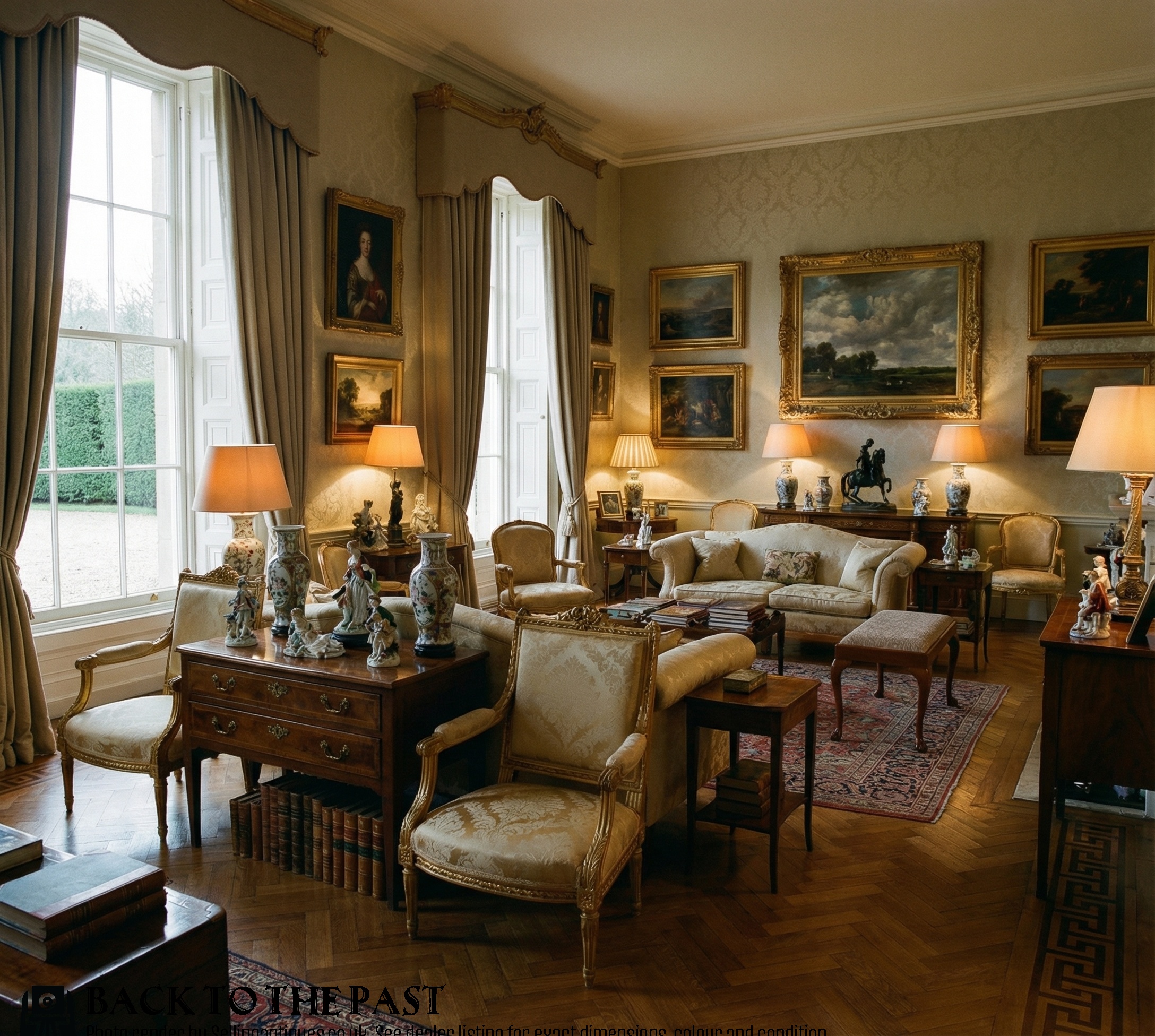
Queen Anne Stool
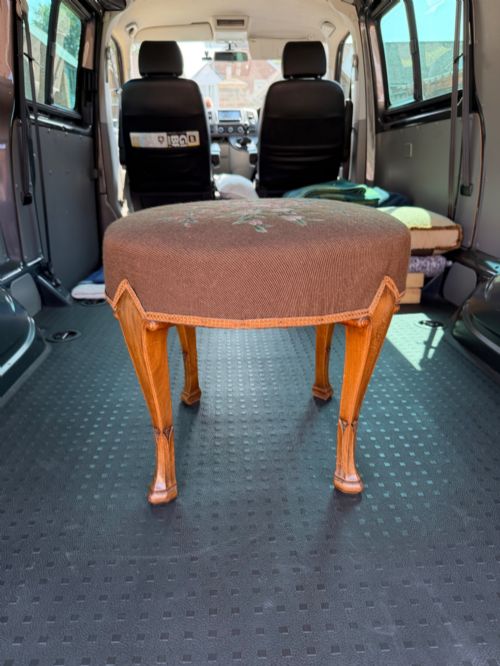
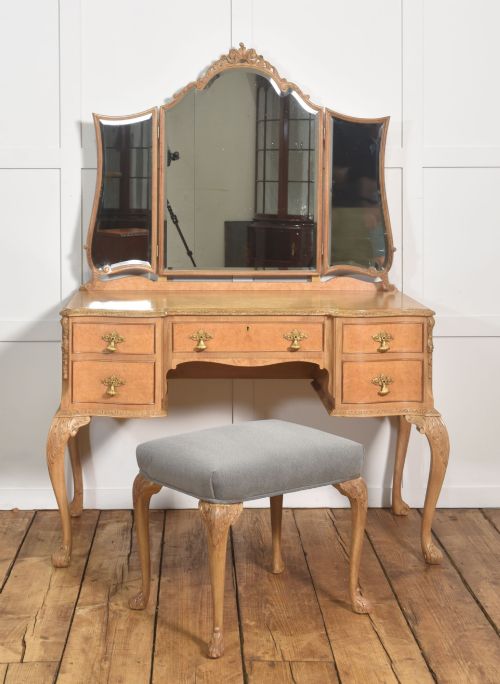
A queen anne stool is a low seat designed for the dressing room, parlour or drawing room, often taking the form of a footstool, dressing stool or piano stool.
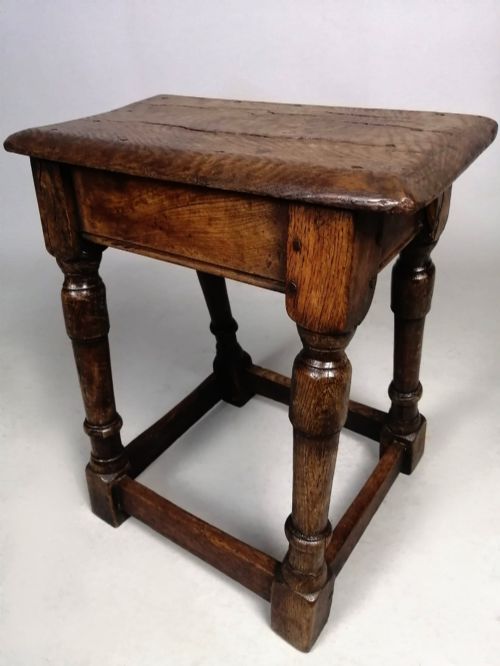
Most examples seen here belong to the revival periods of the nineteenth and early twentieth centuries, though original eighteenth-century walnut and oak pieces also appear.
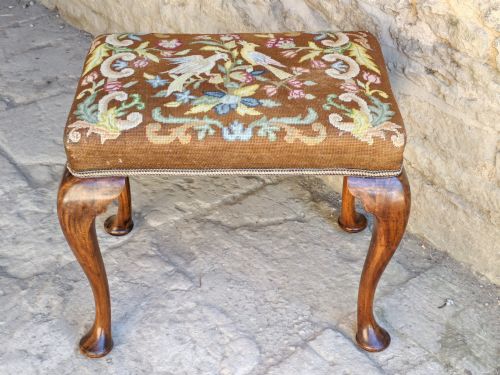
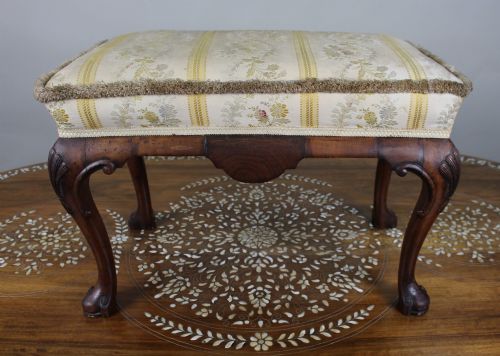
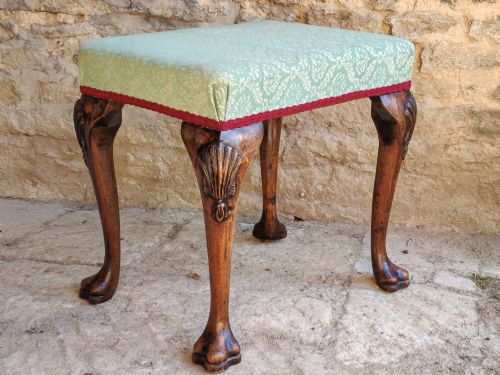
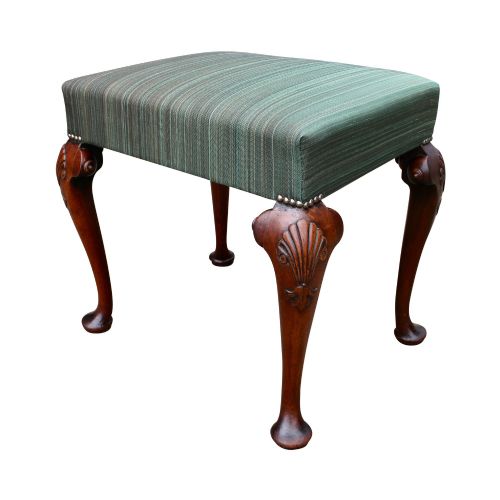
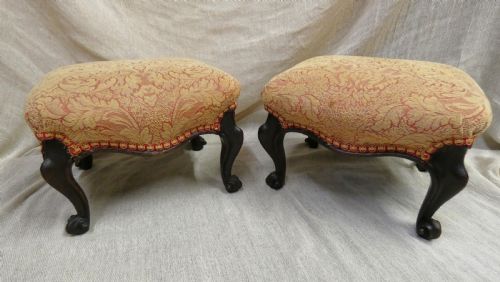
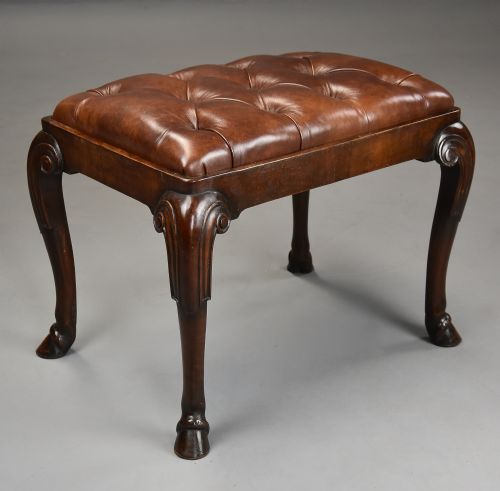
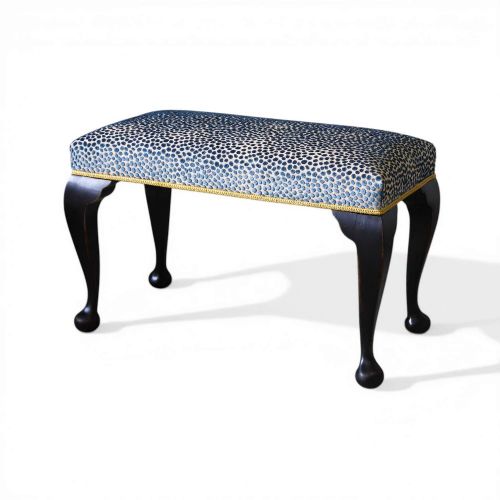
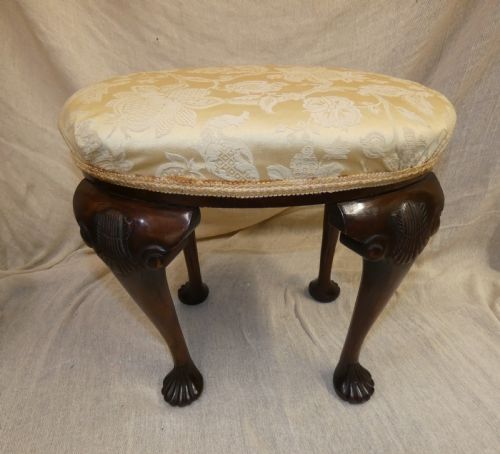
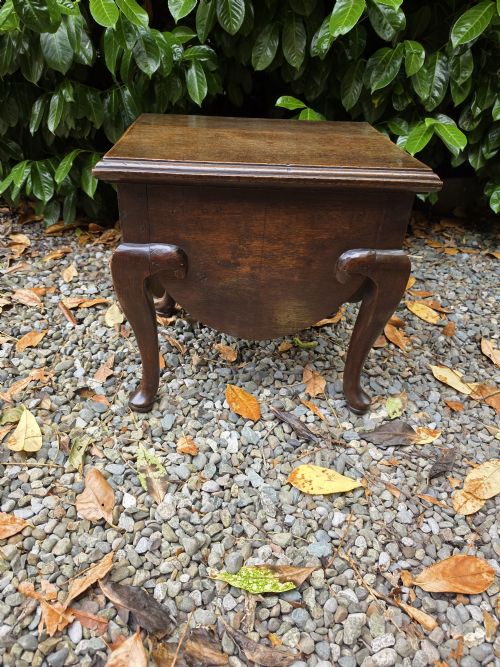
The form typically rests on cabriole legs, occasionally terminating in pad feet or ball and claw details, supporting a fixed or drop-in upholstered top.
How they were made
Makers predominantly worked in walnut, mahogany and oak, shaping timber into curved legs and frames that reflect the proportions of the original period.
Seats are upholstered in a variety of textiles including needlepoint, tapestry, silk damask, velvet, fabric and leather, sometimes finished with brass details.
Queen Anne Stool Retail Price Guide 2026
Typical asking prices for queen anne stool among the pieces listed under this phrase on Sellingantiques today, from the lower quarter to the upper quarter. They describe what is for sale here now, not the wider market.
Even the cats of the eighteenth century appreciated a good cabriole leg to scratch against.
What varies in quality
The distinction between a standard piece and a superior one lies in the crispness of the carved detail on the cabriole legs and the weight of the timber used in the frame.
Upholstery choice and execution also separate examples, ranging from simple modern fabric replacements to needlework and tapestry tops that match the character of the wood.
Morris Co
The Queen Anne Stool Glossary
- Cabriole leg
- A furniture leg that bends outward in a convex curve and tapers inward in a concave curve, mimicking an animal limb. This shape is characteristic of the style.
- Drop-in seat
- A removable upholstered frame that drops into a recess in the wooden seat rail. It allows for easier reupholstery.
- Pad foot
- A simple rounded foot found at the base of a cabriole leg where the timber rests flat on the floor. It provides a neat termination without carved claws.
- Needlepoint
- A type of counted thread embroidery stitched onto canvas, frequently used for historical seat covers. It brings traditional texture to the top of the stool.
Queen Anne Stool: Frequently Asked Questions
How do I tell an original apart from a revival piece?
Original pieces date from the early eighteenth century and display the natural wear, timber shrinkage and construction methods appropriate to that era. Revival versions, made during the Victorian and Edwardian periods, utilise machinery-cut elements and cleaner internal joints.
Examining the underside and the grain of the walnut or oak helps clarify the age of the timber and the framing techniques employed by the maker.
Were these stools used only for dressing tables?
While many served as dressing stools in bedrooms, others functioned as piano stools, window seats or general footstools in reception rooms. Their compact size made them easily movable around the home.
Different heights and top shapes often indicate whether a piece was meant for seated foot support or for perighting at a vanity.
What fabrics are appropriate for upholstery?
Needlepoint, tapestry, leather and silk damask are all historically sympathetic coverings found on these seats. Traditional patterns enhance the period aesthetic of the wooden frame.
Choosing a durable textile ensures the stool withstands daily use while maintaining its decorative character in a modern interior.
How do I care for the wooden frame?
Walnut and mahogany frames require minimal maintenance, benefiting from occasional cleaning with a soft cloth and neutral furniture wax. Avoid placing them in direct sunlight or near heat sources to prevent the timber from drying out.
Checking the stability of the cabriole legs periodically ensures the joints remain secure under normal weight.