


Qing Famille Rose Porcelain
When you search for qing famille rose porcelain, you enter a world of vibrant ceramics painted in opaque enamels during the Qing Dynasty and related periods.
Qing Famille Rose Porcelain
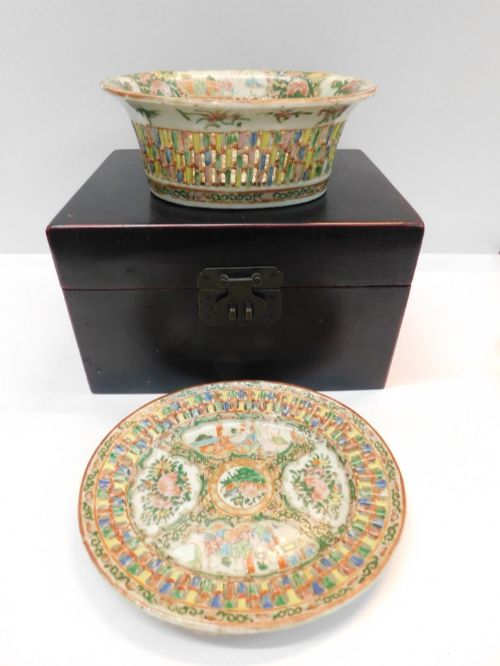
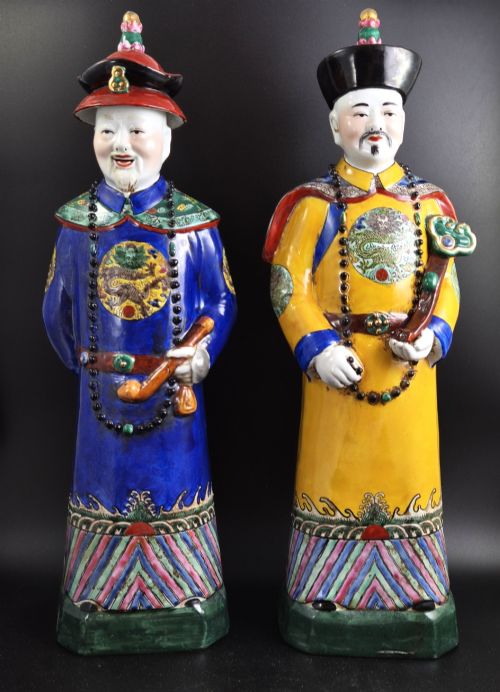
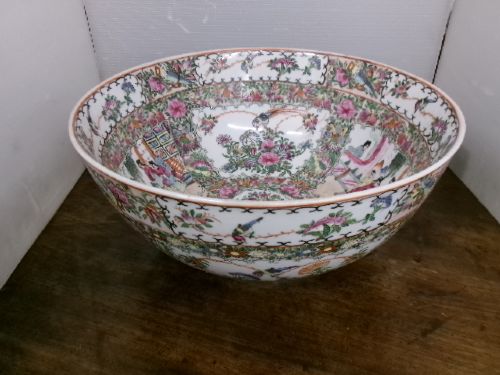
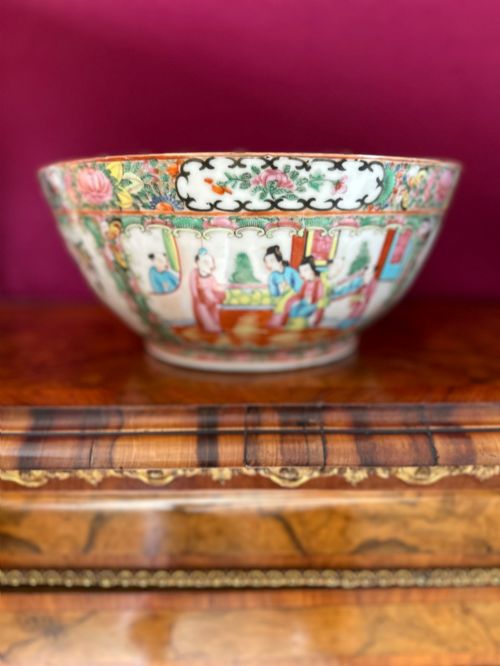
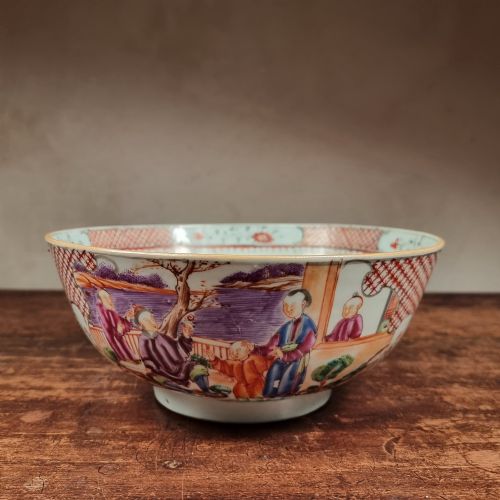
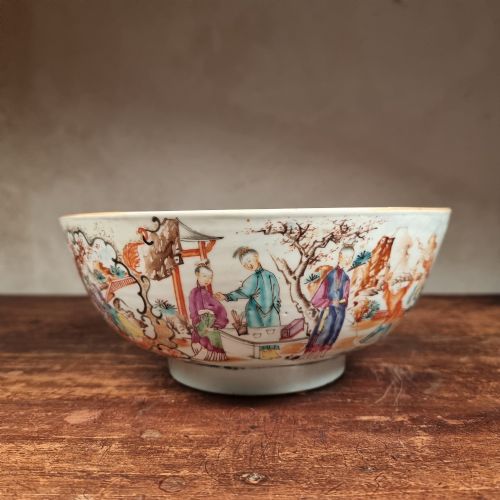
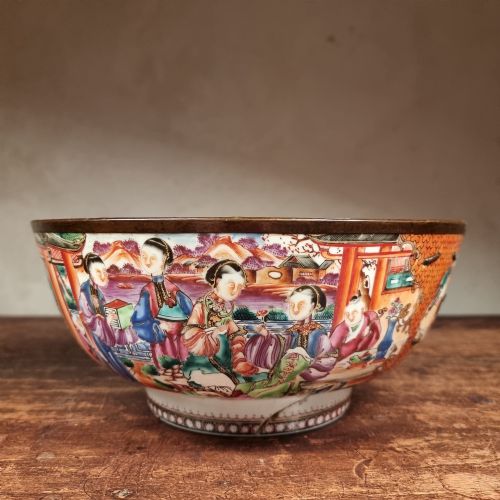
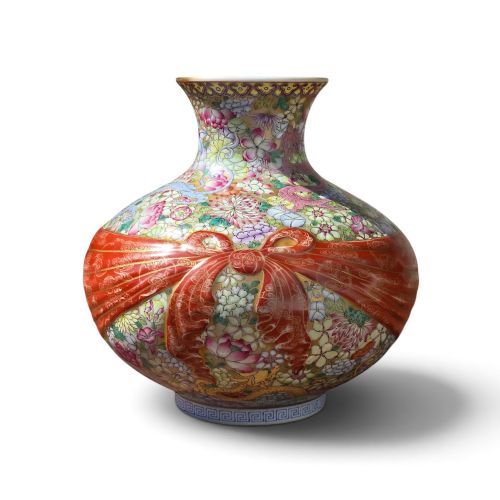
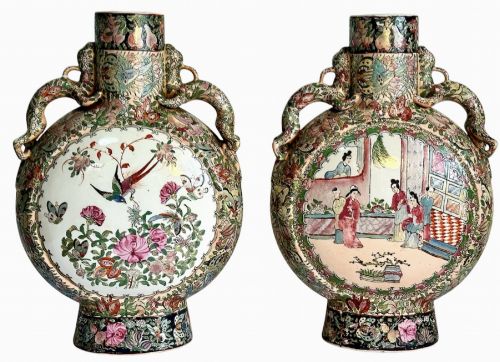
When searching for qing famille rose porcelain, buyers encounter a diverse range of objects created primarily during the 18th and 19th centuries. The selection spans utilitarian vessels and decorative items such as large punch bowls, moon flasks, ginger jars, and reticulated chestnut baskets. Many pieces reflect traditional Chinese motifs, scholar scenes, and court figures.
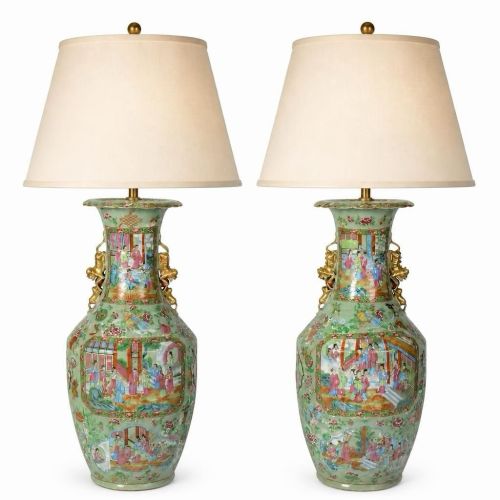
The objects frequently originate from periods spanning the Qianlong reign down to the late Qing and early Republic eras. Common forms include monumental floor vases, table lamps, pedestal dishes, and delicate eggshell bowls. Buyers also find specialised items like snuff bottles and brush pots originating from this expansive timeframe.
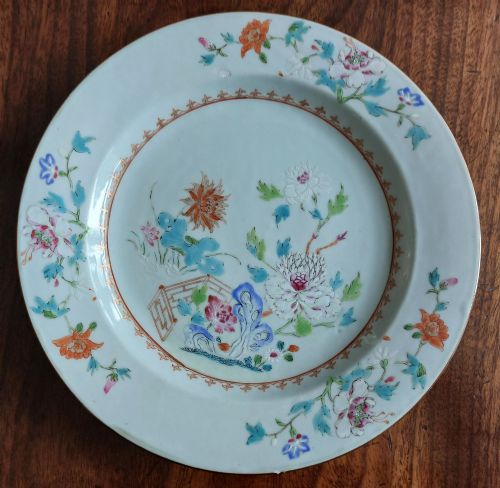
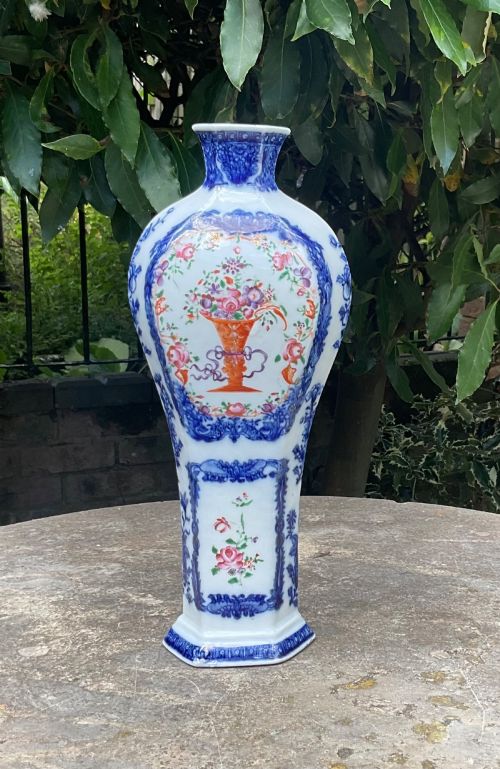
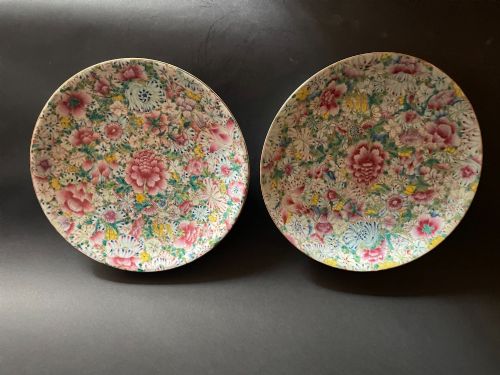
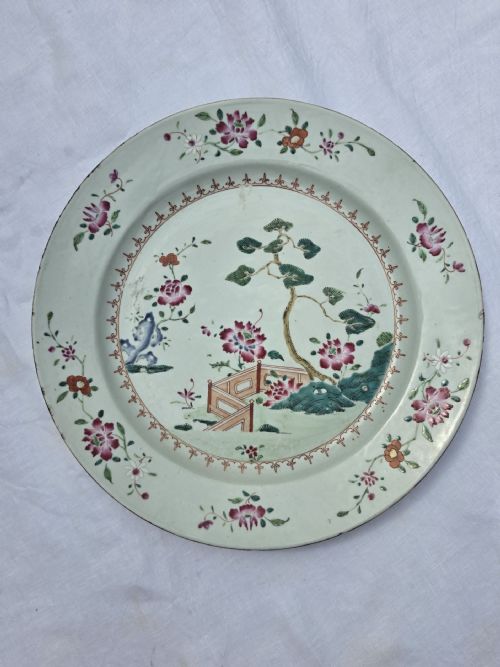
Canton and Jingdezhen workshops contribute heavily to the available inventory, bringing distinct regional painting styles to dishes, jars, and baluster vases. These wares often incorporate domestic scenes, birds, flowers, and auspicious symbols rendered in characteristic pink and multi-coloured palettes.
How They Were Made
Potters shaped the base forms using fine porcelain clay before applying initial glazes and firing the vessels at high temperatures. Artisans then added overglaze enamels, incorporating the distinctive pink colour derived from colloidal gold alongside turquoise, yellow, and green pigments. Gold leaf and gilt accents were frequently brushed onto rims, handles, and borders to highlight the painted scenes.
Detailed hand painting defined the decoration, using fine brushes to execute complex narratives, floral arrangements, and figures such as Luohans or immortals. Certain pieces received additional relief work, pierced reticulation, or ormolu mounts added in later Western markets.
Listings feature 18th Century and 19th Century items alongside Victorian era imports, utilising porcelain, enamel, and gold leaf.
What Varies in Quality
The precision and density of the hand-painted enamelwork separate standard decorative items from exceptional examples. Finer pieces display meticulously rendered facial expressions on figures, intricate border patterns, and careful control of the overglaze palette without blurring.
The weight, thinness, and translucency of the porcelain body also indicate grade, as seen in superior eggshell bowls and finely potted brush pots. Additionally, the presence of reign marks or hall marks from specific periods provides a clear indicator of imperial or high-workshop provenance.
Fujian Huiguan Mark·Yongzheng Mark
The Qing Famille Rose Porcelain Glossary
- Famille Rose
- A palette of opaque overglaze enamels dominated by a characteristic pink colour, introduced to Chinese porcelain during the Qing Dynasty.
- Canton
- A major trading port in southern China known for producing export porcelain decorated with crowded, colourful figural and floral scenes.
- Bitong
- A traditional Chinese cylindrical brush pot used by scholars, frequently carved from porcelain, wood, or bamboo.
- Reticulation
- An openwork or pierced decorative pattern formed into the ceramic body during manufacturing, often seen on baskets and exterior sleeves.
- Moon Flask
- A flattened, circular pilgrim flask with two small handles, typically standing on an oval foot and decorated with symmetrical painted scenes.
- Gilding
- The application of gold leaf or powdered gold onto the surface of porcelain, used to accent rims, handles, and specific design elements.
Qing Famille Rose Porcelain: Frequently Asked Questions
What is famille rose porcelain?
Famille rose porcelain refers to Chinese ceramics decorated with a distinct palette of opaque overglaze enamels, where pink is the dominant tone. This style developed during the Qing Dynasty and allowed artists to achieve subtle tonal gradations in floral and figural motifs.
The name itself is a later European classification, but the technique represents a major technical advancement in Qing ceramic decoration. These pieces were produced both for the domestic imperial court and for export to Western markets.
How can I date a piece?
Dating relies on examining the painting style, enamel texture, and any reign marks stamped or painted on the base. Pieces from the 18th century often feature refined Qianlong or Yongzheng characteristics, while 19th-century Canton and late Qing wares display bolder palettes and denser decoration.
Changes in porcelain body weight and the vibrancy of the overglaze enamels also offer clues to the era of manufacture. Comparing the motifs against known historical periods helps narrow down the decade of production.
Where were these items made?
The majority of these ceramics were produced in renowned kiln centres such as Jingdezhen, which served as the heart of imperial porcelain production. Other items were painted and finished in the workshops of Canton specifically for the export trade.
These regional centres utilised local clays and specialised pigment recipes. The combination of provincial workshop practices and imperial standards created the wide variety of forms found today.
How were these vessels used?
Many large vessels, such as punch bowls, floor vases, and jardinieres, served as decorative display pieces in grand houses and reception rooms. Smaller items like brush pots and snuff bottles were functional objects used daily by scholars and officials.
Export plates and dishes were often utilised for formal dining or displayed on sideboards. Over time, items like moon flasks and vases frequently transitioned into decorative centrepieces or lamp bases.