



Qing Dynasty Planter
A qing dynasty planter brings substance to a room, appearing in forms like bronze bowls, porcelain jardinieres, and carved hardwood stands.
Qing Dynasty Planter
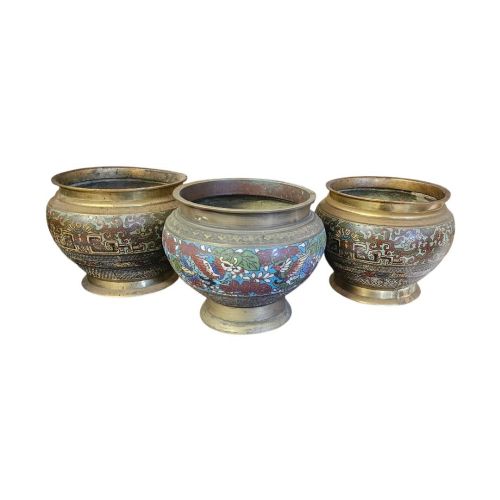
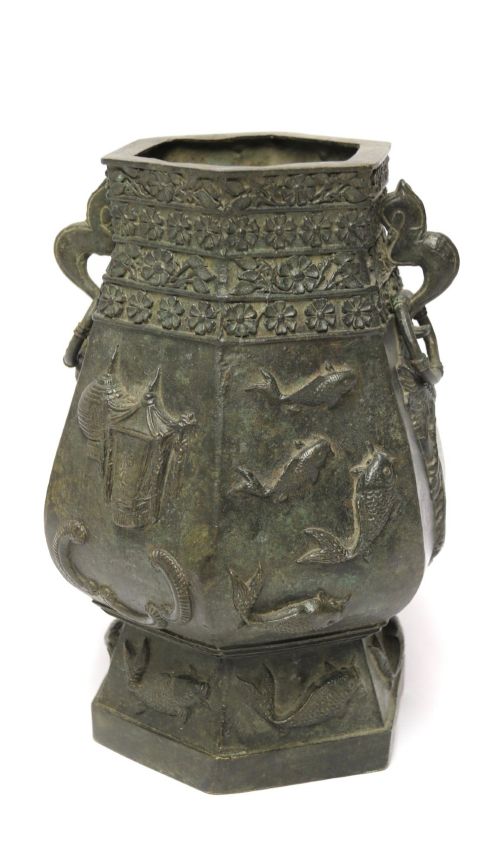
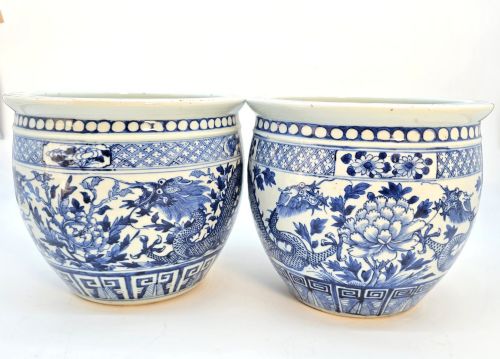
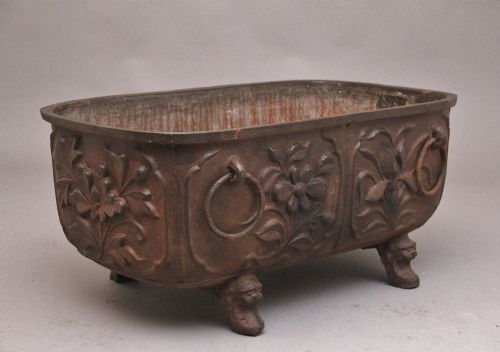
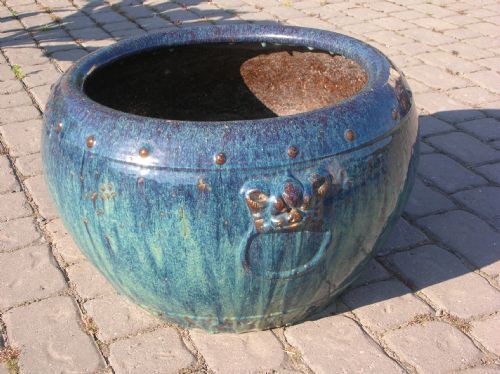
When you search for a qing dynasty planter, you encounter a selection of vessels designed to hold plants, trees, or flowers within domestic and garden spaces. The pieces on this page span several forms, primarily featuring porcelain jardinieres, bronze bowls, and carved hardwood stands.
The objects originate from various periods including the eighteenth and nineteenth centuries, alongside later nineteenth and early twentieth century examples. You find blue and white porcelain, cloisonne enamel, and elm alongside brass and copper vessels.
Vessels take shapes such as hexagonal vessels, lobbed rectangular bowls, and cylindrical jardinieres, often accompanied by matching pedestals or tables. These items reflect traditional Chinese provincial and export craftsmanship produced across multiple generations.
Materials and technique
Metal vessels utilise cast bronze, brass, and copper, frequently decorated through champleve or cloisonne enamel techniques where metal wires or recesses hold coloured vitreous pastes. Cast iron and zinc linings also appear in specific trough and bath forms.
Ceramic pieces rely on porcelain bodies shaped on a wheel or in a mould, then painted in blue and white or polychrome famille rose enamels before firing. Glazes provide a smooth waterproof interior and exterior finish.
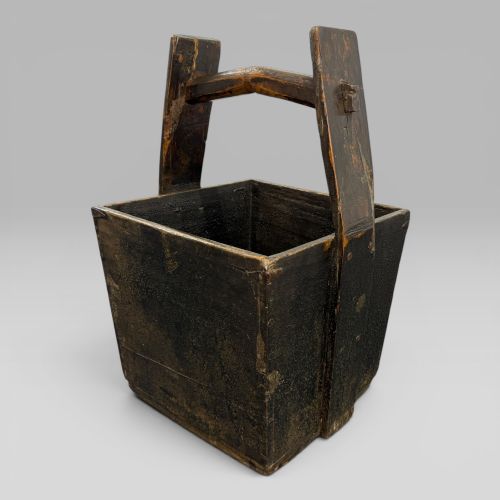
Wooden items employ carved elm, mahogany, and other hardwoods joined together to create sturdy mortar forms, harvest baskets, and tiered display stands. Hand-carving details bring texture to the structural grain.
Objects range from the eighteenth century through the nineteenth century, including Victorian and Edwardian periods.
What separates the best from the rest
Quality rests upon the crispness of the casting in metal pieces and the clarity of the enamel work within cloisonne or champleve sections. Heavier bronze bowls and well-defined porcelain painting indicate superior workshop standards.
For wooden stands and planters, the density of the hardwood and the depth of the hand-carved relief dictate the grade of the piece. Well-balanced proportions and intact original linings elevate the standing of a vessel.
The Qing Dynasty Planter Glossary
- Jardniere
- An ornamental pot or bowl designed to hold a plant or flower arrangement. These pieces often sit directly on tables or dedicated stands.
- Cloisonne
- A decorative metalwork technique using thin metal wires soldered to a metal body to create compartments filled with enamel paste. Firing hardens the enamel into a smooth surface.
- Famille Rose
- A palette of opaque enamels dominated by pink or rose colours, introduced to Chinese porcelain production in the eighteenth century. It allowed for nuanced shading in floral and figural designs.
- Champleve
- An enamelling method where troughs or cells are carved directly into a thick metal surface and filled with enamel before firing. This creates raised metal outlines between the coloured areas.
- Bough pot
- A vessel specifically shaped for holding cut branches and flowering boughs to decorate an interior space during winter months.
Qing Dynasty Planter: Frequently Asked Questions
What is a jardiniere?
A jardiniere is a decorative pot or vessel designed to hold growing plants, flowers, or small trees indoors. They provide a stable and waterproof container that protects household surfaces while displaying greenery.
Historically, these vessels stood in reception rooms, halls, or enclosed gardens. They range from heavy bronze bowls to delicate porcelain basins.
Where should I place a planter?
Planters suit placement on sturdy side tables, low cabinets, or dedicated wooden stands where their weight and form find adequate support. Bronze and ceramic bowls function well as focal points in reception rooms or hallways.
Ensure the surface can bear the considerable weight of metal or ceramic vessels. Using protective pads underneath prevents scratching on polished wooden furniture.
How do I care for bronze vessels?
Bronze vessels require gentle dusting with a soft, dry cloth to remove surface particles. Avoid chemical polishes or abrasive cleaners that strip away natural patination.
Keep metal pieces away from excessive moisture and direct humidity to protect the surface integrity. If used for live plants, ensure an inner liner catches water to prevent corrosion.