


Chinese Brass Planter
A chinese brass planter brings heavy metal weight and intricate decorative detail into a room, offering a sturdy home for indoor greenery.
Chinese Brass Planter
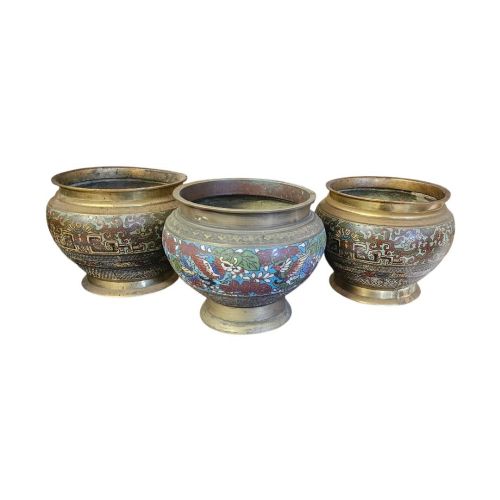
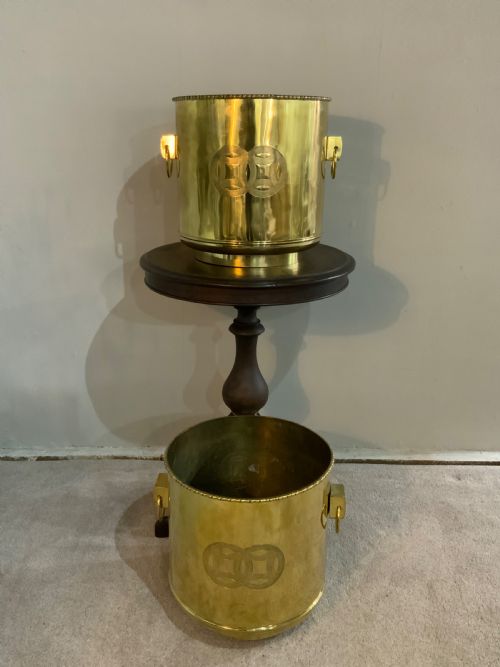
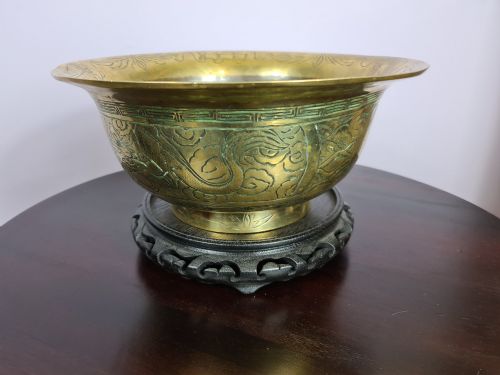
A chinese brass planter combines metal vessel forms with decorative motifs rooted in the Qing Dynasty and Victorian Orientalism. These items arrive as jardinieres, bowls, troughs and desk pots designed to hold plants or stand alone as decorative vessels.
The pieces seen here range from early Victorian interpretations to late Qing production around nineteen hundred. Buyers frequently encounter heavy bronze bowls alongside polished brass jardinieres and copper combinations.
Materials and construction methods
Makers utilised brass and bronze as primary metals, frequently pairing them with champleve and cloisonne enamel decoration. Some larger troughs incorporate zinc liners to hold soil and water safely.
Casting and hammering shaped the heavy bodies of these vessels, while detailed enamel work added coloured patterns across the metal surfaces.
A heavy desk pot from eighteen hundred proves that scholars once needed miniature bronze vessels for their stationery.
Assessing quality in metalwork
Weight and thickness separate substantial vessels from lighter items, with heavier bronze bowls offering greater material substance. The precision of the surface decoration and the clarity of enamel work dictate the level of craftsmanship.
Surface finish and the integrity of internal liners show the original intent of the maker, whether for heavy domestic planting or refined desk display.
The Chinese Brass Planter Glossary
- Jandiniere
- A large ornamental pot or stand used for holding flowers or plants. These ceramic or metal vessels sit on floors or tables.
- Cloisonne
- An enamel technique where metal wire creates raised barriers on the surface to hold coloured paste. Firing fuses the glass paste into distinct compartments.
- Champleve
- An enamelling method where troughs are gouged into a metal plate and filled with vitreous enamel before firing. This creates flat coloured patterns embedded in the metal.
- Qing Dynasty
- The final imperial dynasty of China, lasting from sixteen forty-four until nineteen twelve. Pieces from this era display traditional motifs and metalworking techniques.
Chinese Brass Planter: Frequently Asked Questions
How do I clean my planter?
Dust the surface regularly with a soft dry cloth to prevent dirt buildup.
Avoid harsh chemical polishes that can damage antique patination or delicate enamel work.
Can I plant directly inside?
Many antique vessels lack drainage holes and rely on internal liners to protect the metal.
Place potted plants inside using a saucer to catch excess water and prevent corrosion.
Are these pieces waterproof?
Some items include original zinc liners designed to hold moisture safely.
Unlined brass and bronze bowls require a separate inner pot to contain wet soil.
How do I date these vessels?
Examine the weight, casting marks, and surface style alongside traditional reign periods.
Victorian interpretations often show distinct European influence compared to Qing Dynasty exports.