


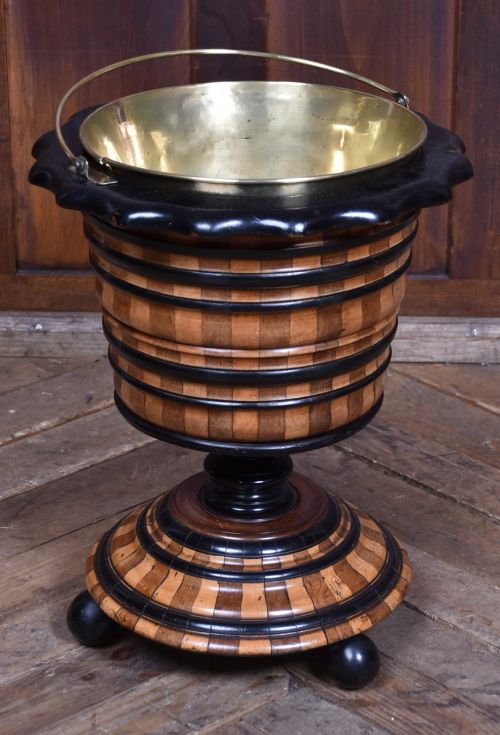
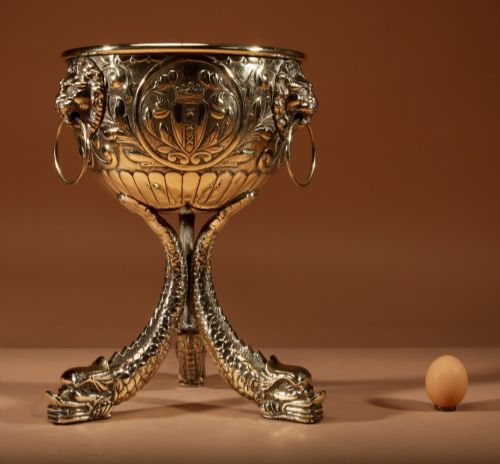
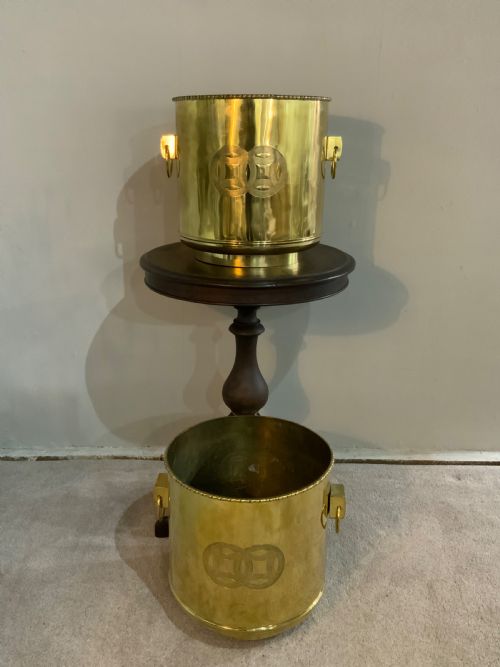


Brass Urn Planter
A brass urn planter brings metallic warmth and classical form to a room, holding greenery with the same dignity it held water or coal.
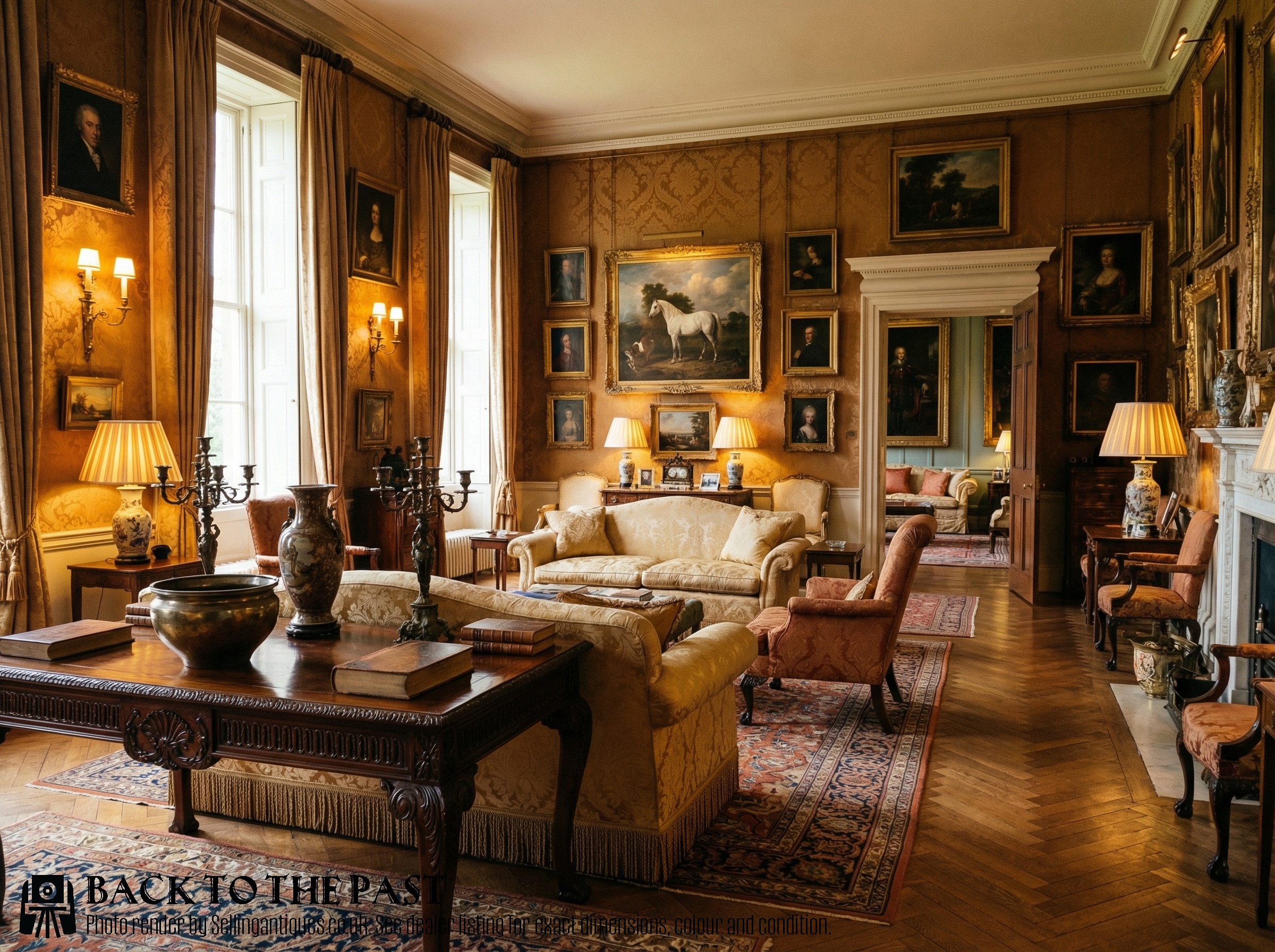
Brass Urn Planter
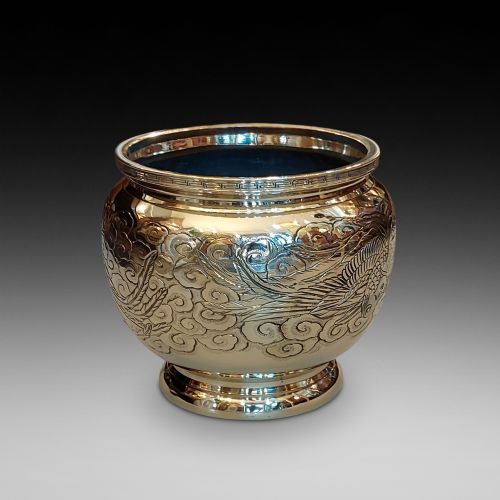
A brass urn planter takes classical vessel forms, from Greek craters to Renaissance vases, and adapts them to hold indoor plants and floral displays. You will find these pieces recorded across Victorian, Edwardian, and Georgian periods, alongside pieces from the nineteenth and twentieth centuries.
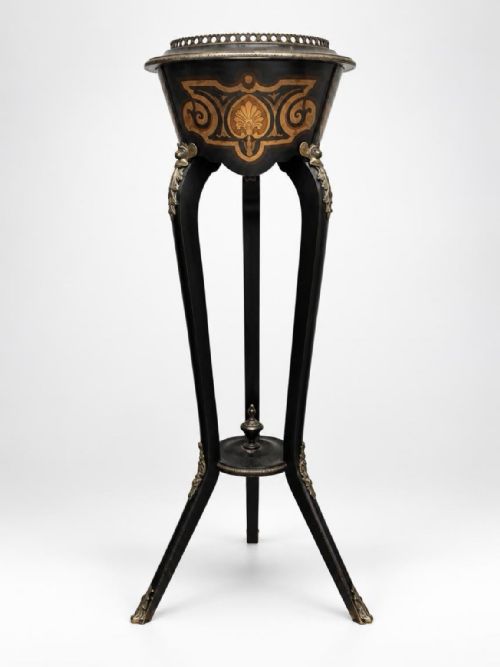
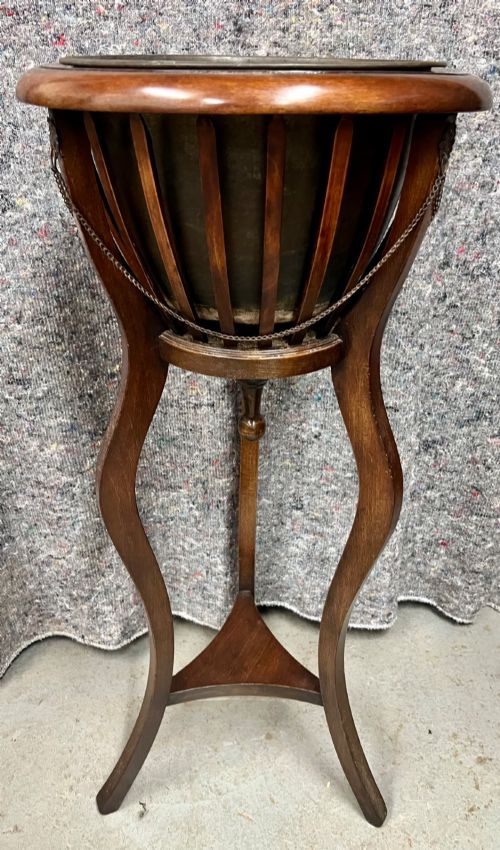
The objects listed under this description encompass jardinieres, plant stands, peat buckets, log tubs, and trophy vases. Brass dominates the selection, often accompanied by copper, mahogany, porcelain, and ebonised wood.
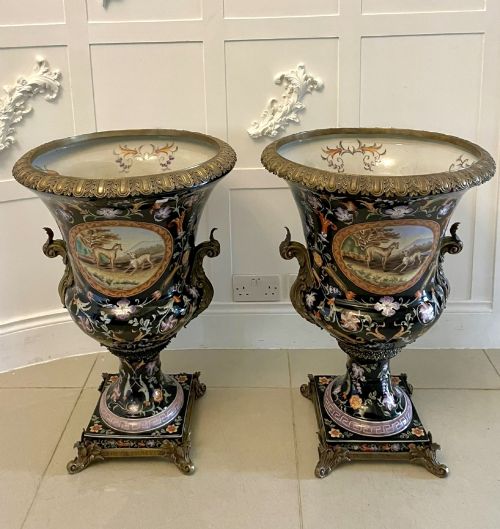
Styles vary widely across the inventory, ranging from plain Victorian and Edwardian examples to elaborate Dutch, Asian Revival, Renaissance Revival, and Gothic designs. The most frequently encountered pieces combine heavy brass vessels with fitted metal liners or wooden stands.
Materials and construction methods
Makers shaped these vessels using sheet brass and copper, joining seams with rivets or hammering the metal into dynamic forms. Cast brass elements provided sturdy bases, handles, and decorative mounts.
Woodworking played a significant role in many planters, incorporating mahogany, walnut, and mixed hardwoods for stands, staves, and inlaid bodies. Artisans also integrated porcelain, enamel, and cloisonne panels to enrich the metallic surfaces.
Brass Urn Planter Retail Price Guide 2026
Typical asking prices for brass urn planter among the pieces listed under this phrase on Sellingantiques today, from the lower quarter to the upper quarter. They describe what is for sale here now, not the wider market.
The inventory combines brass and copper with hardwoods like mahogany, alongside porcelain and cloisonne inserts spanning multiple centuries.
Distinctions in craftsmanship and design
Quality rests in the weight of the metal, the crispness of embossed or cast details, and the integrity of internal liners. Pieces displaying hand-hammered dinanderie work or detailed mounts reflect superior workshop hours.
The integration of materials also defines the hierarchy, where solid hardwoods and fine porcelain inserts elevate simple utility into decorative art. Lesser items rely on thin stamped metal without structural reinforcement or secondary supporting stands.
The Brass Urn Planter Glossary
- Jardiniere
- A large ornamental pot or stand designed to hold plants and flowers indoors. These vessels often sit on dedicated stands or feature integrated carrying handles.
- Dinanderie
- An early term for objects made of brass, copper, or bronze, particularly applied to medieval and later European metalwork involving hammering and embossing. It describes vessels formed from these mixed base metals.
- Peat bucket
- A deep container traditionally used to hold fuel for a fireplace, frequently adapted later in its life to serve as a planter or log bin. They often feature sturdy drop handles for lifting.
- Teestoof
- A Dutch foot warmer or warming stove that utilised charcoal, which collectors frequently repurpose as a small planter. These pieces typically include a metal liner.
- Ormolu
- Gilded bronze applied as a decorative mount on furniture and decorative objects. It provides bright golden highlights against dark woods or metal bodies.
Brass Urn Planter: Frequently Asked Questions
How do I clean antique brass?
Dust the surface regularly with a soft dry cloth to prevent grime accumulation in embossed details.
Avoid harsh chemical polishes that strip away historic patination and soften the definition of cast decorations.
Were these always meant for plants?
Many vessels began life as hot water urns, peat buckets, coal bins, or wine coolers before finding new utility.
Fitted brass liners often indicate an original secondary use related to liquids or damp materials.
How do I date a brass planter?
Examine the construction methods, such as hand-riveted seams, cast mounts, and underlying wood types.
Victorian and Edwardian examples often display heavier cast handles and distinct revival styles compared to earlier Georgian work.