




Antique Iron Trough
An antique iron trough is a heavy garden or estate vessel built to last, prized by planters for its rugged utility and patinated surface.
Antique Iron Trough
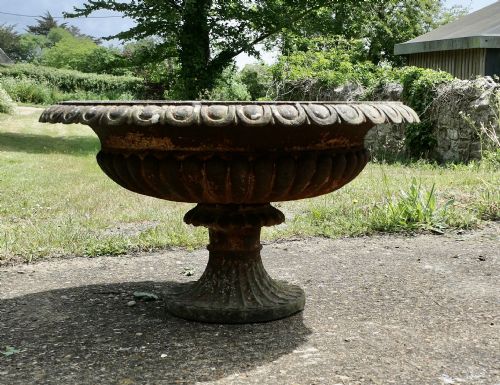
An antique iron trough serves as a robust container for gardens and conservatories, functioning primarily as a planter, jardiniere, or utilitarian washing vessel. When searching for an antique iron trough, buyers encounter various forms including nineteenth-century French cast examples, English garden urns, and sturdy wirework plant stands.
The objects span multiple periods from the Georgian era through to the twentieth century, reflecting both domestic agricultural use and ornamental garden design. Makers and manufacturers utilised durable metals to create vessels designed for heavy outdoor service, resulting in survivors that now populate patios and conservatory spaces.
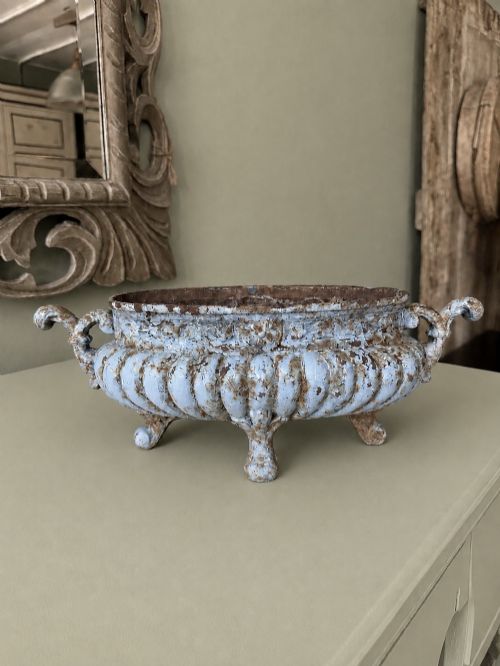
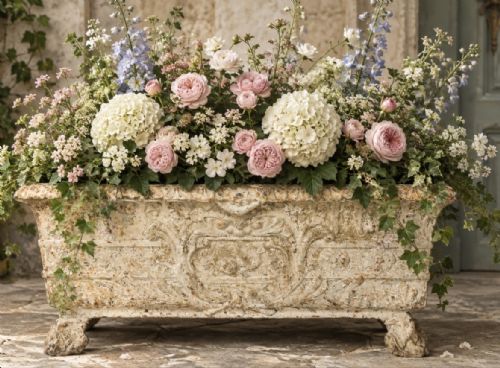
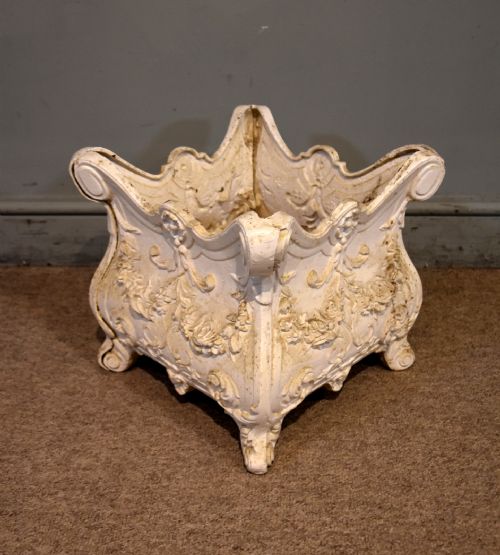
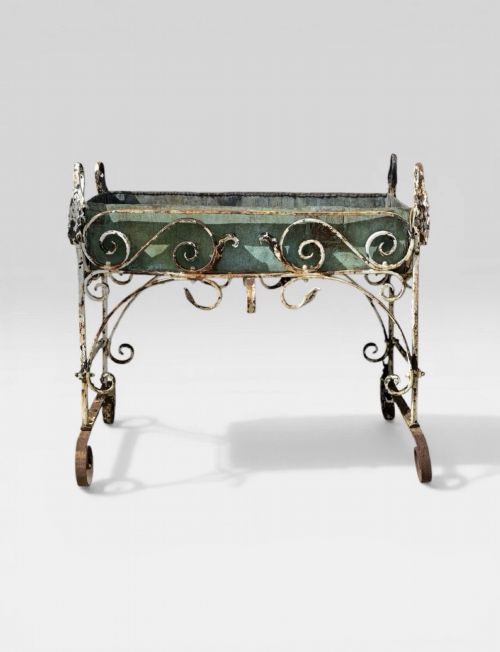
Most pieces function as garden planters or window boxes, though industrial and agricultural items such as hay racks and well buckets also appear within the category. The forms range from plain rectangular troughs to decorated urns and strapwork planters bearing traces of old paint or oxidised metal surfaces.
What varies in quality
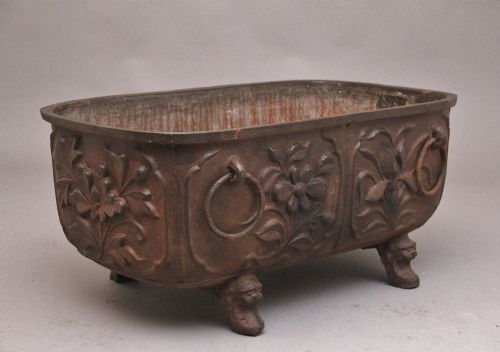
The thickness and structural integrity of the metal distinguish superior examples from lighter utility items, with heavy cast iron specimens offering greater longevity. Detail in the casting, such as clean decorative relief or well-defined moulding, separates ornamental garden pieces from standard industrial vessels.
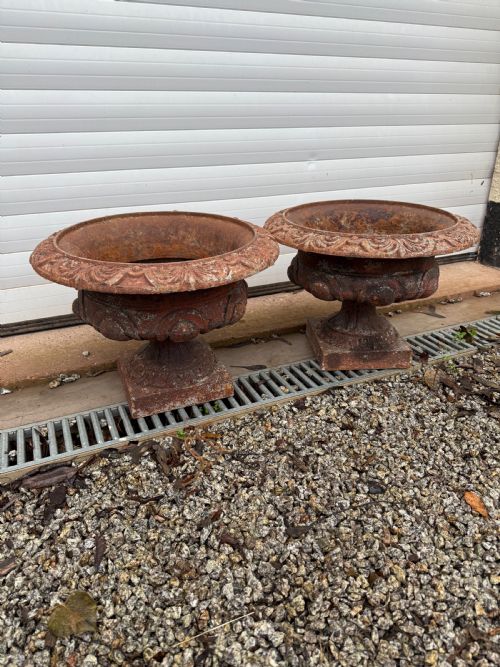
Surface condition and original assembly methods also define the tier of a piece, particularly where hand-forged wrought iron strapwork or intact early paint survives. Complete pairs and pieces bearing recognizable foundry work demonstrate higher status among similar utilitarian objects.
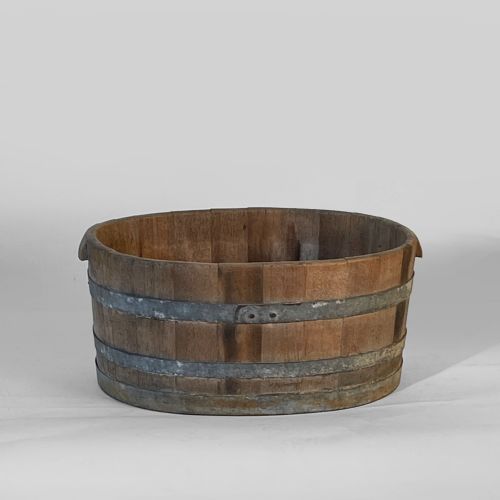
Several troughs retain traces of centuries-old agricultural use, doubling as former butler washing tubs and oyster buckets.
Coalbrookdale
The Antique Iron Trough Glossary
- Cast iron
- A hard, brittle alloy of iron and carbon poured into moulds to create solid garden urns and planters with decorative relief.
- Wrought iron
- Tough, malleable iron beaten into shape by a blacksmith, used for lighter structural frames, strapwork, and plant stands.
- Jardiniere
- An ornamental pot or trough designed specifically to hold growing plants or flowers within a garden or interior space.
- Strapwork
- Flat bands of metal riveted or joined together in geometric patterns to form the decorative exterior of a planter.
- Patina
- The surface texture and coloration developed on iron and paint through age, weathering, and long exposure to the elements.
Antique Iron Trough: Frequently Asked Questions
How do I plant directly in an iron trough?
Lining the interior with protective material helps prevent excessive moisture retention against the metal walls. Providing adequate drainage gravel at the base safeguards the root systems of planted specimens.
Regular checks on drainage holes ensure water does not pool inside the vessel during wet seasons. Selecting plants suited to container life keeps growth manageable within the bounds of the trough.
Can these troughs stay outside in winter?
Cast iron and wrought iron withstand cold temperatures well, provided water inside the vessel does not freeze and expand dangerously. Elevating the trough slightly on pot feet prevents ice from forming underneath the base.
Moving delicate wirework or sheet metal pieces into a greenhouse during severe frosts protects more vulnerable joints. Most heavy garden troughs remain outdoors year-round without sustaining structural harm.
How should I clean an old iron planter?
Brushing away loose dirt and debris with a soft-bristled brush preserves the historic surface layers and accumulated patina. Avoiding harsh chemical cleaners prevents damage to surviving traces of early paint or oxidised finishes.
Applying a light coat of protective oil or wax helps stabilise bare metal surfaces exposed to garden moisture. Gentle washing with water suffices for routine seasonal maintenance.
How do I identify a nineteenth-century piece?
Examination of the metal casting reveals manufacturing traits typical of nineteenth-century foundry work, such as heavier walls and sand-cast textures. Design motifs often incorporate classical urn shapes, Gothic revival panels, or rustic branch patterns.
Comparing construction joints on wrought iron examples shows hand-forged fixings rather than modern machine welds. Traces of layered lead paint often indicate greater age under microscopic inspection.