



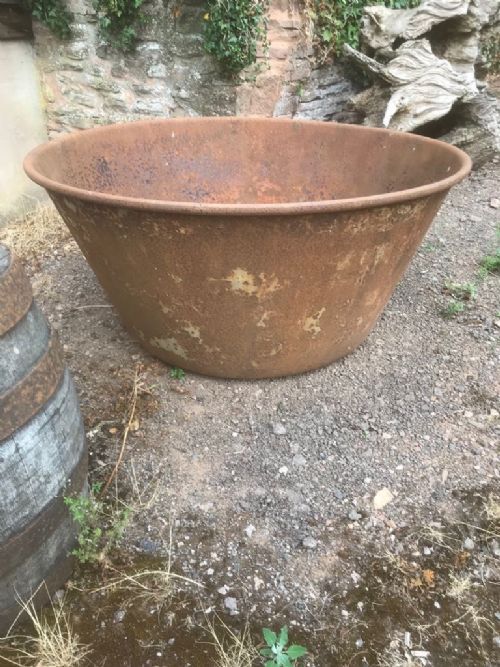

19th Century Iron Basin
These 19th century iron basin examples combine industrial utility with period character, offering robust forms for garden and interior display.
19th Century Iron Basin
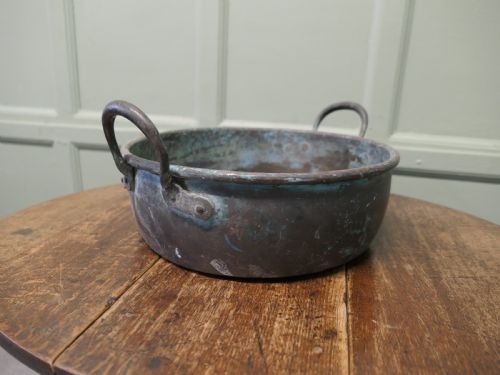
When you search for a 19th century iron basin, you encounter utilitarian and decorative vessels shaped by Victorian industrial and rustic farmhouse traditions. These objects encompass garden planters, footbaths, and specialised vessels utilised in domestic and temple settings.
The selections on this page span heavy cast iron forms and related metalwork, reflecting the diverse functional demands of the nineteenth century. Pieces range from large ornamental garden planters to specialised copper and steel containers styled in Victorian and Arts and Crafts aesthetics.
Originating across English, Chinese, and Japanese traditions, these basins demonstrate how functional metalware crossed international boundaries during the period. Buyers frequently find heavy cast iron examples alongside allied copper and steel items serving equivalent horticultural or domestic roles.
How they were made
Makers utilised cast iron, sheet iron, steel, and copper to construct these durable vessels, often employing casting and hammering techniques suited to heavy metalwork. Surfaces received finishes including natural verdigris, applied paint, and decorative script inscriptions.
Construction methods combined structural metal framing with specialised treatments, such as coopered wooden elements on allied washing tubs or intricate hand-painted porcelain integration on ceramic jardiniere counterparts.
19th Century Iron Basin Retail Price Guide 2026
Typical asking prices for 19th century iron basin among the pieces listed under this phrase on Sellingantiques today, from the lower quarter to the upper quarter. They describe what is for sale here now, not the wider market.
Listings feature periods spanning 1850 to 1880 alongside general 19th century examples, utilising iron, copper, steel, paint, and oak materials.
What varies in quality
The distinction between standard utility vessels and superior examples rests upon the integrity of the casting, the preservation of original surface finishes, and the presence of distinct cultural markers like cast script. Heavier metal gauge and purposeful ornamental detailing elevate a piece from basic workshop output to a considered decorative object.
Proportion and structural completeness dictate the standing of each basin, where intact original stands, balanced proportions, and stable patination determine how successfully the object retains its historical utility and visual weight.
The 19th Century Iron Basin Glossary
- Cast iron
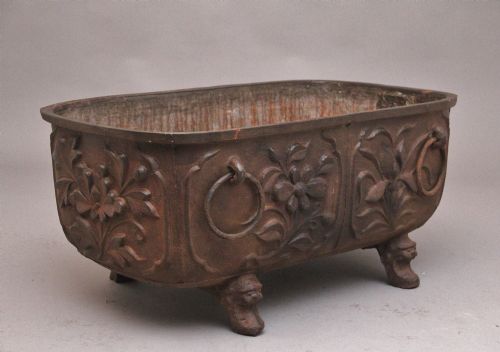
- An iron-carbon alloy poured into a mould to create complex, heavy forms such as garden planters and temple baths. This material provided exceptional durability for nineteenth-century utility ware.
- Jardiniere
- An ornamental pot or stand designed to hold live plants or flowers, frequently rendered in metal or porcelain during the Victorian period. These vessels often served as focal points in period conservatories and parlours.
- Verdigris
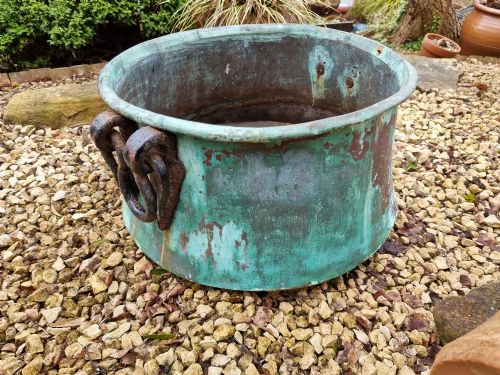
- A green patina formed naturally on copper, brass, or other alloy surfaces through atmospheric oxidation. Collectors often value this chemical weathering for its aged aesthetic.
- Scrumbled
- A paint finish involving the dragging or softening of translucent layers over a contrasting base to imitate natural grain or texture. This technique appeared on metal footbaths and domestic items.
- Coopered
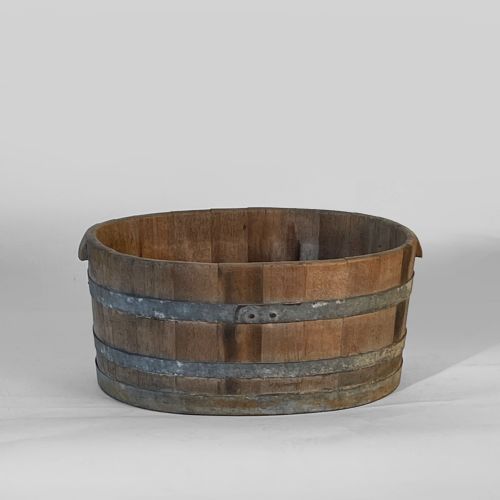
- Constructed from wooden staves bound together with metal hoops, following traditional barrel-making methods. This technique applied to washing tubs and oyster buckets.
19th Century Iron Basin: Frequently Asked Questions
How were these metal basins originally used?
Nineteenth-century metal basins served diverse functions ranging from domestic washing and preserving food to bathing and holding garden plants.
Heavier cast iron and copper vessels handled rigorous daily tasks in kitchens and commercial settings, while ornamental versions populated Victorian gardens and interiors.
Where do these 19th century iron basin examples originate?
The pieces originate from various domestic and international workshops spanning English, Chinese, and Japanese traditions.
Industrial hubs and local foundries produced utilitarian forms, while export markets supplied decorative jardiniere styles.
How do I care for a historic metal basin?
Maintenance requires stable indoor or sheltered outdoor environments to protect the underlying metal and any patinated surface finishes.
Avoid abrasive cleaners that strip historic verdigris or painted layers, preferring dry dusting or gentle cleaning methods suited to antique metalwork.
Can I use these antique planters outdoors?
Many cast iron and heavy metal planters tolerate outdoor placement if they are protected from standing water and severe frost damage.
Evaluating the specific metal thickness and existing corrosion helps determine whether a vessel suits garden display or interior placement.