







Qing Dynasty Lacquer Box
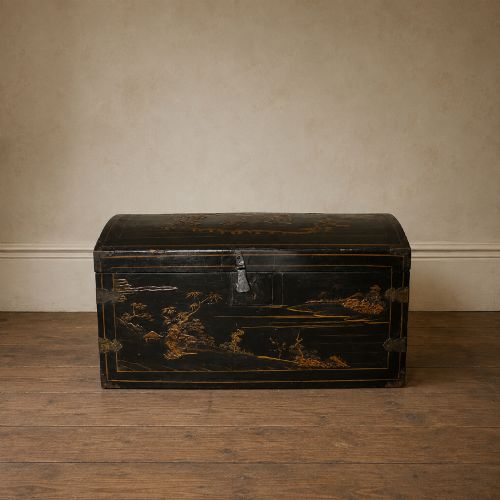
A qing dynasty lacquer box brings layered sap finishes and gilt motifs to a room, offering both decorative depth and practical storage for small treasures.
Qing Dynasty Lacquer Box
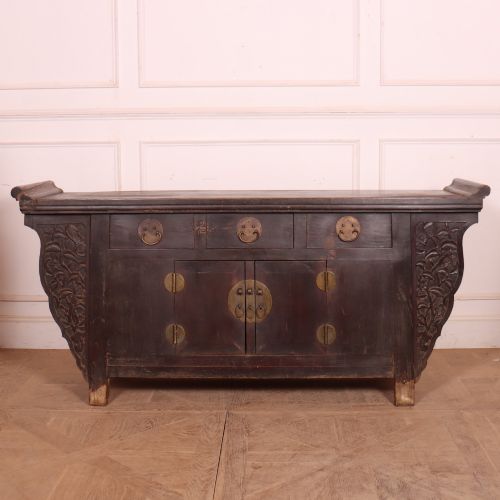
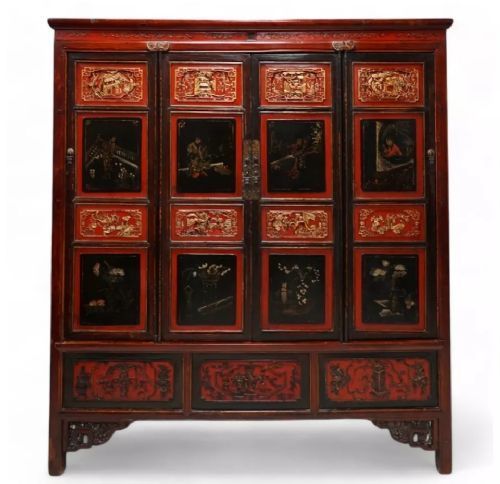
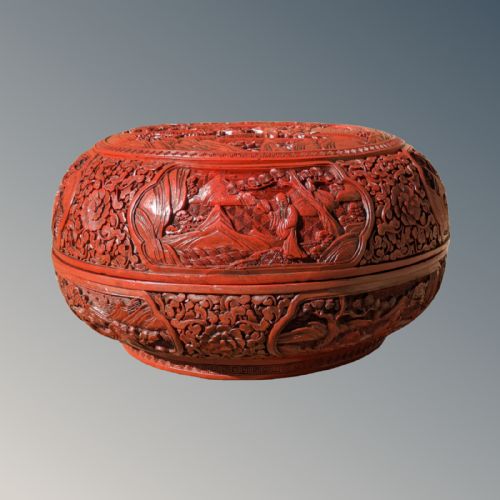
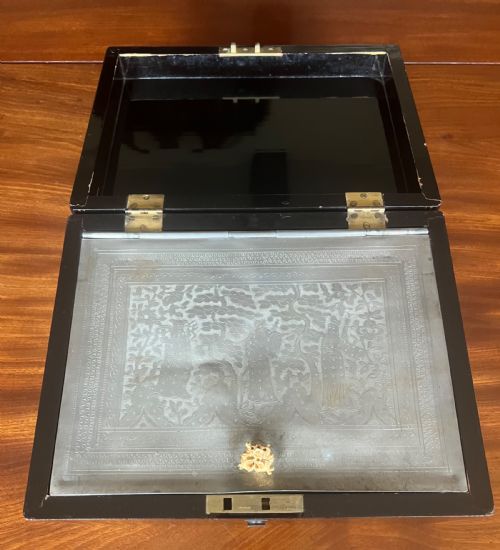
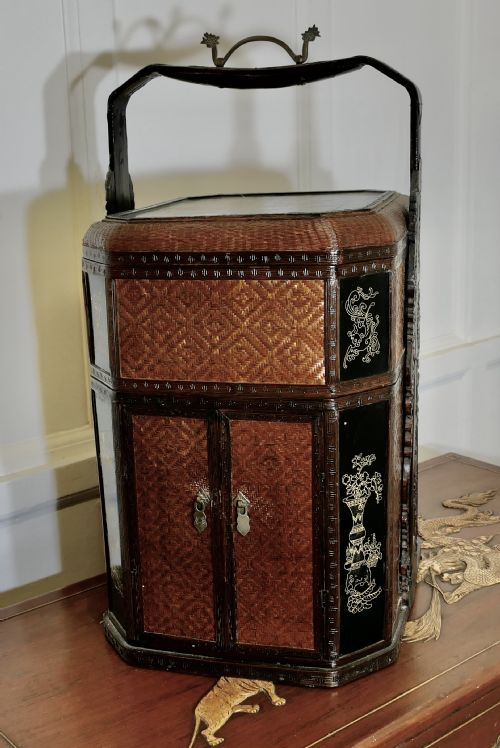
A qing dynasty lacquer box takes many forms in this selection, ranging from small trinket boxes and tea caddies to larger lidded boxes and decorative coffers. These pieces span the eighteenth century, nineteenth century, and early twentieth century, showing both domestic forms and items made for export.
Buyers will find traditional lidded boxes alongside tea caddies, sewing boxes, and trinket cases. The physical evidence shows these objects arriving through periods marked as Victorian or nineteenth century, reflecting global trade routes and taste.
The styles recorded across the items include Chinese export, Qing dynasty, Chinese regional, and Chinese traditional. Each piece demonstrates the functional arts of the period, designed to store documents, jewellery, or tea while displaying intricate surface work.
Assessing quality in lacquerware
Quality rests in the depth and stability of the lacquer surface, the precision of the gilt or carved decoration, and the integrity of the underlying wooden structure. Pieces with crisp carving in cinnabar or well-preserved gold leaf on black grounds demonstrate superior craftsmanship.
The condition of the hinges, interior compartments, and original brass hardware also determines the standing of an item. A well-maintained surface without excessive flaking holds greater presence and structural honesty.
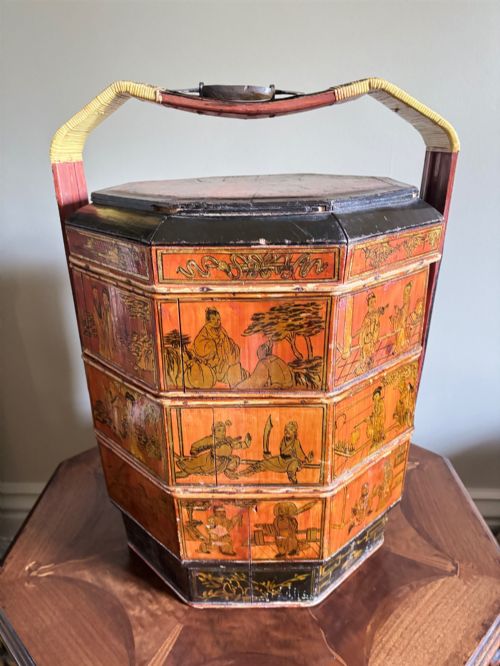
One recorded wedding box weighs an impressive 3.4kg, ensuring the bride arrived with very heavy provisions indeed.
The Qing Dynasty Lacquer Box Glossary
- Lacquer
- A durable finish made from the processed sap of the toxicodendron vernicifluum tree. It cures into a hard, glossy coating that resists moisture and wear.
- Cinnabar
- A bright scarlet mineral form of mercuric sulphide used to create thick layers of red lacquer for carving. Artisans carve deep relief scenes directly into the hardened material.
- Tea Caddy
- A small lidded container designed to store loose tea leaves safely. These boxes often feature internal compartments and secure locks.
- Gilt
- A thin application of gold leaf or gold powder used to embellish surfaces. It catches the light and highlights painted motifs against dark lacquer.
- Export
- Goods manufactured in China specifically for western markets. These items often blend traditional techniques with shapes suited to European homes.
Qing Dynasty Lacquer Box: Frequently Asked Questions
What were qing dynasty lacquer boxes used for?
These boxes served practical roles for storing valuable items, documents, and consumables. Tea caddies preserved precious leaves, while trinket and jewellery cases held personal adornments.
Larger coffers and chests accommodated textiles and papers. Their durable lacquer surfaces protected the contents from moisture and insects in domestic settings.
How do I care for lacquer boxes?
Keep lacquerware away from direct sunlight, extreme temperature fluctuations, and high humidity to prevent cracking. Dust the surface gently with a soft, dry cloth without using liquid cleaners or polishes.
Maintain stable indoor conditions to preserve the integrity of the wood substrate and the delicate lacquer layers.
How can I tell periods apart?
Dating relies on stylistic shifts, hardware types, and construction methods recorded in the evidence from the eighteenth through the early twentieth century. Earlier pieces often display restrained export motifs or deep carved cinnabar.
Later Victorian and early twentieth-century examples incorporate different brass fixtures and regional variations. Comparing the baseline materials, such as elm or bamboo cores, helps establish a chronological context.
Are these boxes waterproof?
Cured tree sap creates a tough, moisture-resistant barrier that protects against accidental spills and damp conditions. However, historic pieces may have hairline cracks or shrinkage in the wood base.
Because of their age and the presence of gilt or painted decoration, these items require careful handling rather than exposure to heavy water.