
Chinese Export Antiques
Chinese export antiques bridge centuries of craftsmanship between Eastern artistry and Western taste, offering the collector porcelain, silver, and furniture made to travel.
Chinese Export Antiques
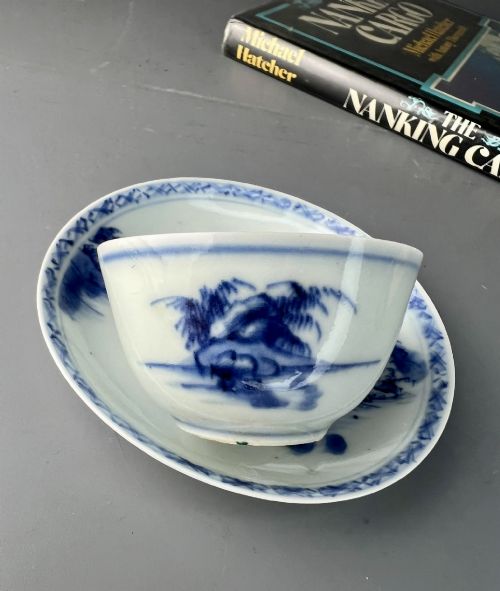
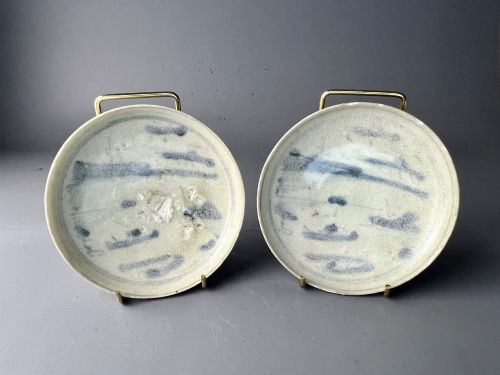
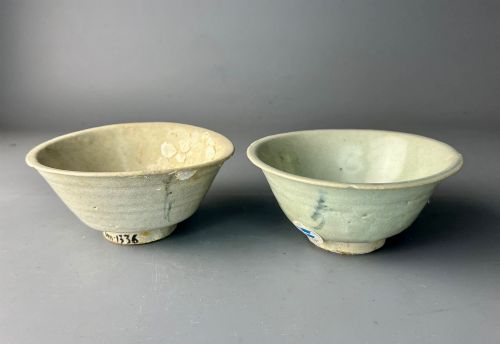
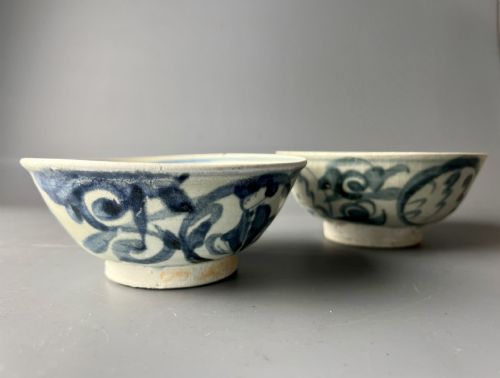
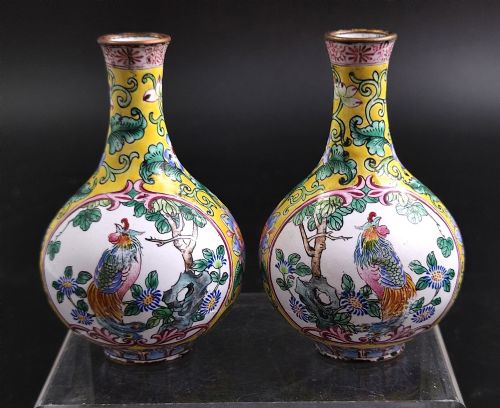
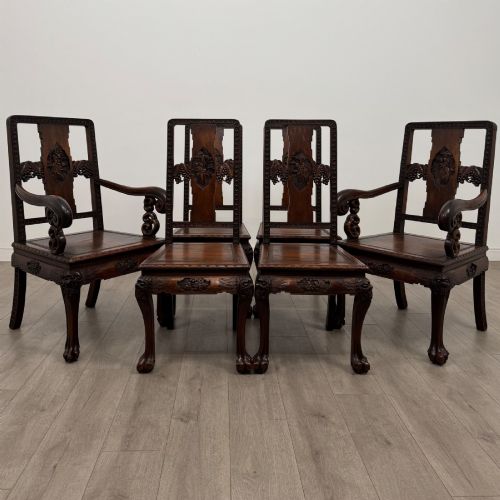
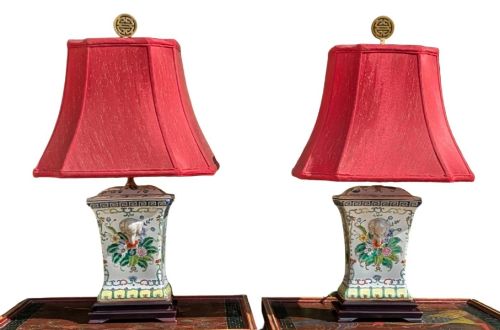
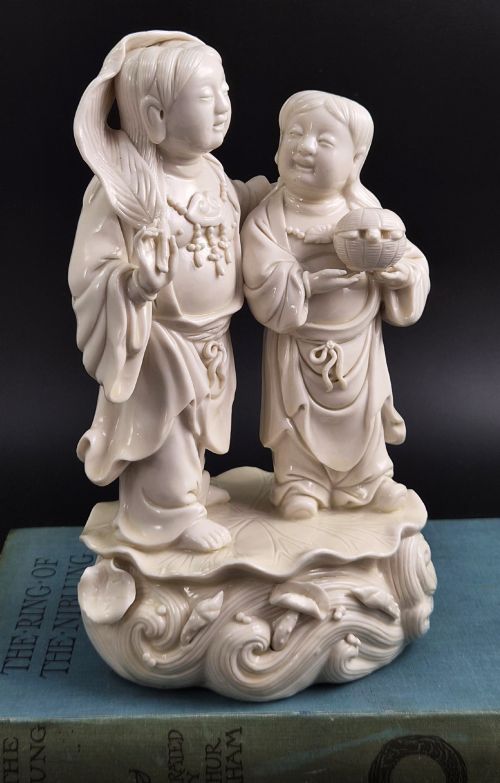
When buyers search for chinese export antiques, they encounter a diverse range of objects created in East Asia specifically for Western markets from the seventeenth century through the early twentieth century. The selection spans delicate porcelain dishes and armorial services to substantial rosewood furniture, camphor wood chests, and intricate silver work. These items demonstrate a fascinating cross-cultural dialogue where Eastern makers adapted traditional motifs to suit European and British interiors.
How they were made
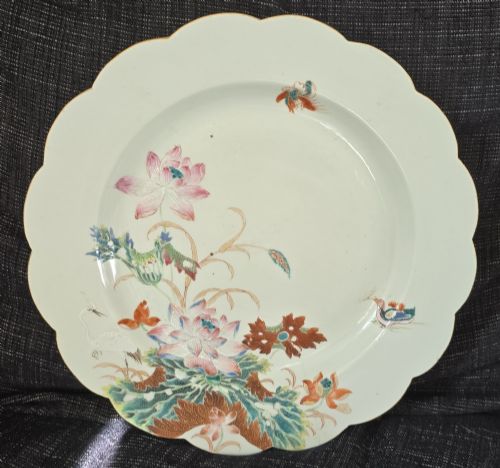
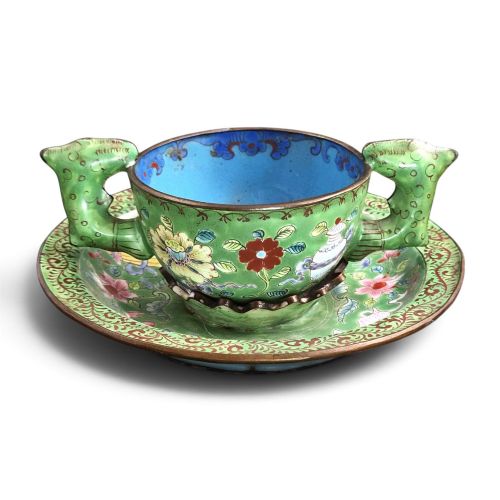
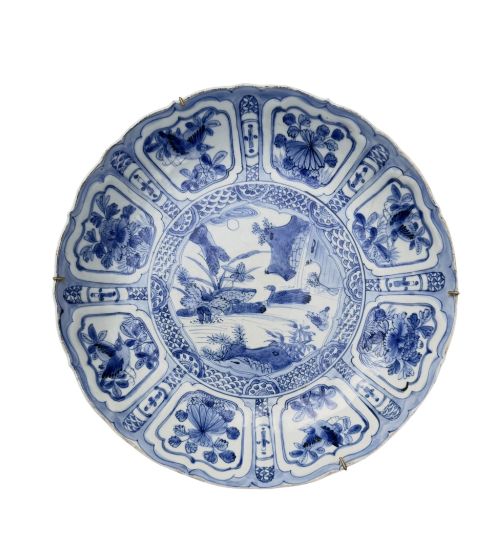
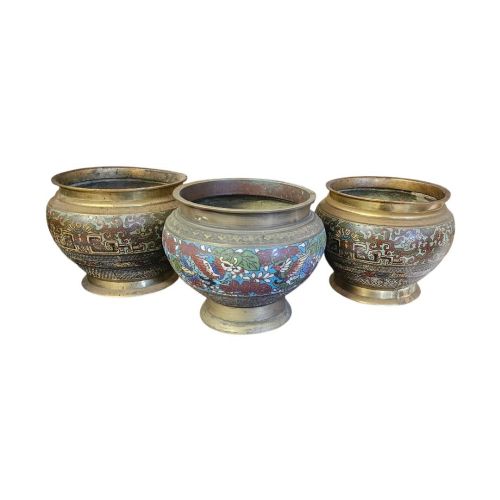
The making of these objects relied upon specialised regional techniques in porcelain production, metalwork, and cabinetmaking. Artisans shaped kaolin clay into Kraak and Famille Rose vessels before glazing and firing them at high temperatures, frequently adding hand-painted enamels or gilt highlights. Metalworkers utilised repoussé and casting methods for white metal, silver, and bronze items, often incorporating champlevé enamel to create rich surface decoration.
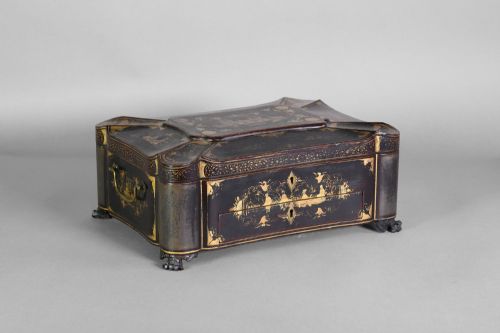
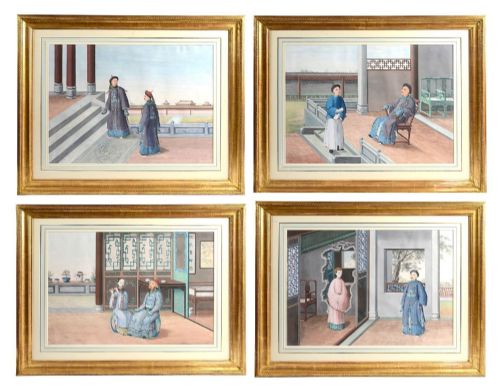
Cabinetmakers constructed furniture using dense timbers such as rosewood and camphor wood, employing intricate joinery alongside mother of pearl inlay and faux bamboo carving. Painters applied gouache onto pith paper to record local scenes, while needlework boxes and lacquered pieces demonstrated meticulous surface finishing. Each material required distinct mastery, from the precise control of the ceramic kiln to the delicate setting of silver and jade.
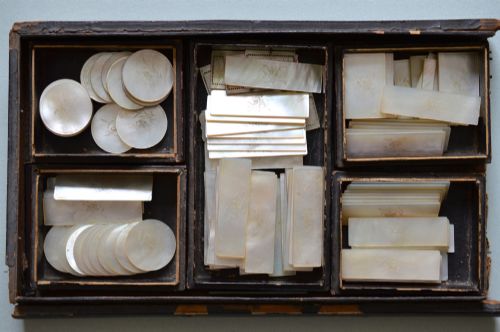
Nineteenth-century gaming counters provided Regency card players with durable mother of pearl tokens to track high stakes.
What varies in quality
The distinction between ordinary and exceptional pieces lies in the crispness of execution and the fidelity of the handwork. In porcelain and enamels, superior examples display controlled brushwork, vibrant pigments that remain stable within the glaze, and finely finished foot rims. Lesser items show hurried painting, muddy colour separation, or inconsistent firing flaws that betray mass production for export markets.
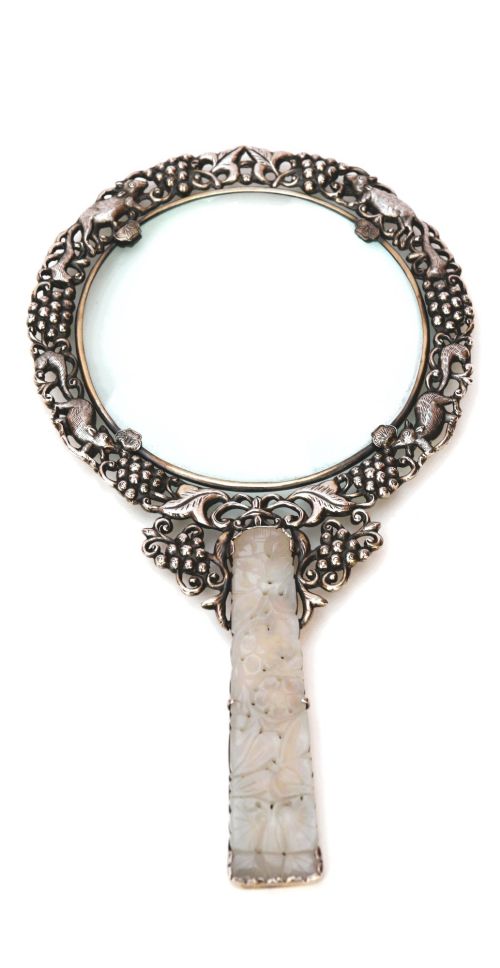
For silver and metalwork, quality reveals itself through the depth of the chasing, the weight of the white metal, and the secure mounting of stones such as jade. Furniture quality depends upon the stability of the timber, the precision of mother of pearl inlay, and the retention of original brass or ormolu mounts. Pieces produced by recognised makers or carrying specific period ciphers generally exhibit a higher standard of structural integrity.
Edwards & Roberts·Samson Paris
The Chinese Export Antiques Glossary
- Famille Rose
- A palette of opaque enamels dominated by pink or rose colours, introduced during the Qing dynasty. This ceramic decoration technique allowed for subtle tonal gradations in floral and figural scenes.
- Kraak porcelain
- Chinese export porcelain produced mainly during the Wanli period, typically featuring panelled blue and white designs. It arrived in Europe via Portuguese merchant ships.
- Champlevé
- An enamel technique where troughs are carved into a metal surface and filled with vitreous paste before firing. The method produces bold coloured patterns bounded by thin metal lines.
- Pith paper
- A delicate material cut from the pith of the Tetrapanax papyrifer plant, used in nineteenth-century Canton for gouache paintings. It possesses a velvety texture that absorbs watercolour brilliantly.
- White metal
- An alloy used in various Asian export wares, often containing silver alongside other base metals. It provides a durable medium for intricate chased tea services and decorative boxes.
Chinese Export Antiques: Frequently Asked Questions
What defines chinese export antiques?
These pieces represent goods manufactured in China specifically for export to Western buyers, combining traditional Eastern techniques with European aesthetic requirements.
They encompass a wide variety of domestic and decorative objects, including porcelain dinner services, silver accessories, and lacquered furniture.
How do I date porcelain pieces?
Dating relies upon examining the style of painting, the clay body, glaze characteristics, and any reign marks found on the base. Many items reference earlier emperors like Kangxi or Qianlong while actually dating from the nineteenth century.
Consulting the specific form and cobalt blue or enamel palette helps place the object within its correct manufacturing period.
Were these items used in British homes?
Yes, prosperous households utilised these imported goods as status symbols for dining, tea ceremonies, and interior decoration. Items like gaming counters, writing boxes, and occasional tables became staples of Regency and Victorian drawing rooms.
Their integration into British decor reflected a lasting fascination with Eastern artistry and global trade.
How should I care for wooden furniture?
Keep wooden pieces away from direct sunlight and sudden temperature changes to protect delicate rosewood and camphor wood surfaces. Regular dusting with a soft, dry cloth preserves the finish without damaging mother of pearl inlay.
Avoid using harsh chemical polishes that can degrade historical lacquers and applied ornaments.