


Qing Dynasty Inlaid Table
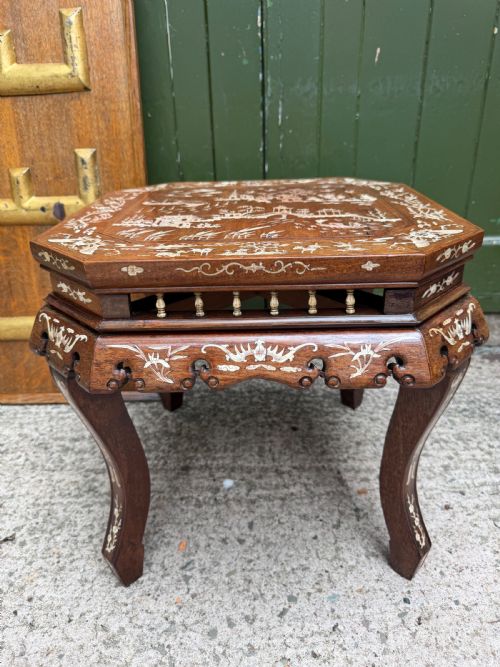
A qing dynasty inlaid table brings dense hardwood and shimmering mother-of-pearl together into functional surfaces designed to catch the light.
Qing Dynasty Inlaid Table
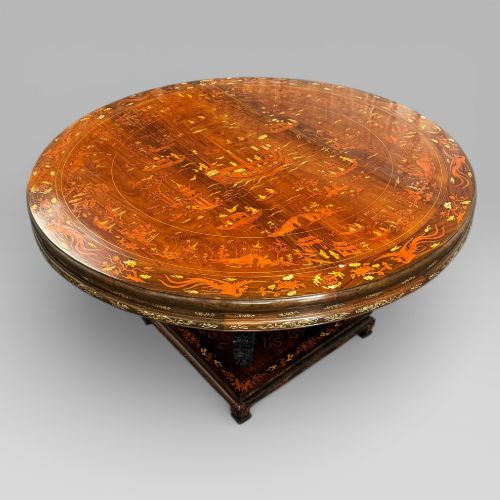
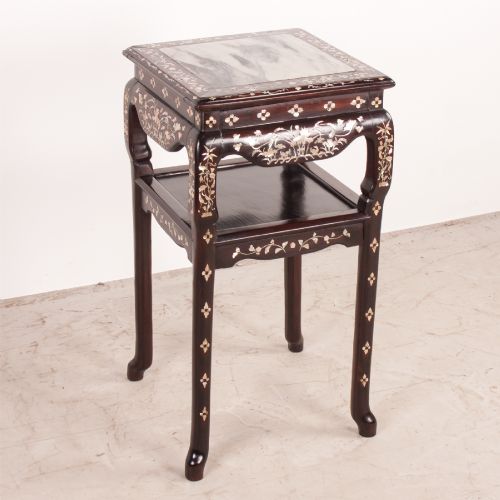
A qing dynasty inlaid table encompasses centre tables, occasional tables, and drum-shaped drum tables constructed from dense timbers such as rosewood and hongmu. These pieces carry intricate mother-of-pearl or fruitwood decoration across their tops and borders.
The examples found here span the nineteenth century and the early twentieth century, showing both domestic Chinese scholarly taste and Chinese export production destined for Western interiors. Forms vary from simple three-tier occasional tables to substantial marble-topped centre pieces.
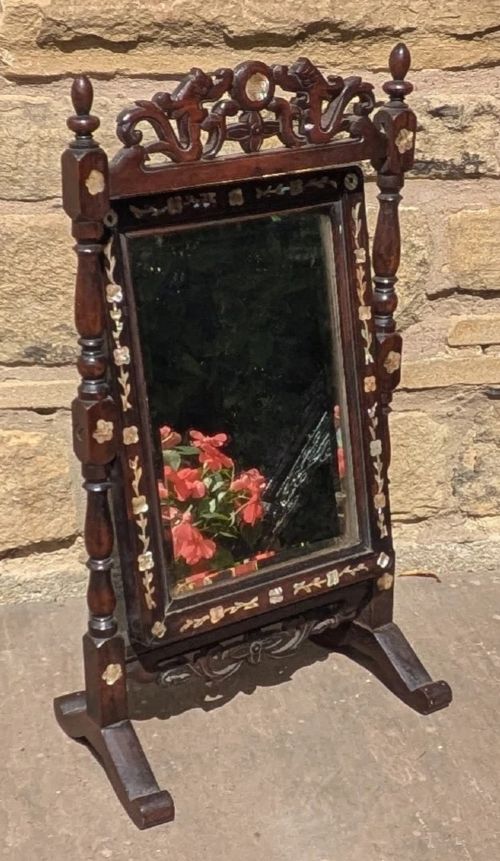
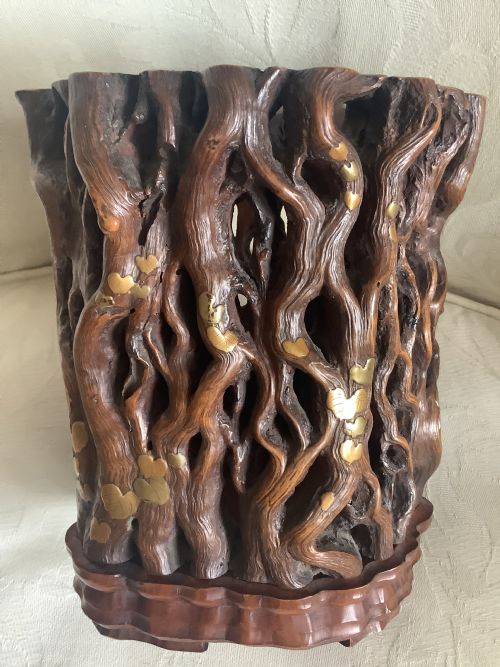
Alongside standard tables, the selection includes related hardwood furnishings sharing identical decorative idioms, such as plant stands and barrel-shaped drum tables.
Materials and construction
Construction relies on heavy, dense hardwoods that provide a stable dark ground for contrasting decoration. Artisans set thin iridescent flakes of mother-of-pearl directly into hand-cut recesses within the timber surface.
Secondary decorative elements incorporate fruitwood inlay, brass, and inset marble panels secured within solid wooden frames. Joinery prioritises rigid stability to support the heavy stone inserts and dense timber construction.
Some tables double as drums, proving that Qing craftsmen believed your tea table should also be ready to keep a steady beat.
Judging quality
Quality rests upon the precision of the inlay work and the depth of the timber carving. Tighter joints and more intricately detailed mother-of-pearl patterns distinguish superior workshop output.
The choice of primary wood dictates the baseline quality of the piece, with heavier rosewood and hongmu carrying greater presence than simpler secondary hardwoods.
Edwards & Roberts
The Qing Dynasty Inlaid Table Glossary
- Hongmu
- A category of dense, heavy Chinese hardwoods prized for dark colour and fine grain. Artisans utilise this timber for high-status Qing dynasty furniture.
- Mother-of-pearl
- The iridescent inner layer of mollusc shells, cut into thin sections for ornamental inlay. This material catches the light against dark timber backgrounds.
- Centre table
- A freestanding table finished on all sides intended to stand away from walls. These pieces serve as functional focal points within principal rooms.
- Occasional table
- A smaller, movable table designed for specific intermittent uses such as holding tea or display objects. They appear in multi-tiered formats across the nineteenth century.
Qing Dynasty Inlaid Table: Frequently Asked Questions
How do I date a qing dynasty inlaid table?
Dating relies upon timber selection, inlay technique, and overall form matching nineteenth-century conventions. Earlier pieces often display denser rosewood framing and more restrained scholarly motifs.
Changes in export tastes towards the end of the century introduced busier mother-of-pearl patterns and multi-tier structures.
Where should I place a centre table?
Centre tables are designed to sit freestanding in the middle of a room or space where all sides remain visible. Their finished timber backs and detailed tops allow 360-degree appreciation.
Ensure placement avoids direct heat sources to protect the inlaid mother-of-pearl and timber joints.
How do I care for inlaid hardwood?
Maintain stable indoor humidity levels to prevent the dense hardwood from expanding and cracking around the mother-of-pearl inlays. Dust regularly with a dry microfibre cloth.
Avoid chemical polishes that can seep into the recesses and loosen the shell fragments over time.