




Inlaid Wooden Stool
An inlaid wooden stool brings intricate craftsmanship and rich timber into a room, offering both a practical seat and a decorative focal point.
Inlaid Wooden Stool
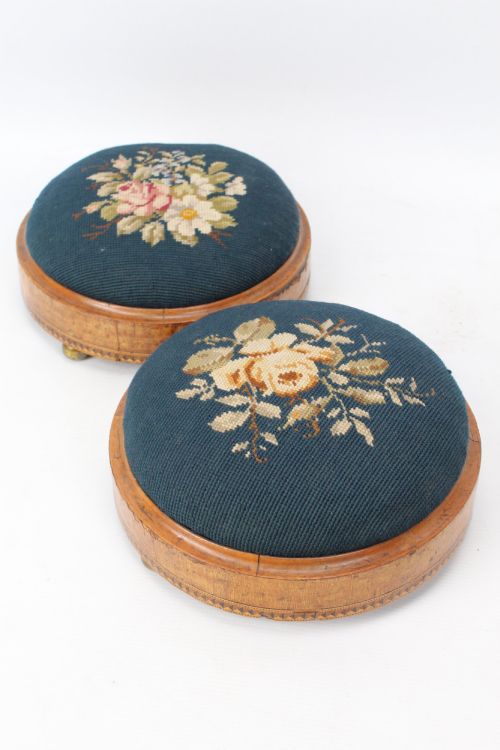
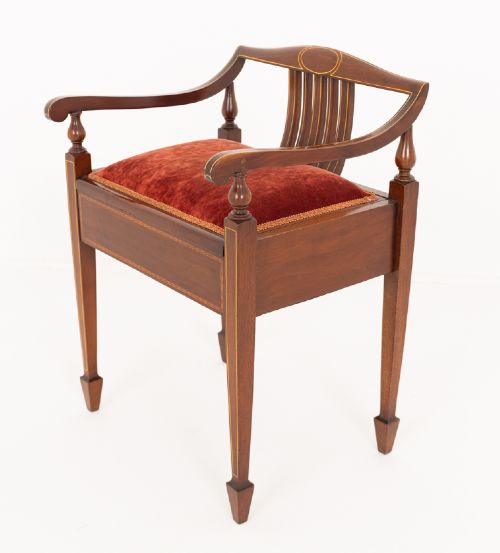
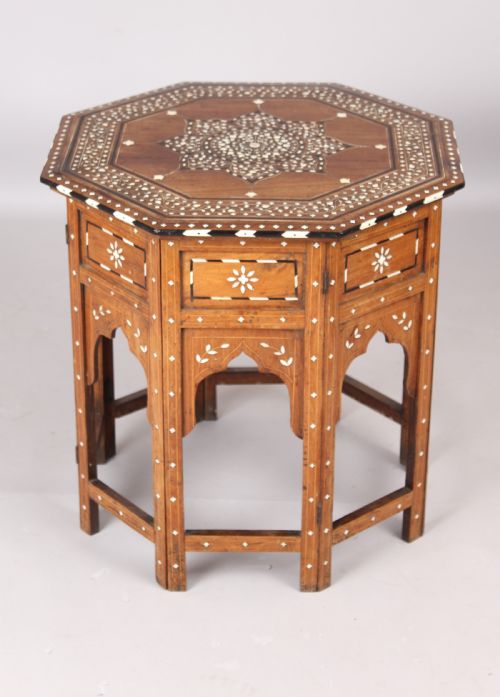
When you search for an inlaid wooden stool, you are looking at seating pieces that incorporate decorative surface embellishments into timbers such as mahogany, walnut, and oak. These items span periods from the nineteenth century through the Edwardian era, showing diverse regional influences including Syrian, Anglo-Indian, and Sheraton Revival styles.
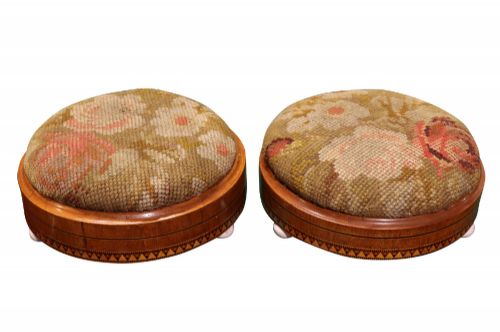
The most common forms you will meet on this page are circular footstools, piano stools, and fender stools, alongside occasional window seats. They combine sturdy wooden frames with upholstery ranging from leather and fabric to needlepoint and kilim tapestry.
Makers utilised various traditional techniques to integrate contrasting materials into the wood, creating geometric and floral patterns that define the aesthetic of each piece. Whether designed for the fireside or the music room, these stools reflect the detailed craftsmanship of their respective periods.
How they were made
Makers built the foundational structures using dense hardwoods like mahogany and walnut, ensuring stability for daily use as footstools or piano seating. Joinery techniques varied from traditional framing to turned supports, depending on the prevailing style and period.
Surface ornamentation involved recessing contrasting materials into the timber. Craftsmen utilised mother-of-pearl, bone, and lighter wood veneers to form intricate patterns, securing them flush with the polished wooden surface.
Listings feature pieces from the nineteenth century through the Edwardian period, utilising mahogany, walnut, bone, and mother-of-pearl across various revival styles.
What varies in quality
The standard of an inlaid wooden stool is determined by the precision of the joinery and the complexity of the surface decoration. Finer pieces display tightly fitted veneer work and securely seated inlay elements that remain flush with the surrounding timber.
The choice of materials and the integrity of the underlying woodwork also differentiate examples. Well-preserved upholstery, such as original needlepoint or leather, adds to the character of the piece while maintaining its structural purpose.
The Inlaid Wooden Stool Glossary
- Inlay
- A decorative technique where small pieces of contrasting materials are inserted into recessed cavities in a wooden surface to form a pattern.
- Sheraton Revival
- A late nineteenth and early twentieth-century design style inspired by the neoclassical furniture of George Sheraton, often featuring refined mahogany and delicate ornamentation.
- Tunbridge Ware
- A distinct type of nineteenth-century woodwork characterised by intricate mosaic patterns made from many tiny pieces of naturally coloured wood.
- Fender stool
- A low, long seat specifically designed to sit along the hearth or fireplace fender in a nineteenth-century interior.
- Hoshiarpur
- A North Indian centre known for intricate woodwork featuring detailed bone and mother-of-pearl inlay, popular during the nineteenth century.
Inlaid Wooden Stool: Frequently Asked Questions
What is an inlaid wooden stool?
An inlaid wooden stool is a small seating piece featuring decorative surface work embedded into timbers such as mahogany or walnut. These items include footstools, piano stools, and fender stools.
They combine functional seating with detailed craftsmanship, often incorporating materials like mother-of-pearl, bone, or contrasting wood veneers.
How were inlaid wooden stools used?
These stools served practical purposes in period homes, functioning as footrests by the fireside or adjustable seating for piano players. Their compact size allowed them to be moved easily around the room.
Beyond utility, they acted as decorative accents that showcased the owner's taste for intricate global or revival styles.
How do I tell different periods apart?
Dating these pieces relies on observing the combination of timber, upholstery materials, and stylistic motifs. Victorian examples often feature heavy walnut and rich tapestry work, while Edwardian pieces lean towards lighter mahogany and refined Sheraton Revival details.
Construction methods and the specific type of inlay also provide clues to the era of manufacture.
How do I live with an antique stool?
Living with these pieces involves placing them where they receive minimal direct sunlight and stable humidity to protect the wood and delicate inlay work. Regular gentle dusting preserves the polished timber finish.
While sturdy enough for occasional seating or resting feet, antique textiles may benefit from careful handling to maintain their original condition.