
Qing Dynasty Figures
Tangible history rests in every qing dynasty figures collection, capturing centuries of imperial craftsmanship through carved stone, bronze, and delicate porcelain.
Qing Dynasty Figures
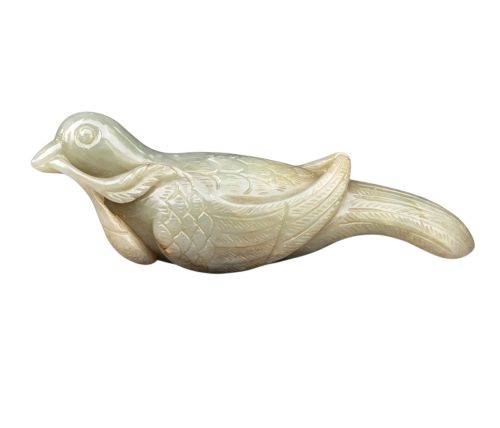
Buyers seeking qing dynasty figures encounter a diverse array of sculptural forms depicting deities, immortals, scholars, and mythological beasts originating primarily from the eighteenth and nineteenth centuries.
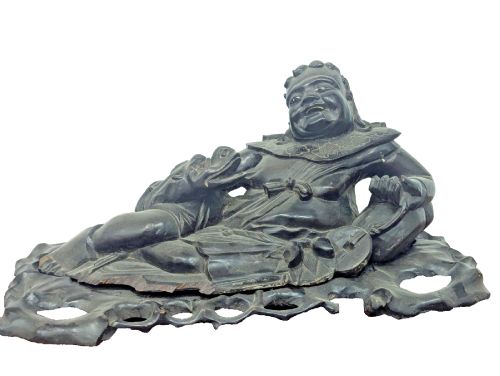
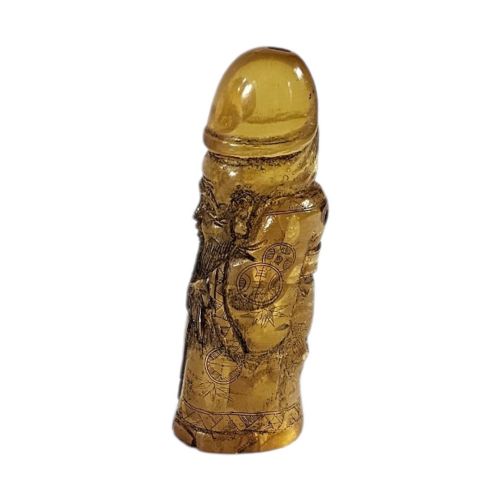
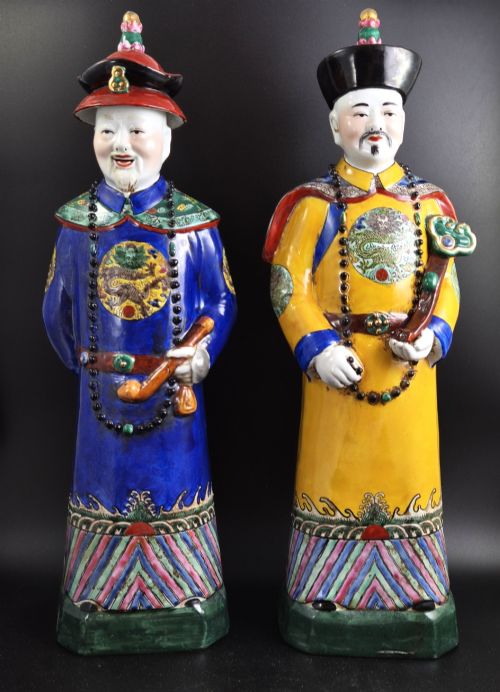
The selection ranges from small jadeite and amber pendants to monumental hardwood carvings of Daoist immortals and large porcelain figures bearing imperial or regional marks.
Craftsmanship spans multiple traditional mediums, reflecting the extensive aesthetic output of the Qing dynasty and subsequent export markets.
Materials and construction methods
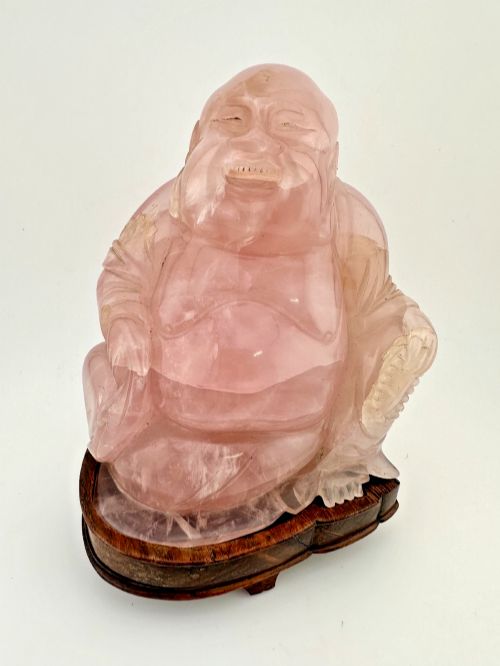
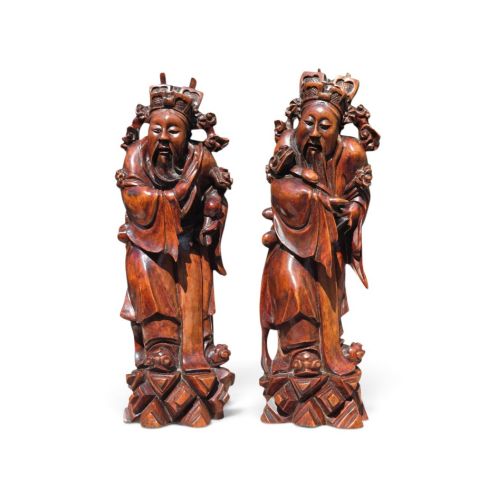
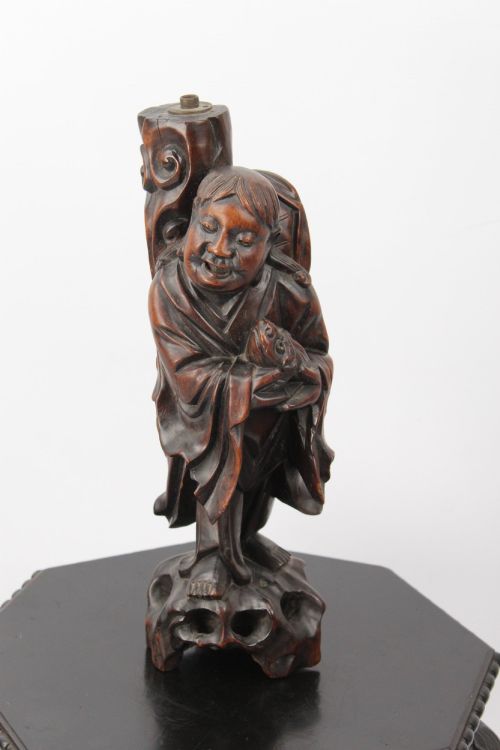
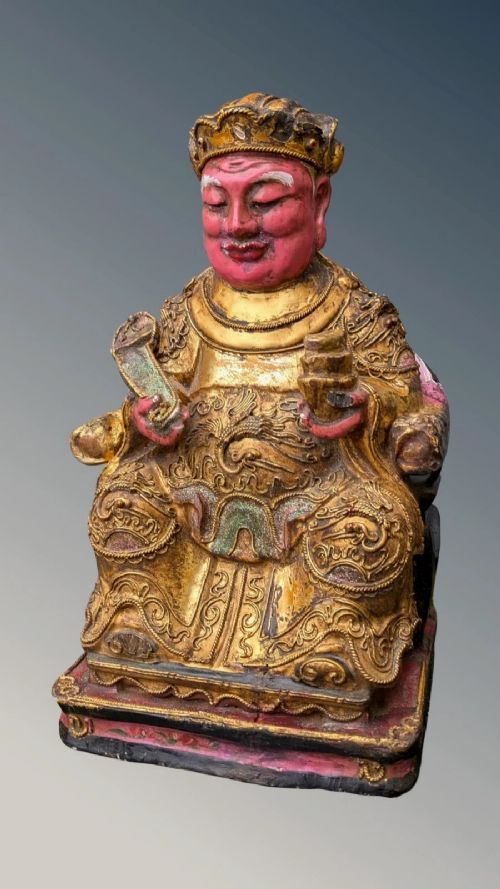
Carvers utilised organic and mineral substances, shaping hardstones such as jadeite, bowenite serpentine, and rose quartz alongside dense hardwoods like boxwood and root wood.
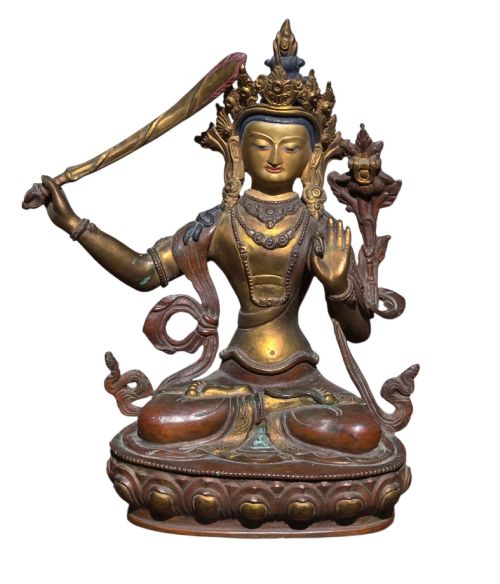
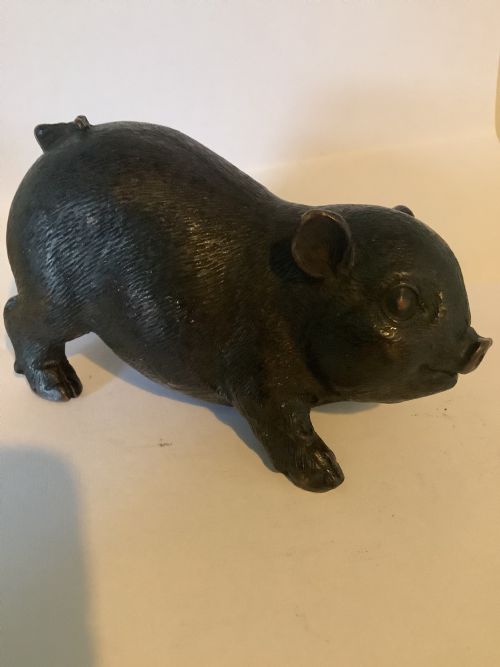
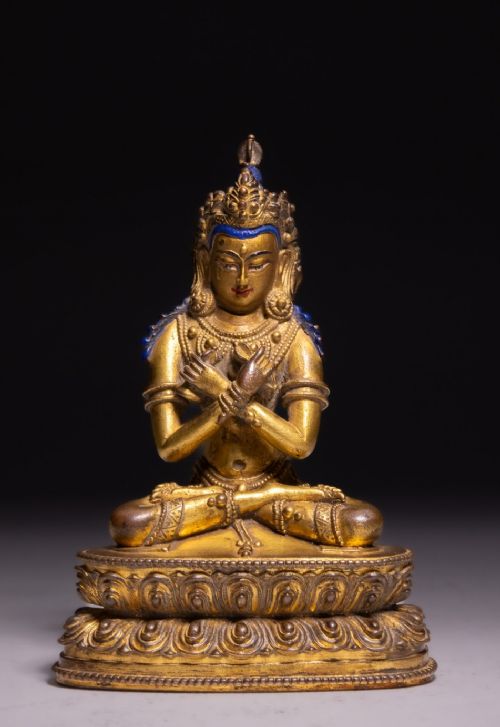
Metalworkers employed bronze-casting techniques, frequently applying gilt finishes to create detailed Sino-Tibetan Buddhist sculptures of bodhisattvas and deities.
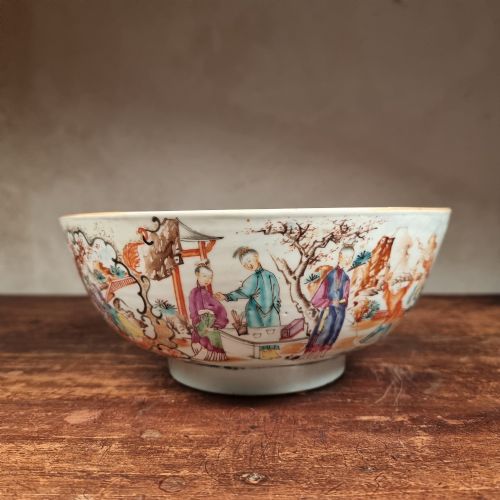
Ceramic pieces combine porcelain bodies with polychrome enamels, famille rose decoration, and hand-painted pigments executed across various imperial and provincial kilns.
Current listings span the 18th and 19th centuries, featuring materials from jadeite and bronze to lacquer and silk.
Distinctions in craftsmanship
Superior examples demonstrate anatomical precision, deep undercut carving in stone or wood, and meticulous control over polychrome enamel pigments.
Compositional complexity separates standard decorative objects from monumental figural groups that display harmonious balance and nuanced facial expressions.
The quality of the material itself, whether flawless translucent jade or finely chased gilt-bronze, determines the aesthetic standing of the piece.
The Qing Dynasty Figures Glossary
- Famille rose
- A palette of opaque enamel colours dominated by pink or rose, introduced during the Qing dynasty for decorating porcelain figures and vessels.
- Shoulao
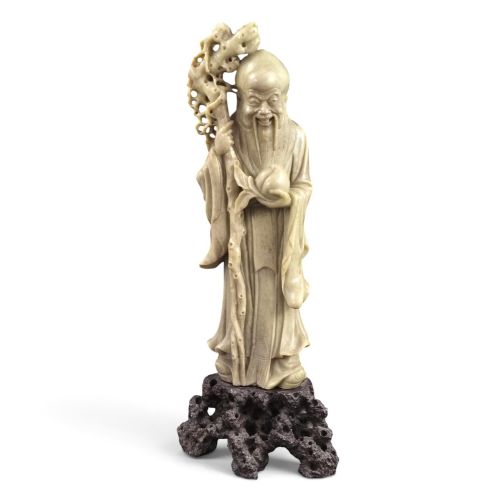
- The Daoist god of longevity, frequently depicted with a high forehead and carrying a peach or staff.
- Sino-Tibetan
- An artistic style blending Chinese dynastic techniques with Tibetan Buddhist iconography, common in gilt-bronze sculptures.
- Pixiu
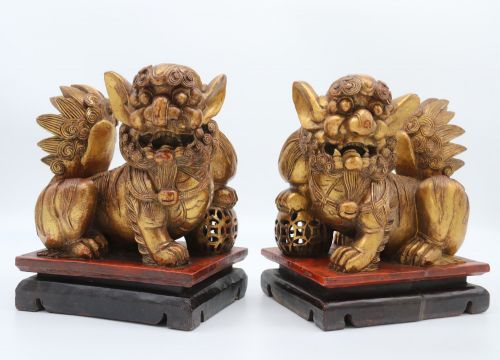
- A mythical winged beast associated with wealth and protection in traditional Chinese culture.
- Pith paper
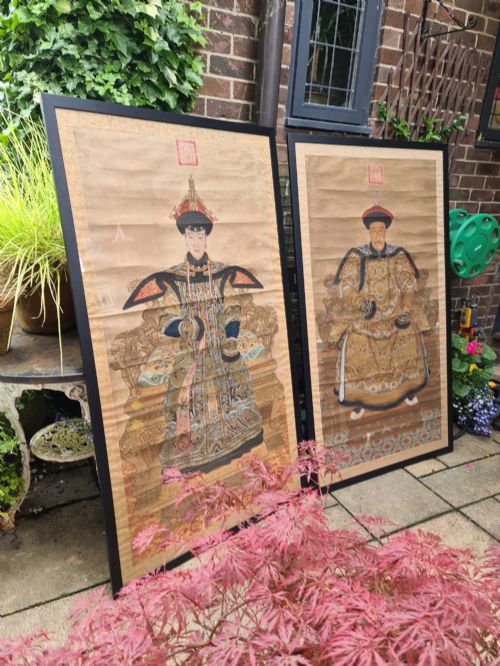
- A delicate material derived from the pith of the Tetrapanax papyrifer plant, used for nineteenth-century watercolor paintings of figures.
Qing Dynasty Figures: Frequently Asked Questions
How do I identify a Qing dynasty figure?
Examine the materials, stylistic conventions, and any reign marks present on the piece to determine its era of production.
Comparison with documented examples from the eighteenth and nineteenth centuries assists in confirming authenticity.
What materials were commonly used for figures?
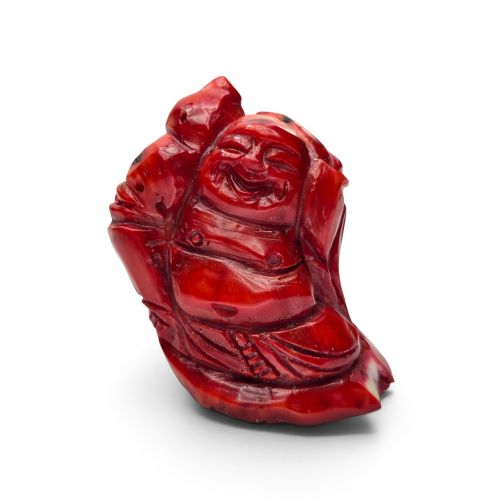
Sculptors utilised organic materials like amber and coral alongside hardstones, porcelain, bronze, and various hardwoods.
Each medium required distinct carving or casting techniques characteristic of the period.
How should I display these antiques safely?
Keep fragile items such as porcelain, enamel, and carved stone away from direct sunlight and areas subject to sudden temperature fluctuations.
Ensure larger wooden or bronze sculptures rest on stable, level surfaces that support their full weight.
What do depictions of Shoulao signify?
Figures of Shoulao symbolize longevity, health, and prosperity within traditional Chinese iconography.
Such representations were widely produced across different mediums during the Qing dynasty as auspicious gifts.