



Qing Dynasty Export Silver
Qing dynasty export silver objects combine meticulous traditional metalwork with Western forms, prized by collectors for their intricate craftsmanship.
Qing Dynasty Export Silver
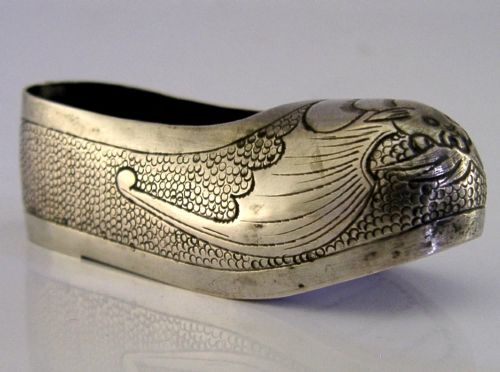
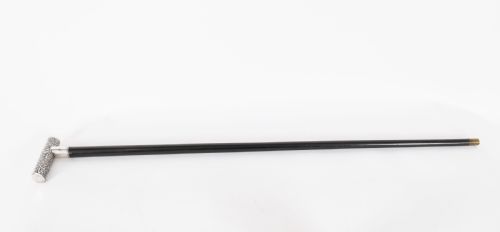
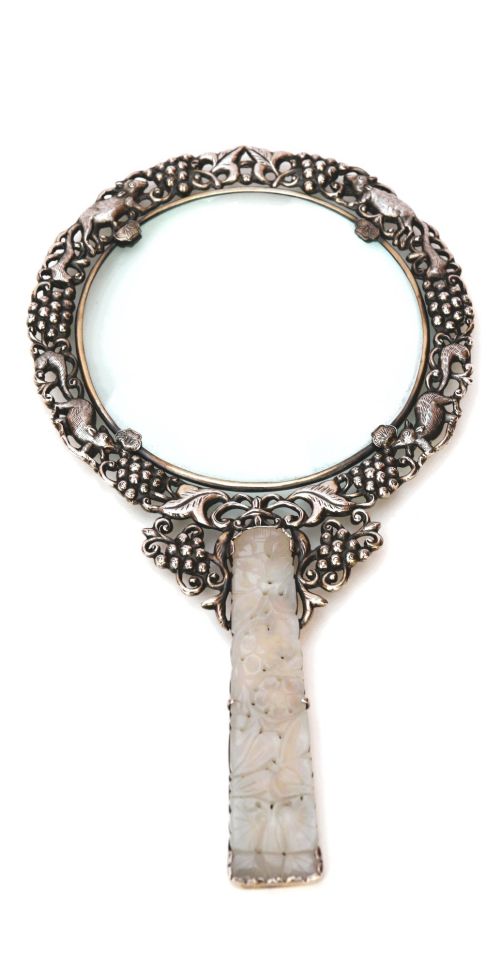
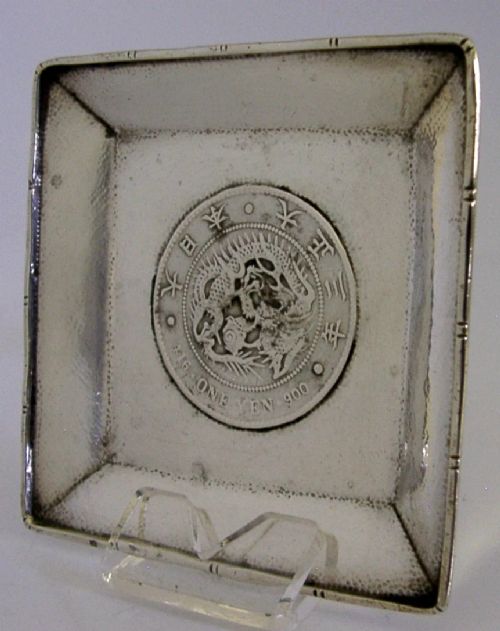
When you search for qing dynasty export silver, you encounter decorative and functional pieces created in China for Western markets during the nineteenth and early twentieth centuries. The selection spans utilitarian items and luxury goods, from decanter labels and pin dishes to walking canes and magnifying glasses.
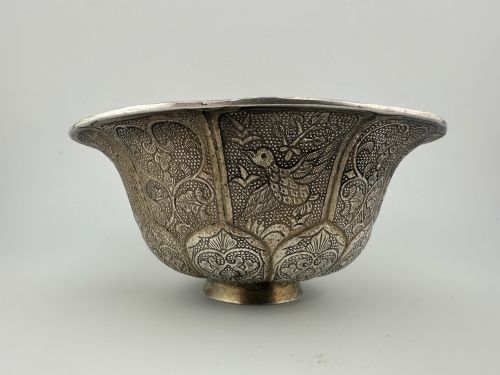
You are most likely to meet bowls, boxes, and small jugs featuring traditional motifs executed in silver or white metal. These items bridge two worlds, satisfying Western utility while displaying unmistakably Eastern artistry.
How they were made
Silversmiths utilised high-grade silver alongside white metal, often incorporating supplementary materials like jade, enamel, glass, bone, and ebonised wood. Handles and rims frequently integrated organic elements such as bamboo, cherry wood, and malacca cane.
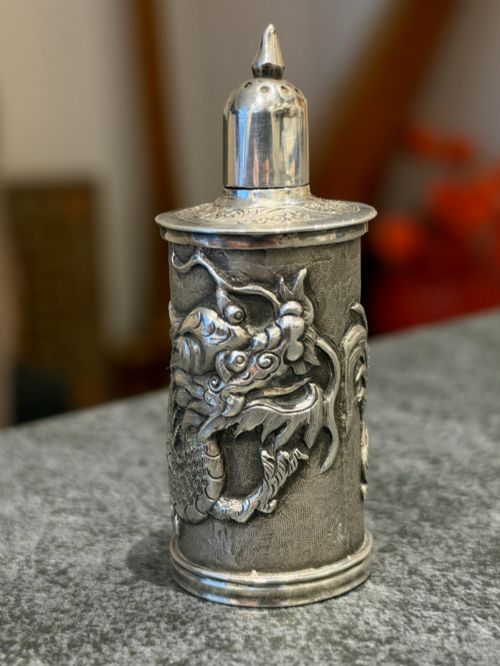
The construction relied heavily on repoussé and chasing techniques to raise intricate dragon, bird, and floral patterns from the metal surface. Enamelling was applied to add vibrant colour to dragons and fish, contrasting sharply with the polished silver background.
Qing Dynasty Export Silver Retail Price Guide 2026
Typical asking prices for qing dynasty export silver among the pieces listed under this phrase on Sellingantiques today, from the lower quarter to the upper quarter. They describe what is for sale here now, not the wider market.
Object forms span domestic accessories, including walking canes, magnifying glasses, decanter labels, and decorative bowls.
What varies in quality
The distinction between standard items and superior pieces lies in the depth and crispness of the chased decoration, particularly on complex motifs like dragons and prunus blossom. Finer works display meticulous hand-finishing that retains sharp detail across every scale and petal.
The integration of secondary materials also dictates the overall grade. Superior examples feature well-fitted jade rims, smoothly turned wooden handles, and securely applied enamel without chips or fractures.
Wang Hing & Co Hong Kong·Luen Hing
The Qing Dynasty Export Silver Glossary
- White metal
- An alloy resembling silver that was frequently utilised in Chinese export pieces of the period. It provided a durable alternative for items destined for international trade.
- Repoussé
- A metalworking technique where the smith hammers the design from the reverse side to create a raised relief on the front. This method gives dragon and floral motifs their three-dimensional quality.
- Etui box
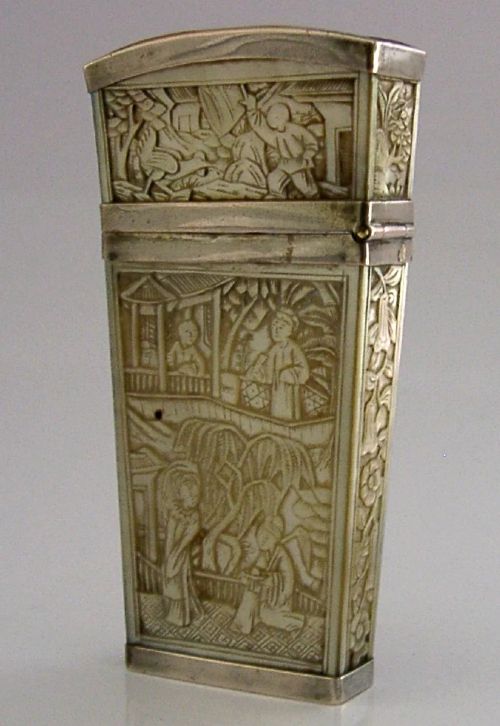
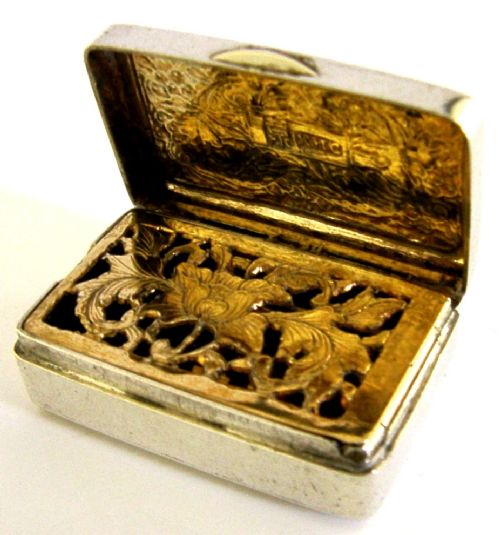
- A small ornamental case designed to hold needles, cosmetics, or small personal items. These fitted containers often feature elaborate exterior decoration.
- Decanter label
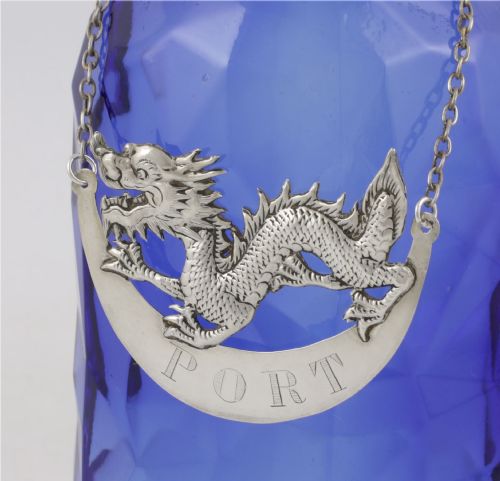
- A small tag hung by a chain around the neck of a bottle to identify its contents. In export silver, these often take the form of dragon bottle tags.
- Malacca
- A slender, durable cane derived from a rattan palm native to Southeast Asia. It was commonly utilised for the shafts of walking sticks topped with silver handles.
Qing Dynasty Export Silver: Frequently Asked Questions
What is qing dynasty export silver?
These pieces are silverware and white metal items manufactured in China specifically for export to Western buyers during the nineteenth and early twentieth centuries.
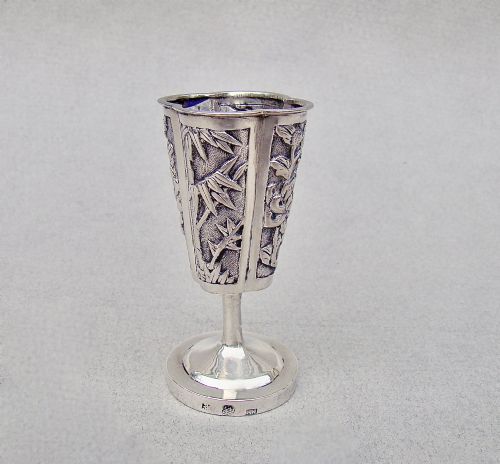
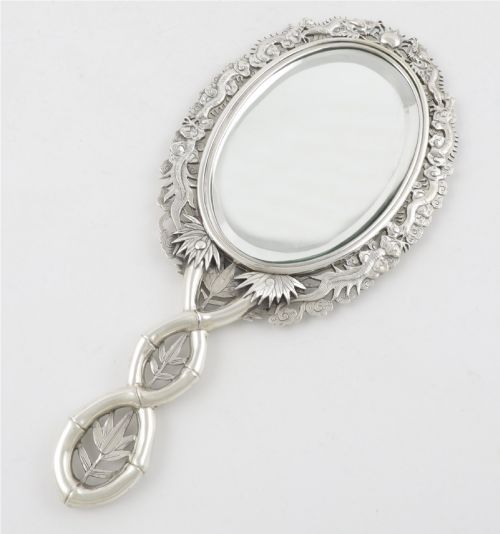
They merge traditional Chinese motifs like dragons and prunus blossom with familiar European forms such as goblets, magnifying glasses, and dressing table mirrors.
How were these items used?
They served both practical and decorative functions in Western households, acting as serving ware, desk accessories, and personal walking canes.
Items like decanter labels and pin dishes were used daily, while cigarette boxes and enamelled ash trays furnished smoking rooms and dressing tables.
How do I care for export silver?
Maintain the metal with gentle cleaning using a soft cloth, avoiding abrasive polishes that can wear away fine chased details and applied enamel.
Take special care where silver meets organic materials like jade, bone, or wood, keeping them dry and away from excessive moisture.
How do I identify the period?
Dating relies on stylistic clues, workshop marks, and the presence of associated materials typical of the nineteenth century and early twentieth century.
Pieces often feature workshop stamps from known Hong Kong and mainland makers alongside traditional decorative indicators like dragons and bamboo handles.