

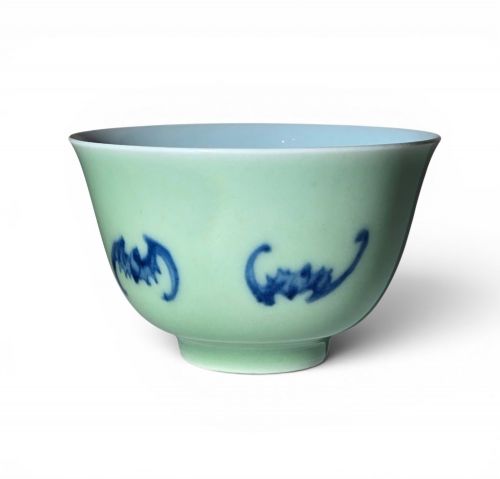


Qing Dynasty Cobalt Bowl
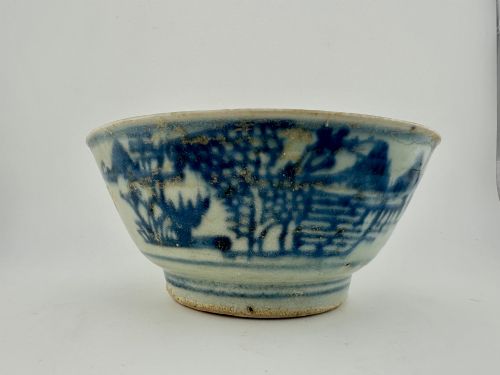
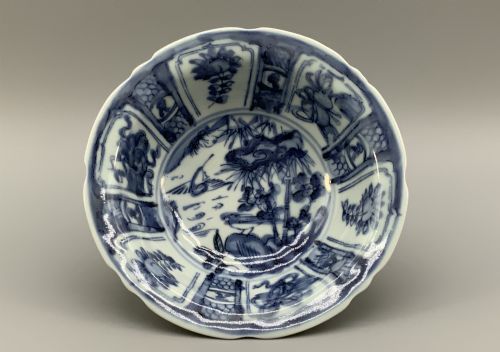
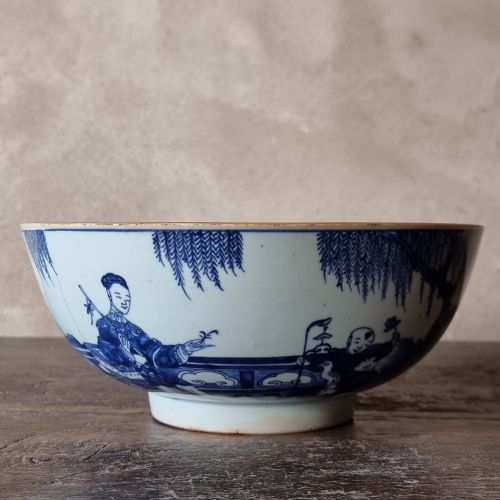
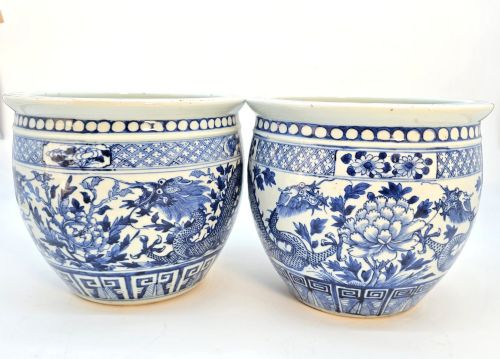
A qing dynasty cobalt bowl brings centuries of ceramic artistry into your home through deep cobalt blue pigment painted directly on fine white porcelain.
Qing Dynasty Cobalt Bowl
The pieces available span multiple periods including the seventeenth, eighteenth, and nineteenth centuries. You are most likely to meet lobed bowls, punch bowls, and larger vessels featuring traditional motifs like phoenixes and peonies.
These ceramics embody distinct stylistic influences, including Chinese Imperial style and Chinese export wares. Each piece reflects the aesthetic standards of its specific era under the Qing dynasty.
Materials and Construction Techniques
Makers shaped these vessels from high-fired porcelain and ceramic materials, ensuring a durable and smooth body. Artisans applied cobalt underglaze pigments by hand before firing the pieces at high temperatures to achieve the signature blue coloration.
Some examples incorporate additional elements such as enamel decorations or celadon grounds alongside the primary cobalt glaze. This combination of techniques results in the layered depth visible in the painted motifs.
Qing Dynasty Cobalt Bowl Retail Price Guide 2026
Typical asking prices for qing dynasty cobalt bowl among the pieces listed under this phrase on Sellingantiques today, from the lower quarter to the upper quarter. They describe what is for sale here now, not the wider market.
Several bowls feature painted phoenixes that appear to gossip endlessly across the porcelain rim.
Evaluating Quality and Execution
The clarity and precision of the hand-painted cobalt blue motifs distinguish finer examples from standard production. Crisp brushwork on pieces featuring complex subjects like phoenixes and peonies indicates superior craftsmanship.
The purity of the porcelain body and the smoothness of the glaze application also determine the standing of an individual bowl. Controlled firing temperatures prevent distortion and ensure an even, glossy finish across the ceramic surface.
The Qing Dynasty Cobalt Bowl Glossary
- Cobalt Underglaze
- A method of applying cobalt pigment to the ceramic body before glazing and firing. This technique protects the blue decoration beneath a clear glossy layer.
- Jardiniere
- A large ornamental pot designed for holding plants or flowers. These sturdy ceramic vessels often feature elaborate cobalt blue landscape or floral scenes.
- Kangxi Period
- An era spanning the late seventeenth and early eighteenth centuries known for high artistic standards in porcelain production. Pieces bearing this association command strong interest from collectors.
- Punch Bowl
- A wide vessel traditionally used for serving mixed drinks at social gatherings. Eighteenth-century examples often display intricate hand-painted motifs across their expansive interiors and exteriors.
- Celadon-Ground
- A surface treatment featuring a pale grey-green transparent glaze over porcelain. This understated background often highlights contrasting underglaze blue designs.
Qing Dynasty Cobalt Bowl: Frequently Asked Questions
How were these large bowls used historically?
These vessels served various domestic and ceremonial functions depending on their specific form and scale. Punch bowls accommodated large gatherings for communal drinks, while jardinieres held plants within elite interiors.
Smaller pieces functioned as tableware or dedicated brush washers for scholars. Their dual roles as practical items and decorative art objects made them central to daily life and official occasions.
How do I care for a porcelain bowl?
Display these ceramics on stable, flat surfaces away from areas prone to accidental knocks or heavy vibrations. Dust the glazed surface gently with a soft, dry cloth.
Avoid using chemical cleaners or immersing antique ceramics in water unless necessary. Gentle handling preserves both the ceramic body and the delicate cobalt pigment.
How can I tell eighteenth and nineteenth-century pieces apart?
Eighteenth-century examples frequently exhibit refined potting techniques and specific reign marks associated with periods like Qianlong or Kangxi. The brushwork on these earlier items often displays a notable fluidity and depth in the cobalt pigment.
Nineteenth-century pieces tend to feature heavier forms and distinct export styles. Comparing the baseline porcelain quality and stylistic motifs helps establish the chronological framework of each item.
What is a brush washer?
A brush washer is a specialised vessel utilised by scholars and calligraphers to clean ink brushes during writing practice. These items typically feature compact, stable forms suitable for a scholar's desk.
Decorated with cobalt blue designs, they combine utility with refined artistic expression. Their presence indicates an object tied to traditional scholarly pursuits.