




Lobed Porcelain Bowl
These lobed porcelain bowl examples combine scalloped profiles with ceramic traditions spanning eighteenth century China, Japan and Europe.
Lobed Porcelain Bowl
A lobed porcelain bowl brings together scalloped rims and curved walls across several historical periods and regions. Buyers exploring this search phrase encounter pieces ranging from Chinese export wares to European manufactory productions and Japanese Satsuma, Arita or Imari pieces.
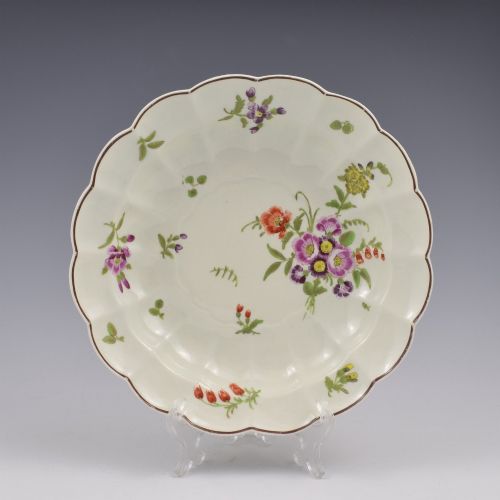
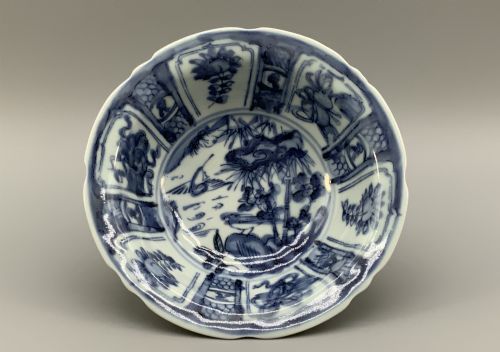
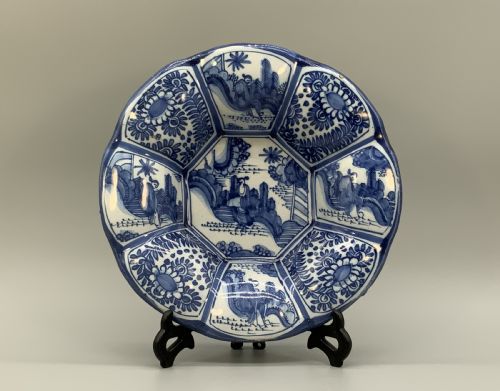
The selection here includes items originating from the eighteenth and nineteenth centuries, featuring forms such as decorative bowls, dessert dishes and soup plates. Chinese Kangxi period pieces sit alongside English Worcester porcelain and Dutch baroque influenced delftware.
Most items on this page lean towards traditional blue and white decoration, whilst others incorporate polychrome enamels, gold leaf and cobalt underglaze. These vessels served functional dining purposes and decorative display functions in domestic interiors.
How they were made
Maker workshops utilised porcelain, soft paste porcelain and tin glazed earthenware, shaping each vessel to create distinct indented lobes along the rim and body. Cobalt pigment and enamel colours provided the base for hand painted pictorial scenes and floral motifs.
Firing techniques varied from high temperature kilns used for Chinese and Japanese porcelain to lower temperature earthenware firings in European centres. Artisans frequently applied gold leaf and gilt detailing over the glaze during secondary firing stages to enhance the decorative finish.
Lobed Porcelain Bowl Retail Price Guide 2026
Typical asking prices for lobed porcelain bowl among the pieces listed under this phrase on Sellingantiques today, from the lower quarter to the upper quarter. They describe what is for sale here now, not the wider market.
Several bowls feature thousand flowers motifs, packing vibrant enamel gardens into remarkably compact domestic vessels.
What varies in quality
Quality differences emerge in the precision of the lobing and the crispness of the painted cobalt underglaze or enamel work. Superior examples display balanced symmetry in the scalloped edges and controlled brushwork in the central motifs.
The refinement of the ceramic body paste itself distinguishes standard utility wares from finer cabinet pieces. Preservation of original gilt highlights and enamel vibrancy also shapes the standing of individual items.
The Lobed Porcelain Bowl Glossary
- Lobed
- Having deeply curved indentations or sections around the rim and body. This shaping creates a scalloped silhouette characteristic of specific decorative vessels.
- Cobalt Underglaze
- Pigment applied to the ceramic body before glazing and firing. This technique produces deep blue designs that remain durable beneath a clear glossy surface.
- Soft-paste Porcelain
- A ceramic composition fired at lower temperatures than hard paste porcelain. European factories utilised this material before discovering true hard paste formulas.
- Kraak Style
- A Dutch interpretation of sixteenth and seventeenth century Chinese export porcelain. These designs feature panels radiating from a central medallion.
- Imari
- A Japanese ceramic style originating from Arita. Pieces typically combine underglaze blue with iron red, gold and additional enamel colours.
Lobed Porcelain Bowl: Frequently Asked Questions
How do I date a lobed porcelain bowl?
Dating relies on stylistic markers, materials, and underglaze marks associated with specific dynasties or European periods.
Examining the paste body and pigment application helps determine whether a piece originates from seventeenth century China or nineteenth century Europe.
Were these bowls used for food?
Many items functioned as dessert dishes, soup plates or decorative serving vessels in dining settings.
Over time, finer examples transitioned primarily into decorative display objects rather than everyday tableware.
What is the difference between Chinese and Japanese pieces here?
Chinese examples frequently showcase Kangxi period blue and white painting or floral motifs on hard porcelain.
Japanese listings include Arita wares, Imari palettes and Satsuma earthenware featuring distinct regional glazing traditions.
How should I clean my porcelain bowl?
Careful dusting with a soft dry cloth preserves delicate gilt highlights and enamel surfaces.
Immersion in water should be avoided for fragile soft paste or earthenware pieces to protect the glaze.