


Qing Dynasty Bronze Urns
Qing dynasty bronze urns bring substantial weight and ancient ritual forms into a room, spanning centuries of metalwork.
Qing Dynasty Bronze Urns
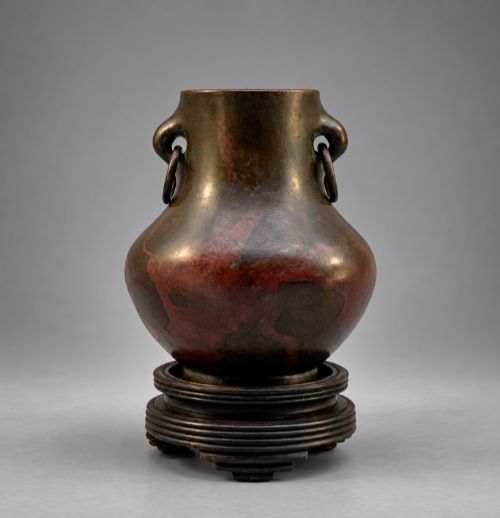
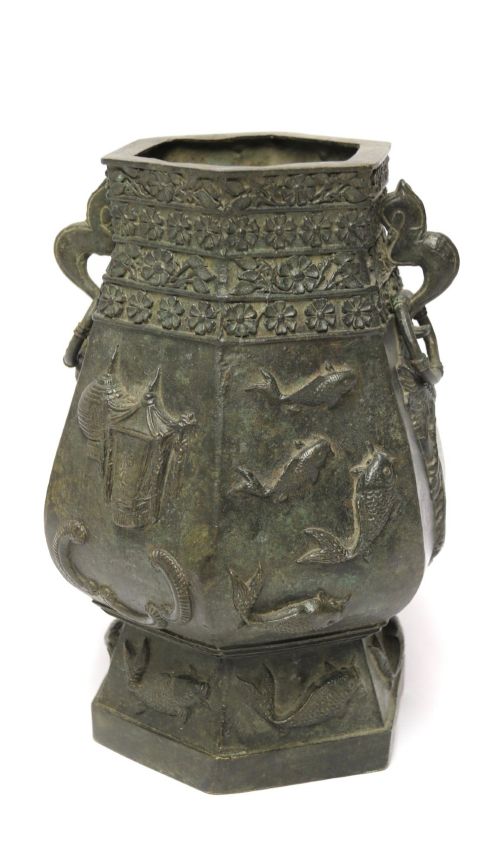
When you search for qing dynasty bronze urns, you encounter vessels shaped by centuries of ritual, imperial taste and export trade. The pieces meeting this description range from archaic ritualistic food bowls and tripods to altar vases, baluster forms and incense burners.
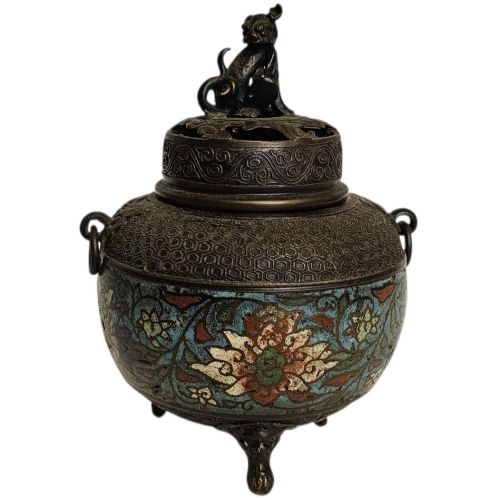
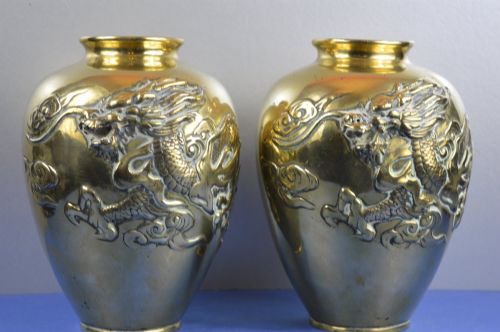
Hexagonal tripod censers with cover and qilin lion or fu lion finials appear frequently alongside large dragon vases and gu vases. Many vessels carry Xuande base marks, while other examples combine bronze with enamel, champlevé, cloisonné, or ormolu mounts.
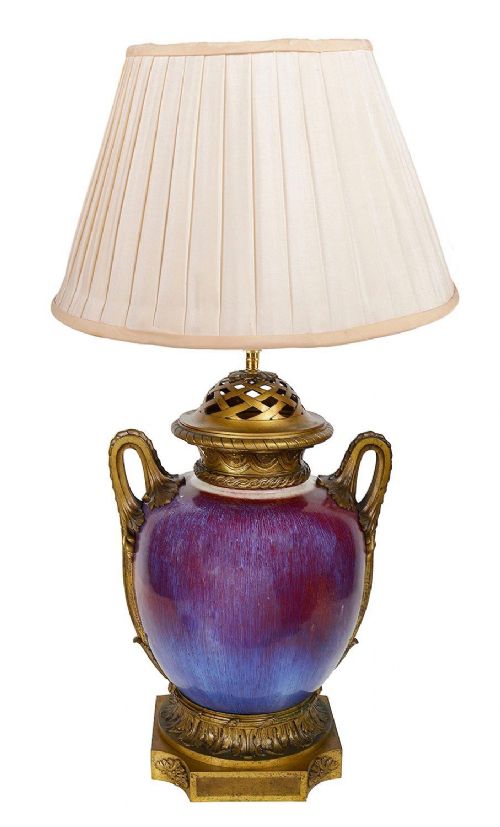
The objects span periods from pre-sixteenth century roots through seventeenth, eighteenth and nineteenth-century interpretations, including Chinese export and Victorian adaptations. Collectors also find vases converted into table lamps alongside lidded vessels and decorative bowls.
Materials and construction
The foundational metalwork relies on bronze, brass, copper-alloy and gilt bronze cast into solid vessels, often with high-relief ornamentation. Artisans worked substantial weights of metal into baluster profiles, ritual bowls and tripod censers.
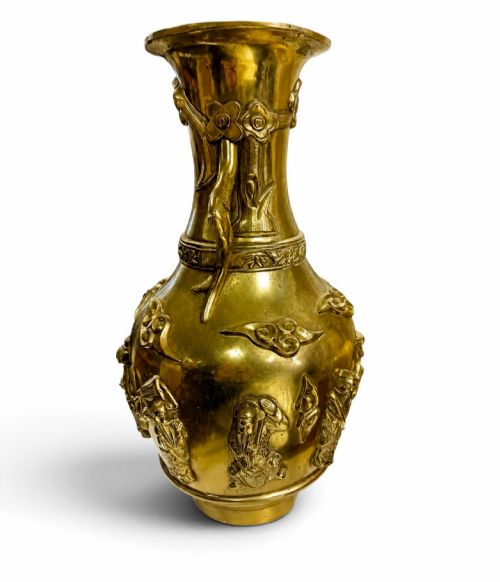
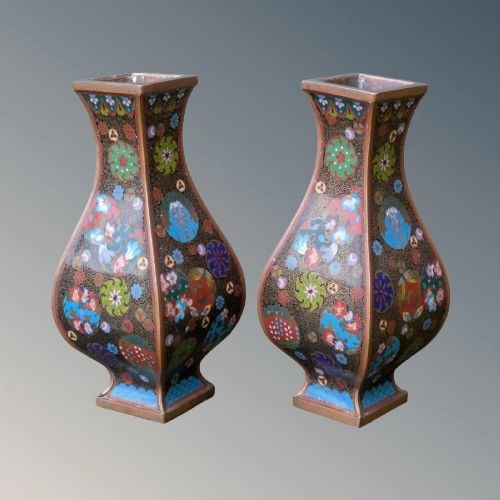
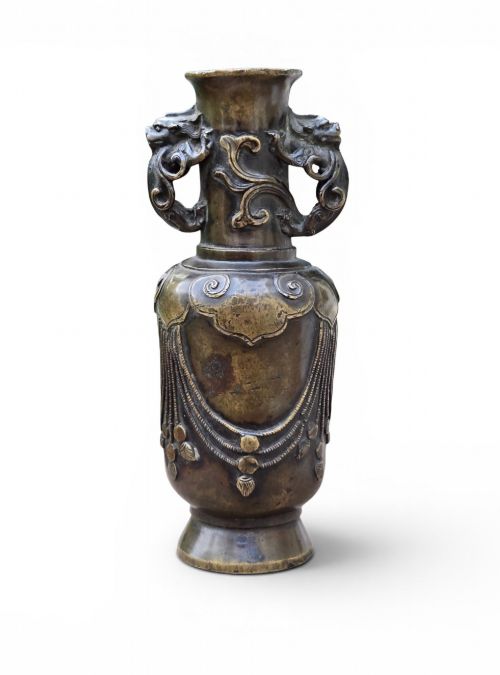
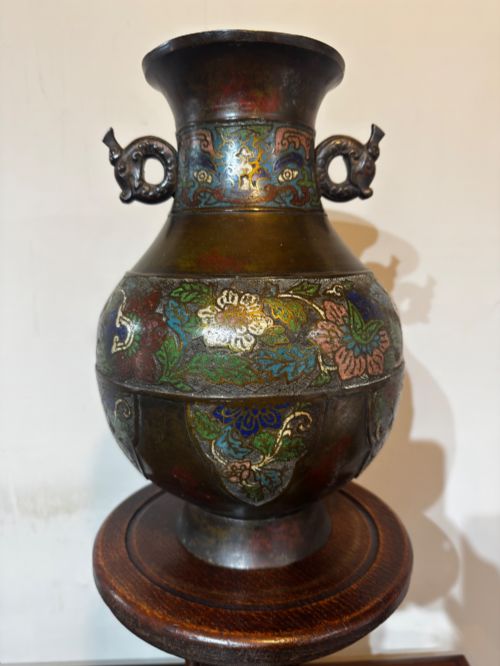
Surface decoration integrates cloisonné enamel and champlevé techniques alongside applied ormolu mounts and porcelain elements. Details such as dragon handles, Daoist immortals and floral motifs are worked directly into the metal body or inlaid with coloured enamels.
Materials recorded across the selection include solid bronze, copper-alloy, gilt bronze, brass, porcelain and cloisonné enamel.
Quality and craftsmanship
Weight and balance indicate the integrity of the metal, with heavier solid bronze vessels and well-fitted covers commanding greater attention. The clarity of base marks and the harmony between secondary materials like ormolu mounts and the core bronze body further separate individual items.
The Qing Dynasty Bronze Urns Glossary
- Censer
- A vessel used for burning incense, typically featuring a body, cover and tripod feet in these collections. These containers often incorporate lion finials and ritual handles.
- Cloisonne
- An enamel technique where metal wire creates small compartments on the bronze surface to hold coloured paste. Artisans then fire and polish the piece to a smooth finish.
- Champleve
- A method where troughs or cells are hollowed directly into the bronze body and filled with enamel before firing. This technique produces bold patterns alongside exposed metal lines.
- Gu
- An ancient ritual trumpet-shaped beaker form revived in later metalwork. These slender vessels feature a flared top and foot.
- Ormolu
- Gilded bronze mounts applied to decorate or adapt objects. French-style metal mounts frequently appear on vases converted into lamps.
- Xuande
- A historical reign mark frequently applied to later vessels in homage to early imperial metalwork standards. Such marks appear on censers and baluster vases alike.
Qing Dynasty Bronze Urns: Frequently Asked Questions
How do I spot a real qing bronze?
Authentic pieces show heavy cast metal construction, natural patination from age and crisp detailing in high-relief elements like dragons or lions. Examination of the interior surfaces and base reveals casting seams and tool marks consistent with historical manufacturing methods.
Surface wear should match the recorded period, whether eighteenth or nineteenth century. Comparing the weight and proportion of similar ritual forms helps confirm the integrity of the vessel.
What is a tripod censer used for?
Tripod censers served as incense burners in domestic and ritual settings, supported by three distinct feet for stability on altars or tables. The removable cover allowed fragrant smoke to rise through decorative openings or around lion finials.
In modern settings, these vessels function as sculptural centerpieces. Their substantial weight and enclosed forms make them striking display objects.
Why do some vases have lamp fittings?
Many Asian bronze and porcelain vessels were converted into table lamps during the nineteenth and twentieth centuries to suit Western domestic interiors. These adaptations often involved adding ormolu mounts or drilling bases for electrical wiring.
Collectors appreciate these pieces for both their utility and their decorative presence in a room. The conversion reflects the historical export trade and changing fashions in interior design.
What does an archaic style mean?
Archaistic pieces deliberately emulate the ritual vessel forms and decorative motifs of ancient Chinese dynasties, particularly the Shang and Zhou periods. Makers in later centuries revived these ancient shapes to honour classical traditions.
These items feature formal ritualistic food bowl designs and stylized animal motifs rather than naturalistic scenes. The style represents a conscious continuation of imperial aesthetic history.