




Qianlong Period Export Ceramic
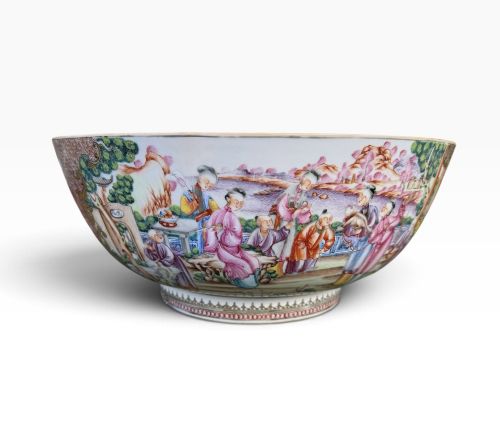
These qianlong period export ceramic pieces are eighteenth-century wares made for Western markets, bringing vibrant hand-painted colour and intricate forms into a room.
Qianlong Period Export Ceramic
A qianlong period export ceramic encompasses a broad range of eighteenth-century wares, spanning from simple blue and white objects to richly decorated polychrome vessels. When searching for qianlong period export ceramic, a buyer encounters domestic and serving forms made in China specifically for European and Western clientele.
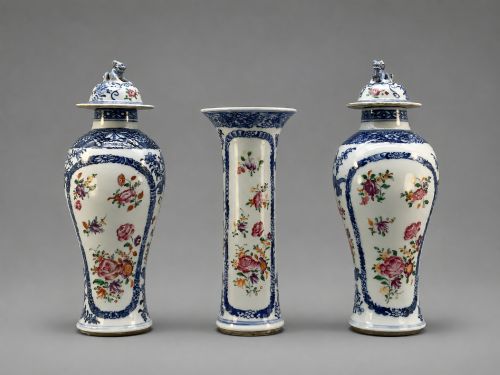
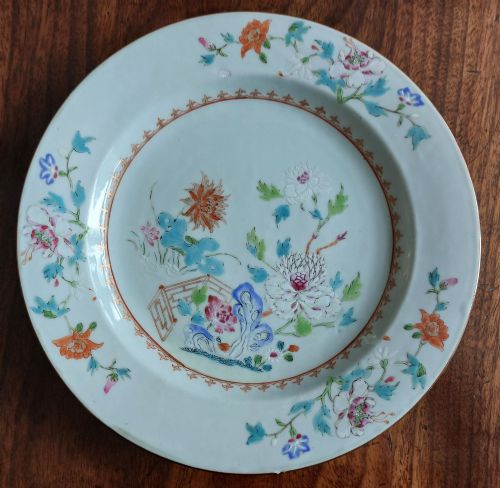
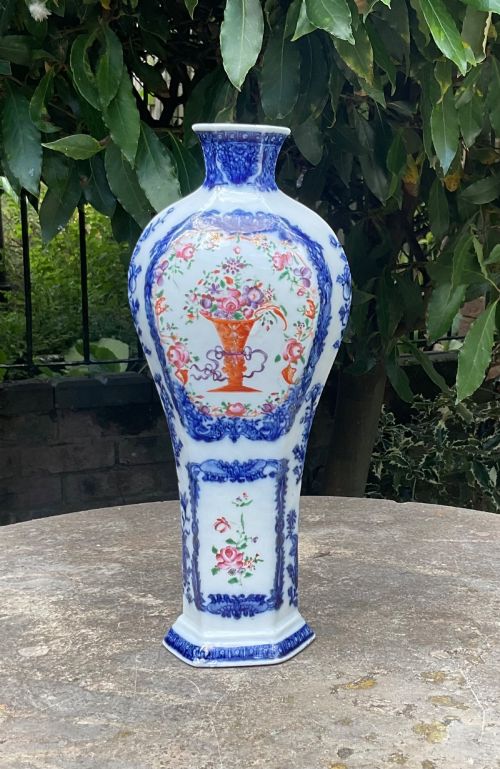
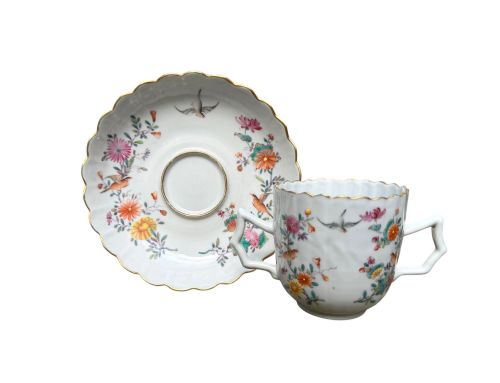
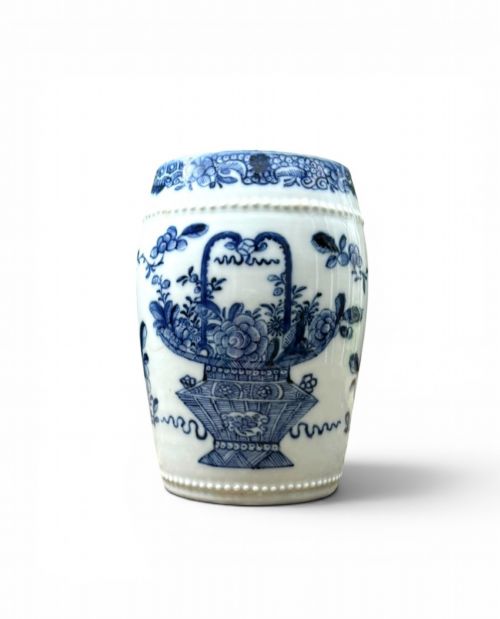
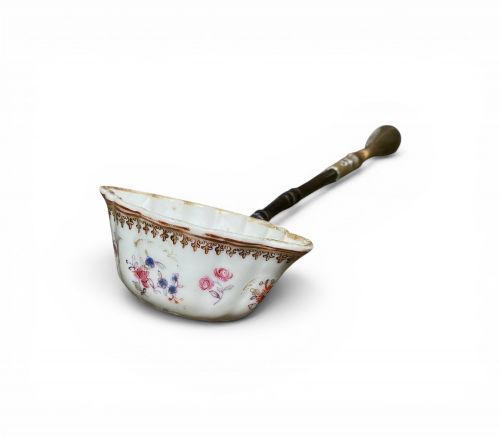
The most common vessels met on this page include plates, dishes, chargers, and teawares alongside larger statement objects such as garniture sets, tureens, and vases. Mugs, tankards, ladles, and animal figurines also appear, reflecting the diverse range of goods shipped during the eighteenth century.
These items originate from the Qing Dynasty under the Qianlong reign, carrying distinct stylistic crossovers between traditional Chinese potting and Western decorative demands. Every piece represents a specific commercial and artistic exchange lasting throughout the middle and late eighteenth century.
How qianlong period export ceramic pieces were made
The foundation of these objects is hard-paste porcelain and ceramic, shaped on the wheel or moulded into specialised forms such as barrel mugs, animal figurines, and rectangular meat drainers. Artisans applied cobalt glaze for blue and white designs before firing, or built up polychrome palettes using enamel and enamel glaze over the fired surface.
Details often incorporated delicate gilding with gold leaf alongside intricate overglaze enamels such as famille rose and famille verte. Supplementary elements occasionally integrated wood and metal mounts, adding structural utility or decorative contrast to the ceramic bodies.
Qianlong Period Export Ceramic Retail Price Guide 2026
Typical asking prices for qianlong period export ceramic among the pieces listed under this phrase on Sellingantiques today, from the lower quarter to the upper quarter. They describe what is for sale here now, not the wider market.
Among the eighteenth-century ceramic menagerie, a porcelain dog figurine sits quietly alongside functional meat drainers and armorial dishes.
What varies in quality in qianlong period export ceramic pieces
The standard of painting on a qianlong period export ceramic dictates much of its distinction, separating hurried commercial output from masterwork commissions with meticulous brushwork. Fine examples display precise control in complex scenes, armorial bearings, or Jesuit designs, whereas lesser items rely on repetitive, formulaic floral motifs.
Form and preservation also define the upper tier, where unusual shapes like dog statuary, garniture sets, or large scalloped dishes retain crisp modelling and stable glazes. The complexity of the palette, from simple cobalt blue to elaborate multi-colour enamels with gold leaf, marks the ambition of the original workshop.
The Qianlong Period Export Ceramic Glossary
- Famille Rose
- A prominent palette of opaque pink and rose enamels introduced during the Qing Dynasty. It allowed for nuanced shading and detailed floral or figurative depictions.
- Famille Vert
- An earlier green-dominant enamel palette used on porcelain. This style relies on transparent green tones combined with iron red, yellow, and blue.
- Armorial
- A design featuring specific family coats of arms painted onto export porcelain for European nobility. These bespoke commissions represent high-status trade orders.
- Garniture
- A set of matching vases and containers designed to sit symmetrically on a mantelpiece or shelf. They formed a grand decorative display in eighteenth-century interiors.
- Meat Drainer
- A perforated ceramic insert placed inside a platter to separate juices from roasted meats. These functional items highlight the practicality embedded within export table services.
Qianlong Period Export Ceramic: Frequently Asked Questions
What is qianlong period export ceramic?
These are eighteenth-century Chinese porcelain and ceramic objects manufactured for export to Western markets during the reign of the Qianlong Emperor.
They combine traditional Eastern potting techniques with shapes and decorative motifs tailored for European tastes.
How were these ceramics used originally?
Many items functioned as high-status tableware for dining, including tureens, chargers, plates, and sauce boats.
Others served decorative purposes in domestic interiors, such as garniture sets, vases, and porcelain animal figurines.
How do I live with them?
Display these pieces securely on stable shelves or mantelpieces away from heavy foot traffic to protect their delicate enamel glazes.
Wash them gently by hand in lukewarm water without harsh detergents to preserve the old surface decoration and gold leaf.
How can I tell the periods apart?
Objects from this specific eighteenth-century window typically exhibit characteristic Qianlong stylistic traits, including dense famille rose enamelling and refined porcelain bodies.
Comparing potting weight, glaze texture, and the style of hand-painted motifs helps distinguish them from later nineteenth-century revival wares.