



Chinese Porcelain Foo Dogs
Chinese porcelain foo dogs are symbolic guardian figures modelled in ceramic, prized by collectors for their rich colour and traditional forms.
Chinese Porcelain Foo Dogs
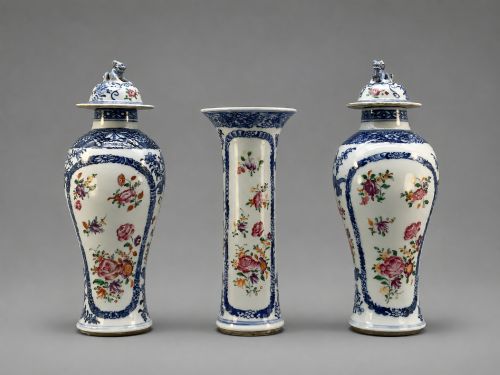
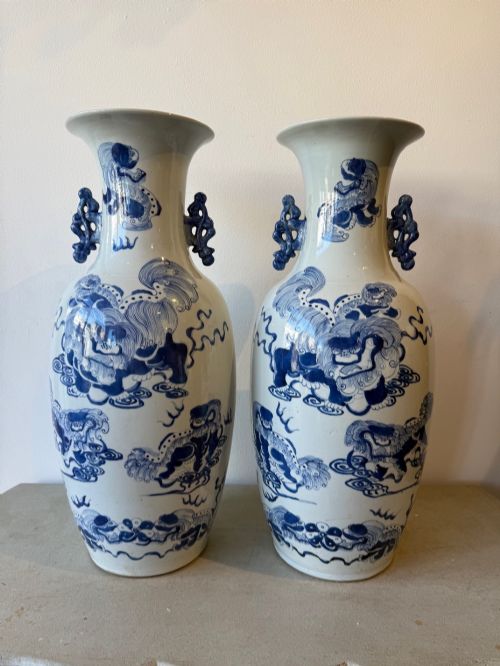
Chinese porcelain foo dogs encompass sculpted guardian figures and temple lions rendered in ceramic media, frequently appearing as matched pairs. These pieces emerge from periods spanning the seventeenth century through the twentieth century, reflecting enduring traditional styles.
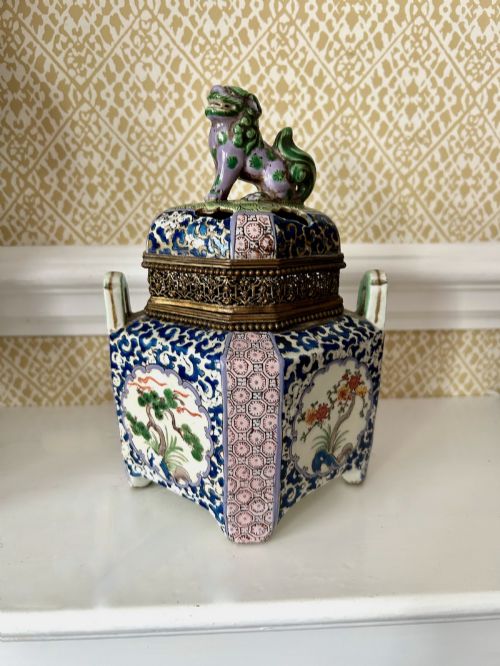
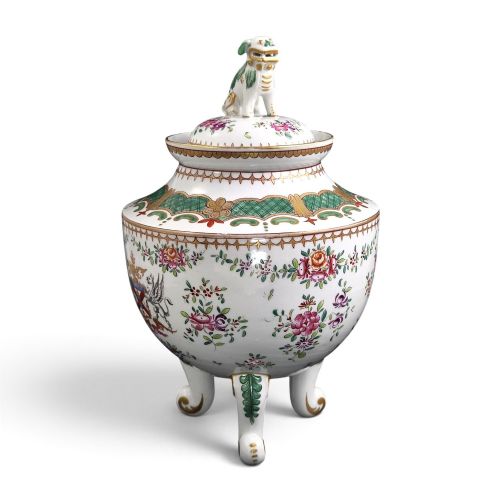
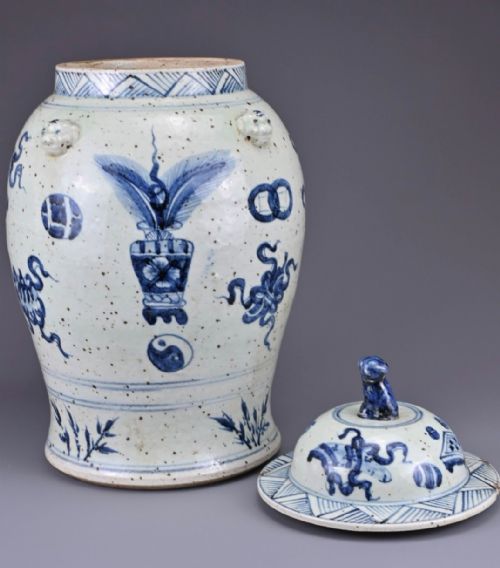
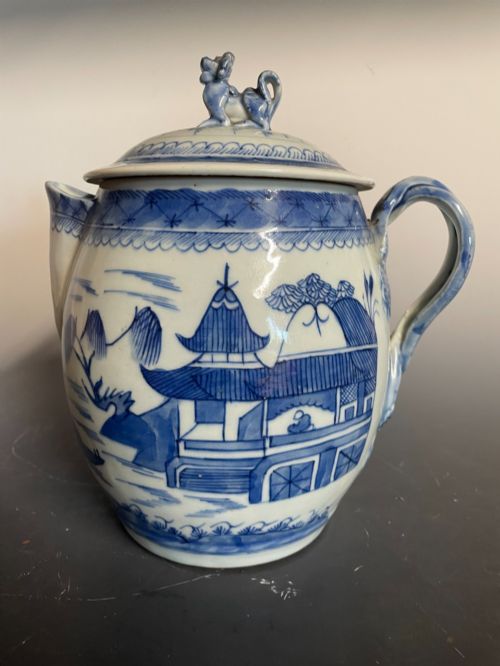
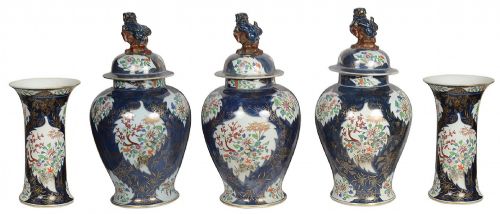
The objects take diverse forms ranging from standalone enamelled figurines and lamps to subjects integrated into vessel designs such as jars and ewers. Collectors typically encounter nineteenth-century examples and early twentieth-century interpretations upon this page.
Materials and construction methods
Makers utilised hard-paste porcelain and ceramic bodies shaped to form detailed animal figures and vessels. Artisans applied cobalt pigment underglaze and rich enamel colours to decorate the surfaces.
Techniques involved intricate hand painting and glazing, sometimes incorporating gold leaf accents or pale green and cobalt blue finishes. Mid-seventeenth-century pieces reveal complex combinations of underglaze blue and overglaze iron red and green enamels.
Chinese Porcelain Foo Dogs Retail Price Guide 2026
Typical asking prices for chinese porcelain foo dogs among the pieces listed under this phrase on Sellingantiques today, from the lower quarter to the upper quarter. They describe what is for sale here now, not the wider market.
Listings feature porcelain, ceramic, and glaze materials spanning the seventeenth to twentieth centuries.
Factors determining quality
The complexity of the palette and the preservation of the painted surfaces distinguish finer items from simpler production. Consistency in the glaze application and the sophistication of the styling separate exceptional items.
Samson Paris
The Chinese Porcelain Foo Dogs Glossary
- Foo dog
- A traditional guardian lion figure originating in Chinese art, symbolising protection. These figures are also known as Buddhist lions or dogs of fo.
- Blanc de chine
- A white porcelain produced in Dehua, China, valued for its smooth milk-white glaze. This material is frequently used for figures and lamps.
- Famille rose
- A ceramic palette introduced in the Qing dynasty distinguished by pink enamel colours. The style permits a wide range of shaded floral and figurative designs.
- Underglaze
- A method of decorating pottery where pigments are applied directly to the unglazed ceramic body before firing. Cobalt glaze is a common medium used in this process.
Chinese Porcelain Foo Dogs: Frequently Asked Questions
What are Chinese porcelain foo dogs?
Chinese porcelain foo dogs are sculpted guardian figures representing lions, traditionally placed outside buildings to ward off harmful influences. In domestic settings, smaller ceramic versions serve as decorative ornaments and protective symbols.
These pieces range from standalone figures to lamps and decorated jars. Their forms draw on centuries of iconography rooted in Chinese sculptural traditions.
How were foo dogs used?
Guardian lions were traditionally positioned in pairs outside temples, palaces, and homes to provide spiritual protection. Miniature ceramic versions were created for interior display and scholarly environments.
Over time, these figures transitioned into decorative arts collected in Europe and beyond. They often flank doorways or sit upon mantelpieces as decorative pairs.
How do I date these pieces?
Dating relies upon examining the glaze characteristics, ceramic body composition, and painting styles relative to established periods. Seventeenth-century examples display specific combinations of underglaze blue and enamel colours.
Nineteenth-century and early twentieth-century pieces often exhibit different potting techniques and palette choices. Comparing the form with documented archive pieces assists in establishing a timeframe.
How do I live with them?
Displaying these guardian figures in pairs creates visual symmetry on tables, cabinets, or mantels. Their vibrant glazes and sculptural presence suit both traditional and contemporary interiors.
Placement should consider stability, particularly for taller lamp conversions or heavier jar forms. Gentle dusting maintains the glazed and enamelled surfaces over time.