



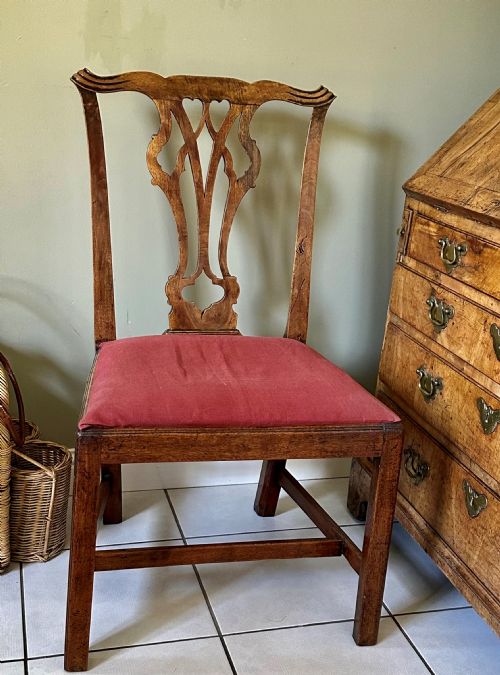

Provincial Oak Dining Chairs
Provincial oak dining chairs bring rustic character to a table, combining sturdy native timber with regional craft traditions.
Provincial Oak Dining Chairs
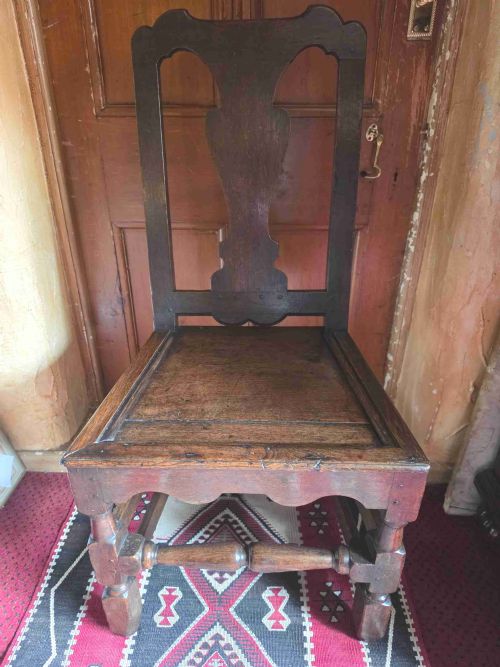
Provincial oak dining chairs encompass seating created outside metropolitan centres, drawing on regional vernacular traditions. These pieces range from substantial 17th century forms to later interpretations produced across the 18th, 19th and early 20th centuries.
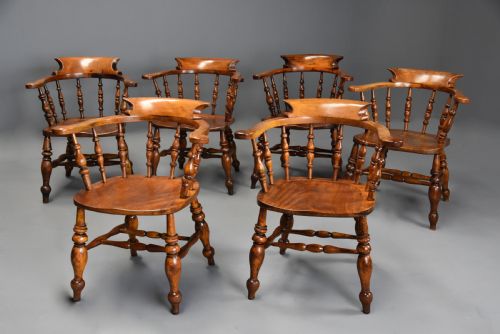
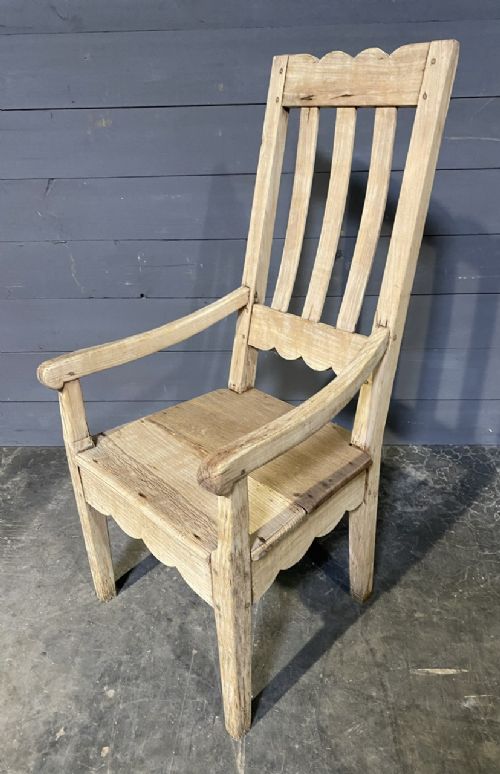
Buyers encounter various regional styles, including French provincial ladder back designs with rush seats alongside English and Irish country chairs. Forms vary from simple side chairs and armchairs to smokers bows and stick back kitchen chairs.
Sets frequently appear alongside individual items, varying from pairs up to large groups of ten or twelve. The selection spans straightforward vernacular seating and pieces influenced by Georgian or Louis XV metropolitan tastes adapted by local makers.
How they were made
Makers relied primarily on oak for main frames, frequently combining it with secondary native timbers such as elm, beech and fruitwood for seats or structural components. This mixed construction reflects local material availability in rural workshops.
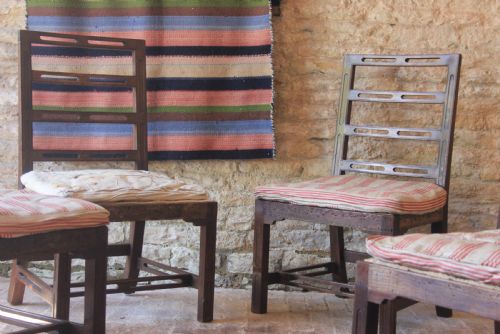
Seating areas often utilised woven rush or solid timber planks, while specific designs incorporated upholstered pads or fabric inserts. Joinery methods relied on traditional pegged mortise and tenon construction to withstand daily use.
Some ladder back chairs come with enough horizontal rungs to function as a very uncomfortable ladder in an emergency.
What varies in quality
Construction integrity dictates value, with preference given to chairs retaining their original joints and uncompromised frames. The survival of early surface patination and untouched timber surfaces distinguishes better examples from heavily restored pieces.
Cohesion within larger groupings affects desirability, particularly when assembling harlequin sets or matched suites across 17th, 18th and 19th century periods. The balance of regional proportions and the skill shown in turned spindles or carved details set finer specimens apart.
The Provincial Oak Dining Chairs Glossary
- Provincial
- Describing items made in regional areas outside capital cities, often displaying local vernacular design traits rather than strict adherence to metropolitan fashions.
- Ladder back
- A chair back constructed with horizontal arched slats between the upright stiles, frequently seen on French and English country seating.
- Smokers bow
- A sturdy, low-backed Windsor-style armchair with a continuous curved armrail, popular in 19th century domestic and commercial settings.
- Rush seat
- A seating surface woven from dried marsh plants around a wooden frame, typical of traditional country chairs.
- Harlequin set
- A collection of dining chairs that match in general style and period but vary slightly in individual detail or minor dimensions, gathered together over time.
Provincial Oak Dining Chairs: Frequently Asked Questions
How do I care for antique oak chairs?
Keep wooden seating away from direct heat sources and sudden temperature shifts to prevent the timber from splitting. Apply traditional beeswax occasionally to nourish the surface and maintain the natural lustre of the oak.
Avoid using modern silicone polishes that build up residue over time. Check structural joints periodically to ensure pegs remain secure through normal use.
Are ladder back chairs comfortable to use daily?
Traditional ladder back chairs offer upright support suited for dining tables. Models featuring shaped horizontal slats provide lumbar support adapted to the sitter.
Chairs with rush or upholstered pads add cushioning for extended seating. Adding loose squabs can also increase comfort without altering the historic frame.
How do I date an oak dining chair?
Examine the construction methods, tool marks and timber characteristics visible on the underside and joints. Hand-cut peg placement and wood shrinkage patterns often indicate earlier 17th or 18th century origins.
Compare the stylistic details, such as turning patterns on legs and crest rails, against documented vernacular regional designs. Gradual wear patterns on footings and touch points also help establish age.
Can I mix different styles around one table?
Grouping chairs with shared regional characteristics creates an authentic country interior aesthetic. Harlequin sets demonstrate how households historically gathered seating of similar periods and materials.
Maintaining consistent seat heights and proportion ensures comfort around the dining table. Matching timber tones helps unify varied side chairs and armchairs.