




Oak Splat Back Chairs
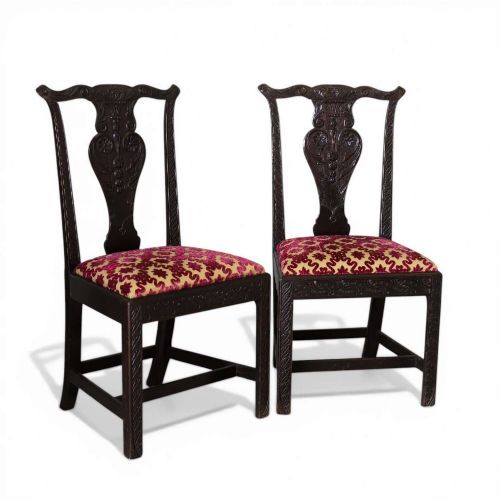
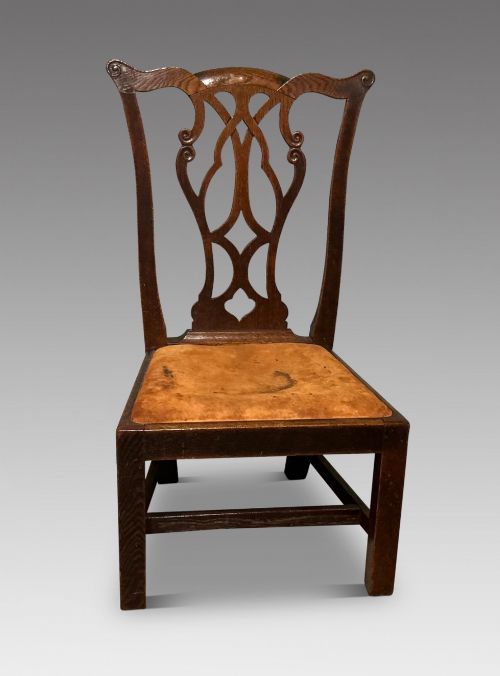
Oak splat back chairs are sturdy vernacular seating pieces defined by their central wooden slats, offering robust construction and rich historical character.
Oak Splat Back Chairs
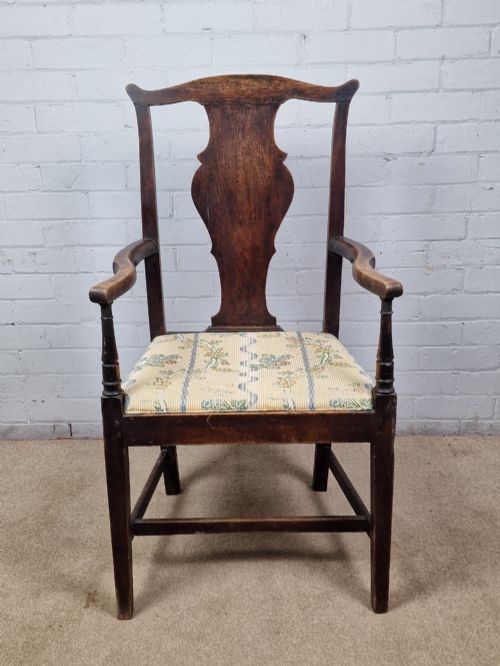
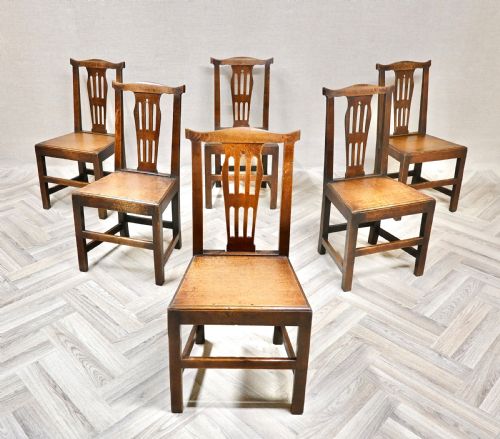
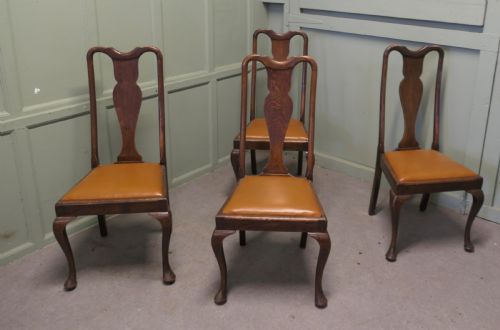
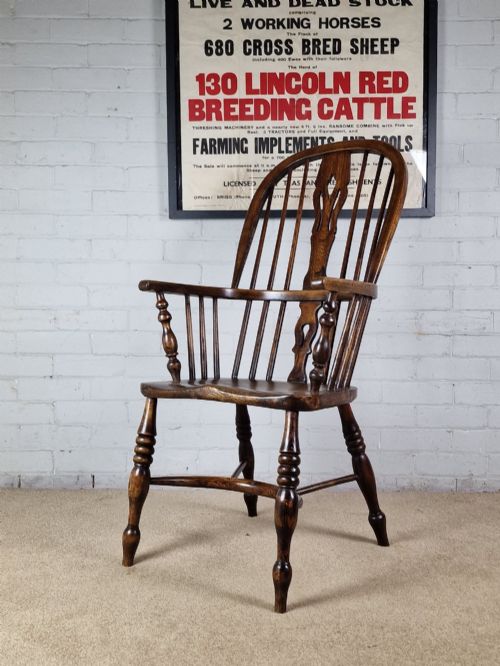
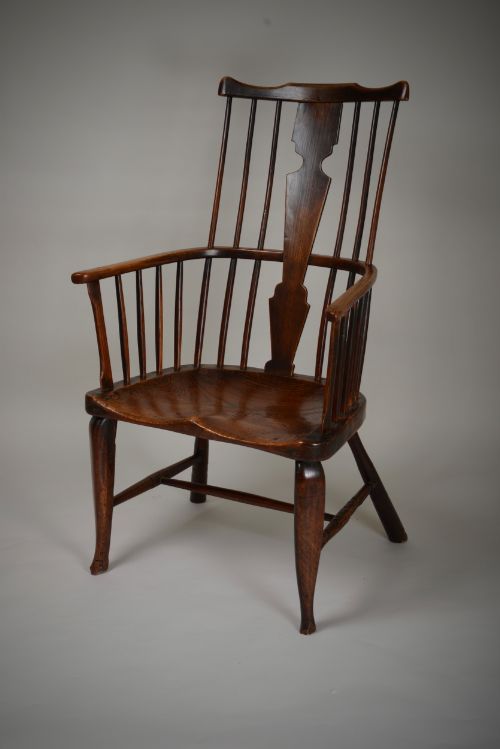
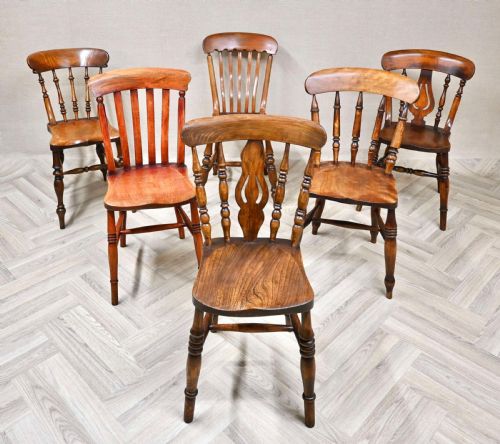
When you search for oak splat back chairs, you encounter a robust tradition of wooden domestic seating spanning the seventeenth through the early twentieth centuries. The selection encompasses dining chairs, high backs, and side variants rooted in English country and formal stylistic revivals.
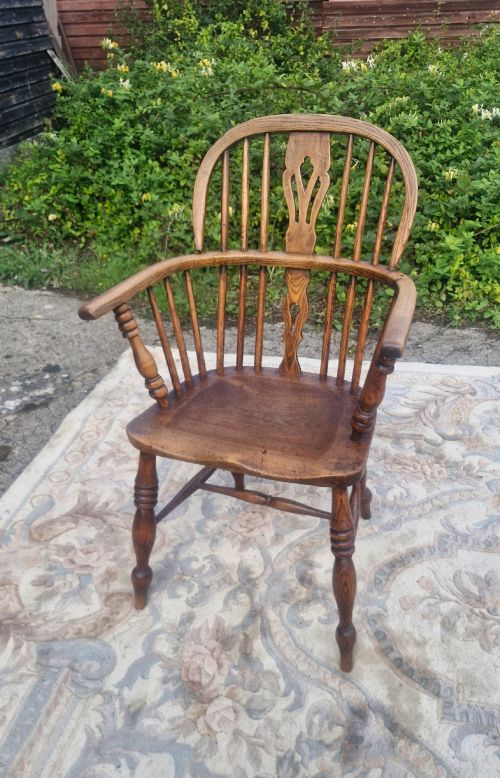
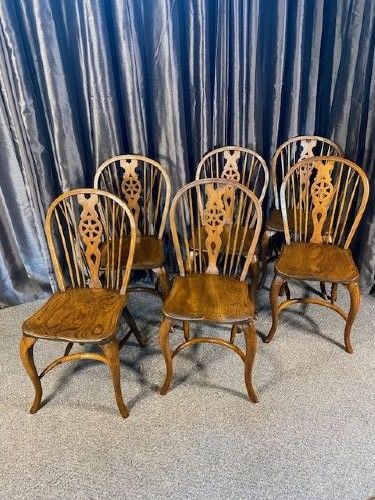
These pieces emerge primarily from Georgian, Victorian, and Edwardian periods, demonstrating how domestic seating evolved from rigid joined frameworks into more contoured domestic forms. Regional variations such as Thames Valley styles and Yorkshire armchairs appear alongside matched sets and individual library or hall seating.
How they were made
Cabinet makers and rural joiners constructed these frameworks using native hardwoods like oak, elm, ash, and beech, frequently combining timber types within a single frame for structural resilience. Elm commonly formed the solid saddle seats of windsor and country variants due to its resistance to splitting, while oak provided durable uprights and central splats.
Traditional joinery methods such as mortise and tenon joints, spindle turning, and steam bending shaped the distinctive arched crest rails and pierced back splats. Makers secured components using wooden pegs rather than modern fasteners, allowing the timber to adapt naturally to changing household temperatures.
Some resilient kitchen survivors bear the faint bite marks of household puppies from centuries past.
What varies in quality
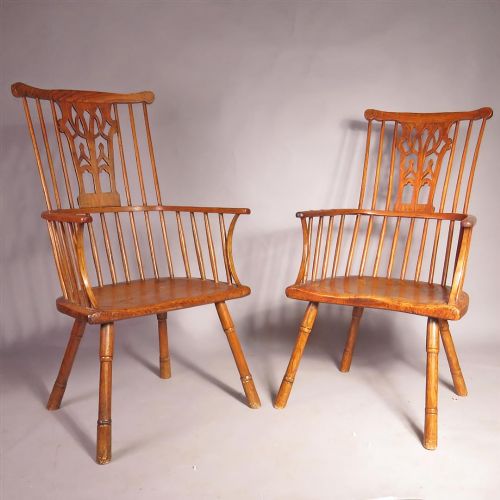
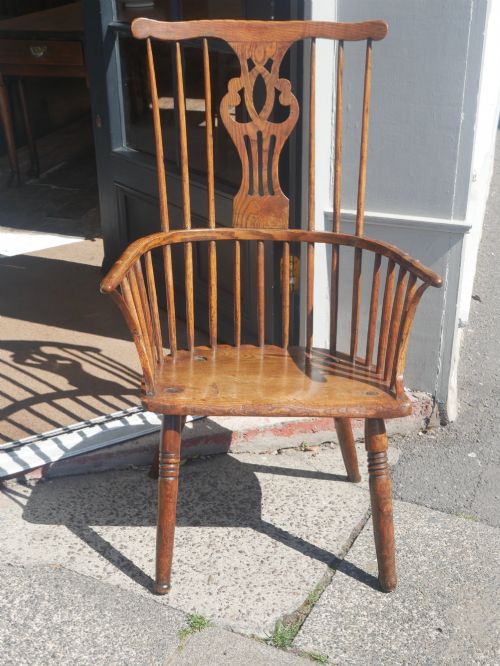
The distinction between standard utility seating and finer examples lies in the depth of hand-carving upon the central splat and the architectural sweep of the crest rail. Superior pieces display crisp punchwork, harmonious grain selection across combined timbers, and well-balanced proportions that maintain structural integrity without excessive bulk.
Patina and surface preservation dictate the visual strength of surviving pieces, separating those retaining original dry waxed finishes from heavily stripped examples. Original turned undercarriage stretchers and unreplaced seats indicate a higher degree of historical survival.
The Oak Splat Back Chairs Glossary
- Splat
- The central vertical wooden strip set into the back of a chair, often shaped, pierced, or carved to define the decorative style.
- Comb back
- A Windsor chair design where the spindles of the low back extend upward into a horizontal top rail resembling a traditional hair comb.
- Harlequin set
- A collection of chairs that match broadly in style, period, or material but were assembled from different original sources.
- Vernacular
- Furniture made by regional craftsmen for local domestic use rather than following strict metropolitan design blueprints.
- Saddle seat
- A wooden chair seat sculpted with hollowed depressions to provide ergonomic comfort for the sitter.
Oak Splat Back Chairs: Frequently Asked Questions
How do I care for an antique oak chair?
Keep wooden chairs away from direct heat sources and sudden humidity shifts to prevent timber shrinkage and joint loosening.
Feed the dry surface periodically with a traditional beeswax polish, buffing gently by hand to maintain the natural protective patina.
Are these chairs suitable for daily dining?
Many sturdy examples remain entirely functional for everyday dining provided joints are stable and secure.
Inspect the undercarriage stretchers regularly to ensure structural rigidity before placing heavy demands on older timber framing.
What is a Thames Valley chair?
Thames Valley chairs represent a specific regional British tradition known for generous proportions and fine wheel or spindle carvings.
These pieces frequently incorporate multiple woods like yew and elm within a single armchair frame.
How can I date an oak chair?
Dating relies on examining the joinery techniques, tool marks left by hand saws, and the wear patterns on the seat.
Stylistic shifts from high straight backs toward curved splats and comb crests offer further chronological markers.