

Porcelain Wall Painting
Porcelain wall painting brings together delicate ceramic surfaces and finely brushed pigments to create pictorial works displayed directly on interiors.
Porcelain Wall Painting
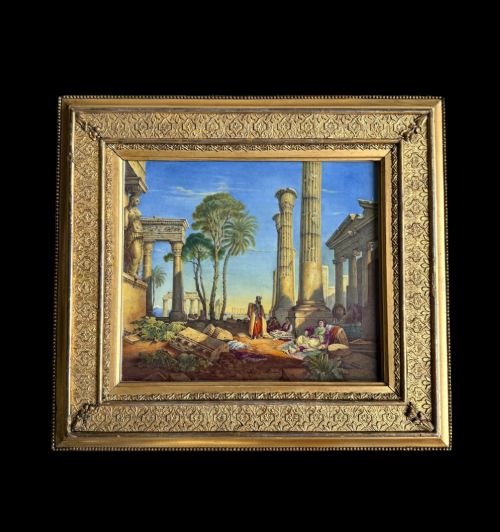
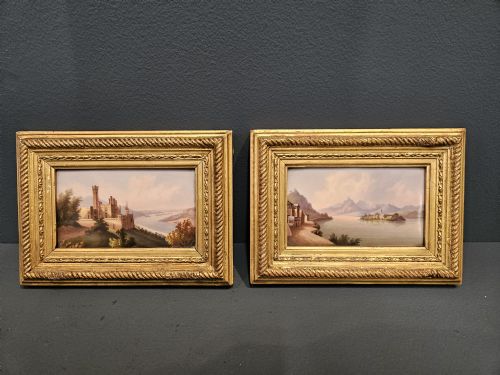
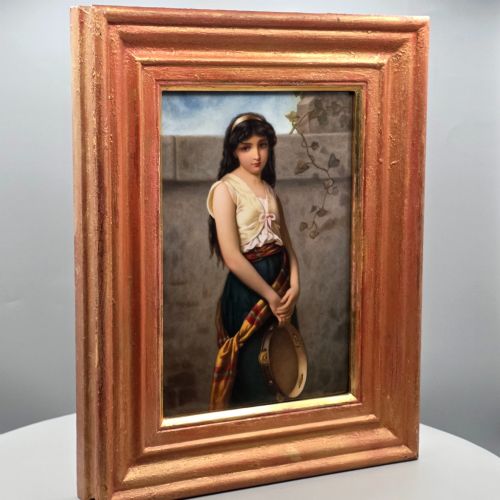
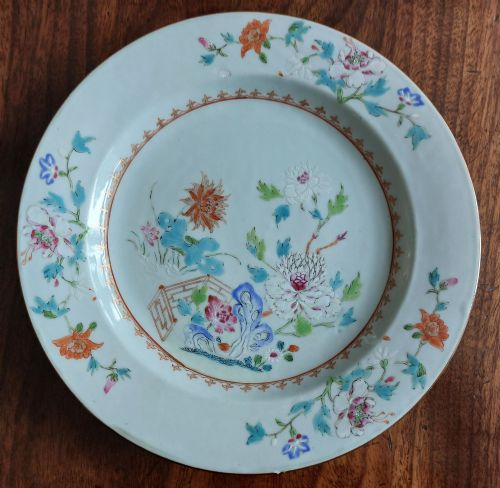
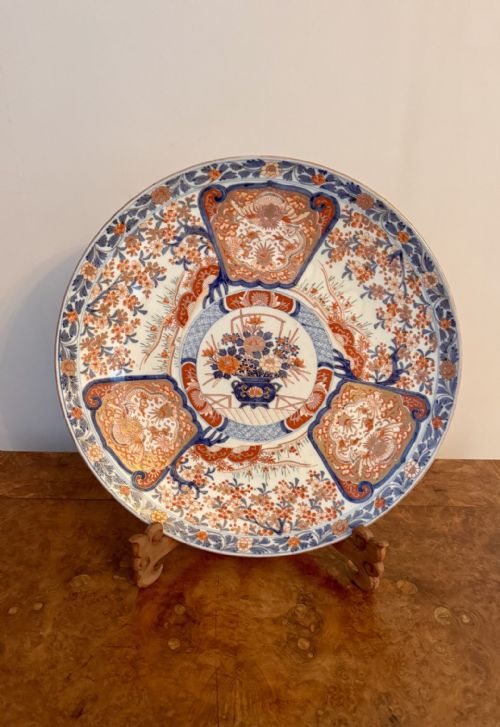
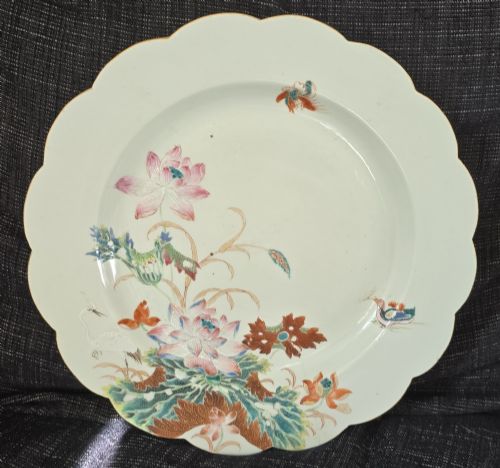
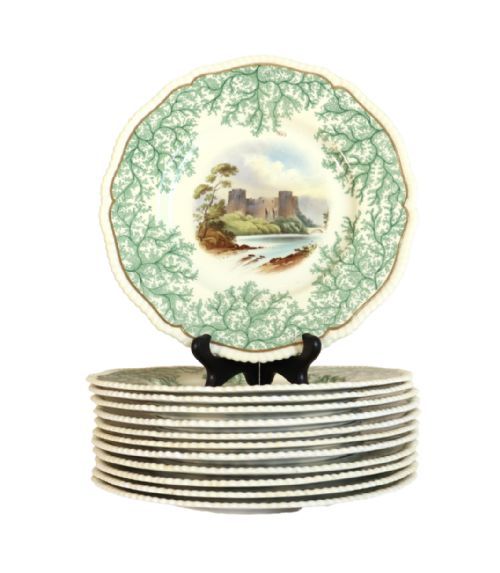
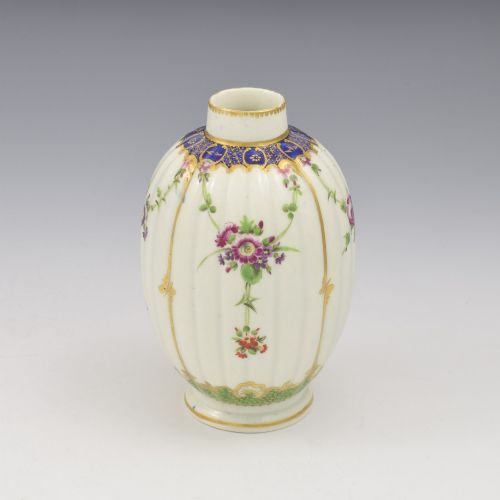
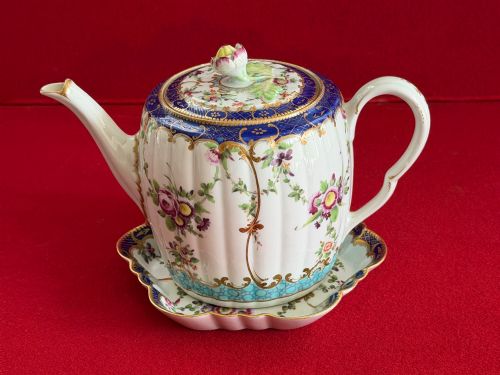
Porcelain wall painting encompasses framed ceramic plaques, decorative plates, and mounted cabinet pieces designed primarily for vertical display rather than table service. These objects range from eighteenth-century English manufactory productions to later nineteenth-century French and Japanese works.
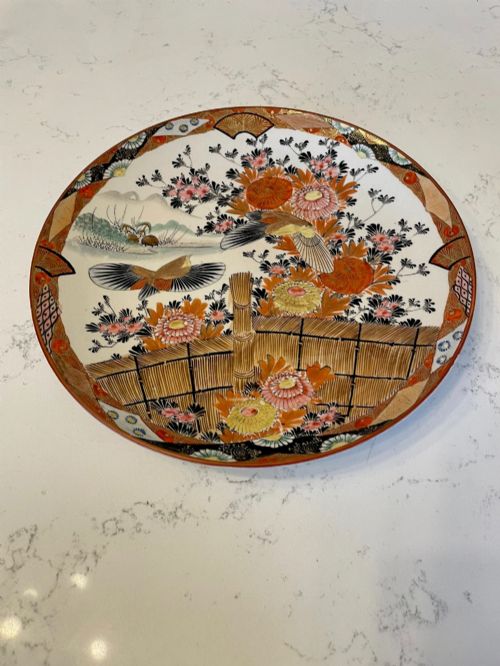
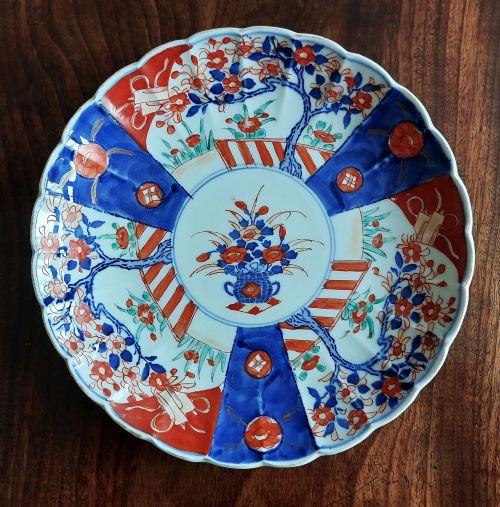
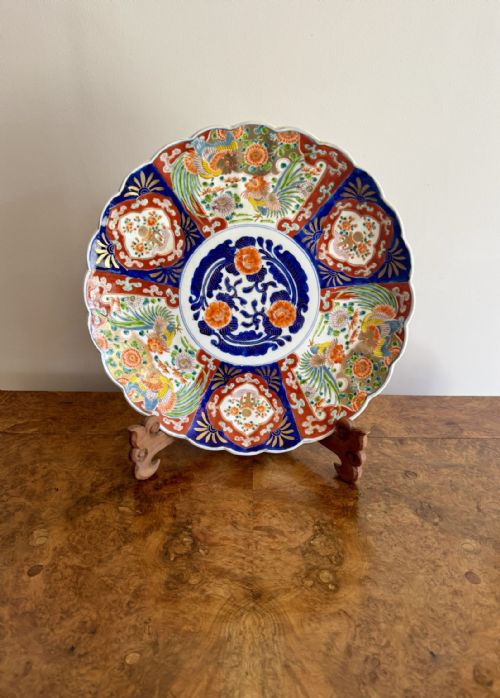
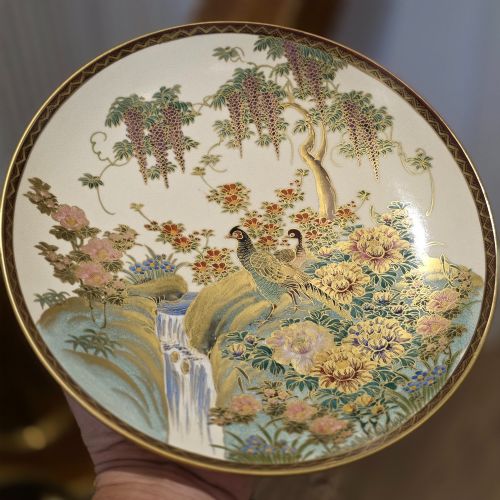
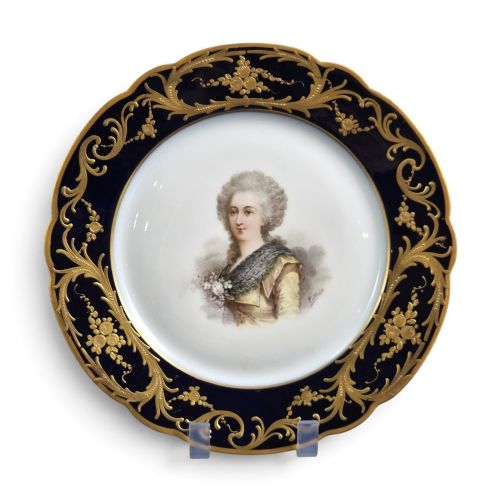
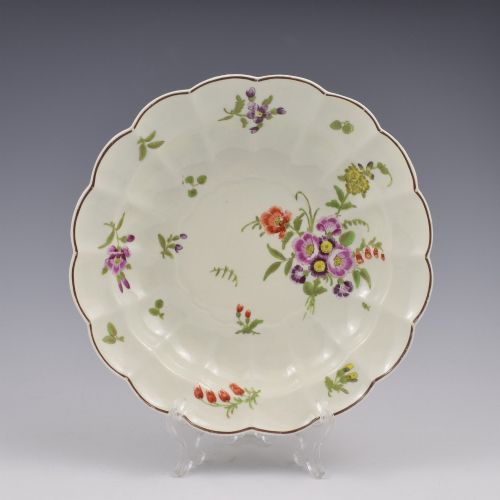
Buyers encountering this search phrase on this page will most frequently find hand-painted cabinet plates, chargers, and framed porcelain plaques originating from the eighteenth, nineteenth, and twentieth centuries. These pieces demonstrate diverse regional traditions, including traditional English botanical studies, Japanese Imari patterns, and continental portraiture.
The forms extend from circular wall art and porcelain corbels to large decorative chargers and framed rectangular plaques. Each item utilises the ceramic body as a canvas for detailed pictorial compositions executed in enamel and glaze.
Materials and technique
The creation of these pieces begins with fine ceramic bodies such as soft-paste porcelain, bone china, and hard-paste porcelain, which are shaped into plates, plaques, or vessels before initial firing. Artisans then apply pigments and enamels directly onto the prepared surface, frequently incorporating gold leaf and gilding to accentuate specific details.
Following the application of hand-painted motifs, the ceramic pieces undergo subsequent firings to fuse the enamel colours permanently with the underlying glaze. Some items feature additional cast bronze or ormolu mounts to facilitate wall suspension and enhance the overall decorative presentation.
Listings feature porcelain pieces spanning the eighteenth century, nineteenth century, Regency, and mid-twentieth century.
Assessing quality and execution
Quality in these painted porcelain works rests upon the precision and fluidity of the brushwork, particularly in detailed botanical, avian, or portrait subjects. Master painters achieve depth and subtle tonal graduation that lesser hands miss, transforming a standard ceramic blank into a refined pictorial composition.
The purity of the porcelain body and the stability of the glaze during firing also determine the standard of the piece. Superior examples maintain crisp outlines and vibrant enamels without blurring or pooling, supported by consistent gilding that retains its original brilliance.
Royal Worcester·John Davenport of Longport·Royal Crown Derby
The Porcelain Wall Painting Glossary
- Cabinet plate
- A decorative ceramic plate intended for display in a cabinet or on a wall rather than for dining use. These items usually showcase superior hand-painted artistry.
- Enamel
- Opaque or translucent glass-like substance fused to the porcelain surface through firing to provide the coloured pigment. It allows for intricate, multi-coloured pictorial scenes.
- Charger
- A large decorative plate or dish utilised either as a base setting or hung directly upon a wall. They provide an expanded surface area for complex landscape or floral compositions.
- Gilding
- The application of gold leaf or powdered gold onto the porcelain or glaze surface. It highlights rims, borders, and specific pictorial elements.
- Soft-paste porcelain
- An artificial ceramic paste composed of clay, glass, and other materials, fired at lower temperatures than hard-paste. It produces a warm, creamy texture common in eighteenth-century English works.
Porcelain Wall Painting: Frequently Asked Questions
How were porcelain wall paintings displayed historically?
Historically, porcelain wall paintings and decorative plates were mounted directly onto interior walls using specialised wire hangers, or displayed within specialised cabinetry and brackets to protect the delicate enamel surfaces.
Wealthy interiors often grouped multiple painted plates and plaques together to create symmetrical arrangements that highlighted their artistic merit and provenance.
What subjects appear most often on these pieces?
The pictorial subjects span natural history studies, including detailed British birds, lapwings, and botanical fruit specimens, alongside classical portraits and historical battle scenes.
Japanese Imari patterns featuring exotic birds and geometric motifs also appear frequently across nineteenth-century examples.
How do I distinguish between periods in porcelain painting?
Distinguishing periods relies on examining the characteristics of the porcelain body, the palette of the enamels, and any factory marks stamped or painted on the reverse. Eighteenth-century pieces often feature softer pastes and hand-pencilled cobalt or polychrome florals, while later nineteenth and twentieth-century works display brighter, kiln-fired enamel palettes and named artist signatures.
Can these decorative plates be hung securely on walls?
Many of these pieces were created with display in mind, featuring foot rings or custom mounts suitable for vertical hanging. Modern brass or coated wire spring hangers must be fitted carefully around the rim to support the weight without putting pressure on fragile painted edges.