


Porcelain Urn Table Lamp
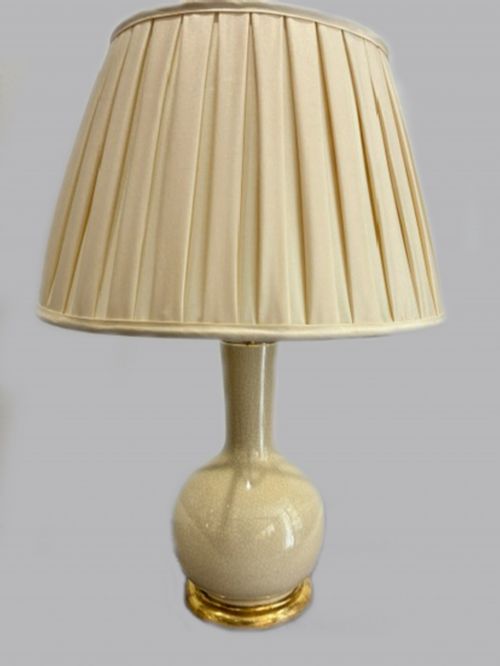
A porcelain urn table lamp brings classical form and warm illumination into a room, combining antique ceramic vessels with period metal mounts.
Porcelain Urn Table Lamp
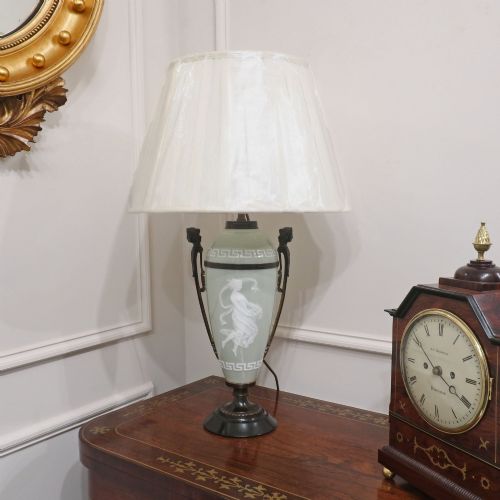
A porcelain urn table lamp transforms decorative vessels into functional lighting, spanning the eighteenth, nineteenth and early twentieth centuries. These pieces incorporate forms originally shaped as vases, ginger jars or lidded urns, subsequently mounted for electrical or oil illumination.
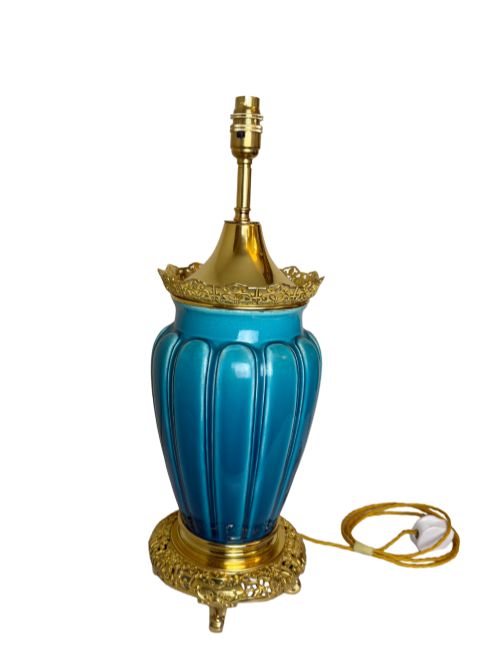
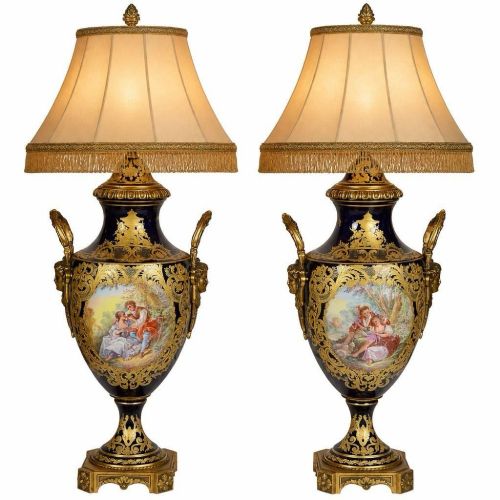
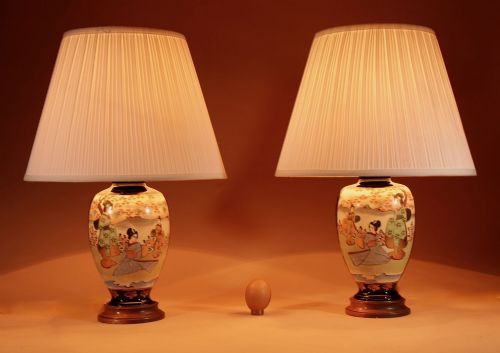
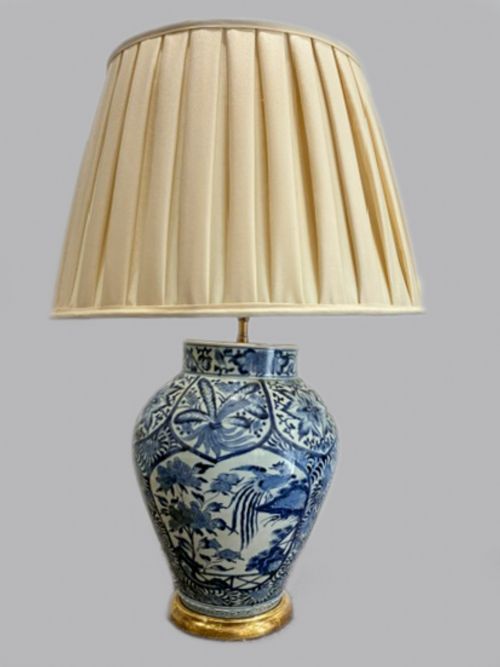
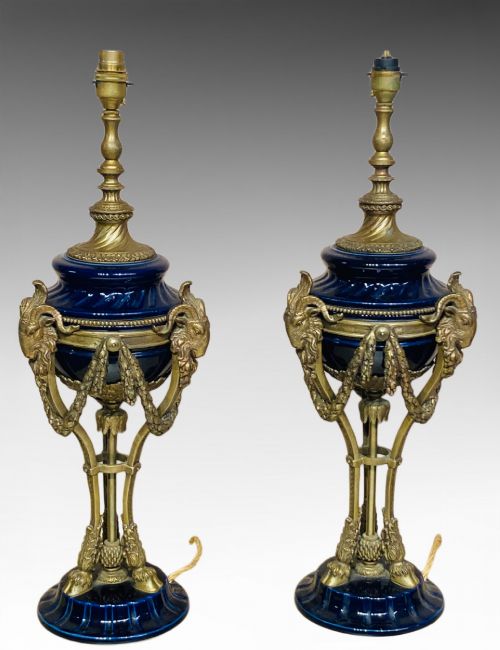
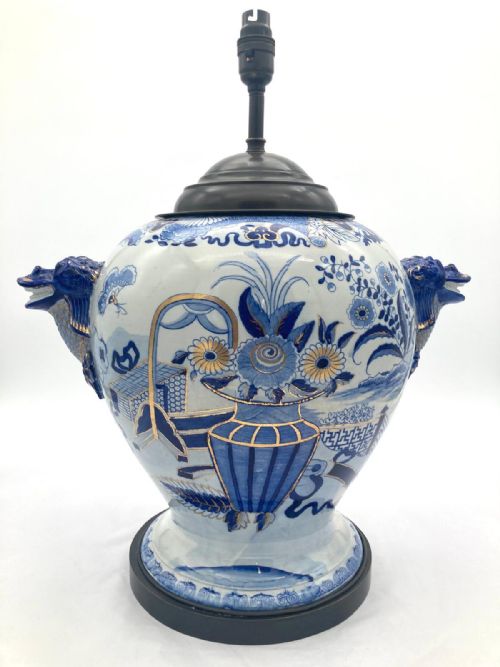
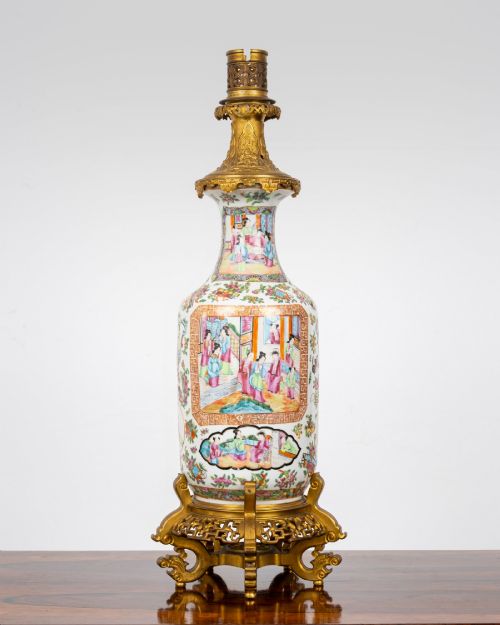
The selections encountered here frequently draw on French Neoclassical, Japanese Satsuma, Chinese export and blue and white traditions. Makers often utilised existing ceramic bodies, pairing them with gilt bronze, ormolu or brass bases and mounts during conversion.
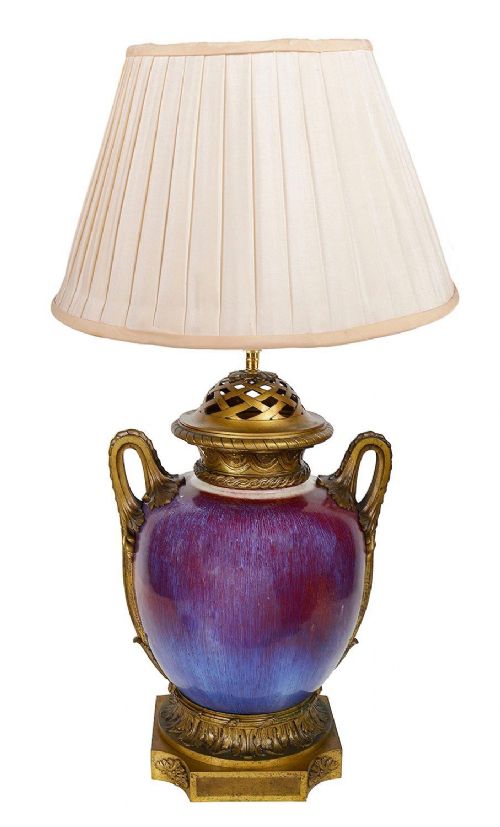
Dating ranges from the Georgian and Regency eras through the Victorian period and into the Edwardian decades. Buyers find single examples as well as matched pairs finished with fabric or silk shades.
Materials and Construction
The primary ceramic bodies utilise hard-paste porcelain, ironstone, stoneware and crackle ware, frequently decorated with hand-painted cobalt blue, famille rose or pate sur pate designs. These fired vessels display distinct regional glazing and surface textures from European and Asian kilns.
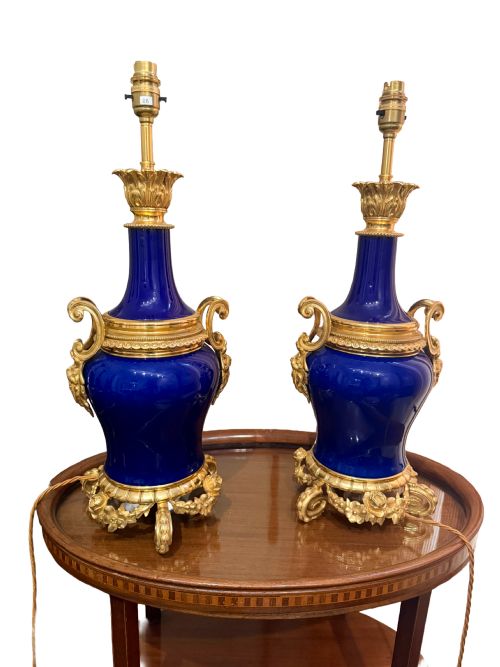
Metal components incorporate cast ormolu, gilt bronze, brass and copper, shaped into floral mounts, handles and weighted bases to support the ceramic body. Fabric and silk elements complete the shade construction, often paired with traditional wiring setups.
Several centuries-old Asian ginger jars now proudly wear twentieth-century wiring and silk hats.
Evaluating Quality and Craftsmanship
The fineness of the hand-painting and the crispness of the porcelain moulding separate standard production from superior examples. Master painters achieved intricate detail in polychrome enamels and gold gilt, while lesser pieces display simpler, repetitive brushwork.
The integration of the metal mounts dictates much of the physical merit. Finely cast ormolu and gilt bronze mounts fitted precisely to the contours of the porcelain body demonstrate superior workshop execution compared to generic or loose metalwork.
The Porcelain Urn Table Lamp Glossary
- Ormolu
- Gilt bronze ornamentation applied to furniture and lighting. This technique involves gilding a mercury and bronze amalgam.
- Satsuma
- Japanese earthenware or porcelain decorated with fine polychrome enamels and gilt. These pieces originated from the Satsuma Domain.
- Famille Rose
- A palette of Chinese porcelain enamels dominated by pink or opaque rose colour. Introduced in the Qing dynasty, it allowed for nuanced shading.
- Celadon
- Green-glazed pottery originating in China, known for mimicking jade. The subtle green tone results from iron oxide in the glaze during reduction firing.
- Pate sur pate
- A ceramic decorating technique where relief designs are built up in successive layers of liquid clay slip. This method creates a cameo-like effect on the coloured porcelain body.
Porcelain Urn Table Lamp: Frequently Asked Questions
How do I date a porcelain lamp?
Dating relies on stylistic clues within the ceramic body, the glazing techniques, and the composition of the metal mounts. Examining the type of porcelain and decorative motifs helps place the piece within periods such as the Victorian era or the nineteenth century.
Conversion methods also offer context, as earlier oil lamp adaptations differ structurally from later electrical conversions. Comparing the ceramic marks and mounting styles against known historical periods confirms the age of the base.
Are these lamps originally made as lighting?
Many examples began life as decorative vases, ginger jars, or lidded urns before being converted into lamps at a later date. Craftsmen added drilled bases and metal fittings to accommodate electrical components while preserving the antique ceramic vessel.
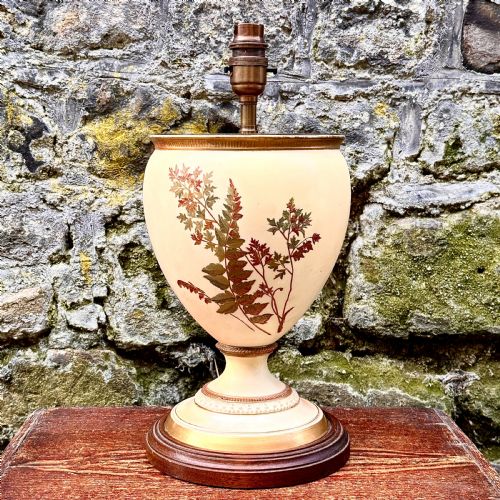
Some nineteenth-century pieces were manufactured specifically as oil lamps using ceramic and brass reservoirs. Over time, these oil configurations were frequently rewired for modern domestic electrical use.
How do I clean antique porcelain lamps?
Dusting the ceramic body and fabric shade regularly with a soft, dry cloth prevents grime accumulation. Avoid harsh chemical cleaners that can damage fragile hand-painted glazes, gilt highlights, and historic patination on the metal mounts.
Metal components benefit from gentle wiping with a dry microfiber cloth to preserve the finish of the ormolu or brass. Care must be taken around wired areas to avoid moisture exposure.