
Carved Wood Lamp Stand
These carved wood lamp stand pieces combine practical illumination with sculptural timberwork, offering a sturdy yet decorative anchor for any room.
Carved Wood Lamp Stand
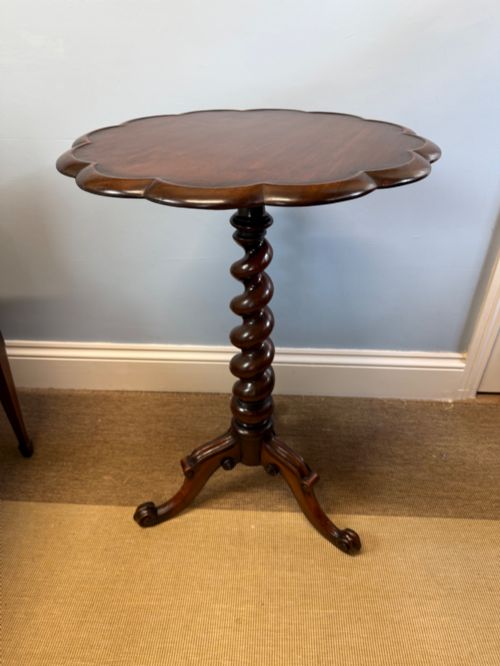
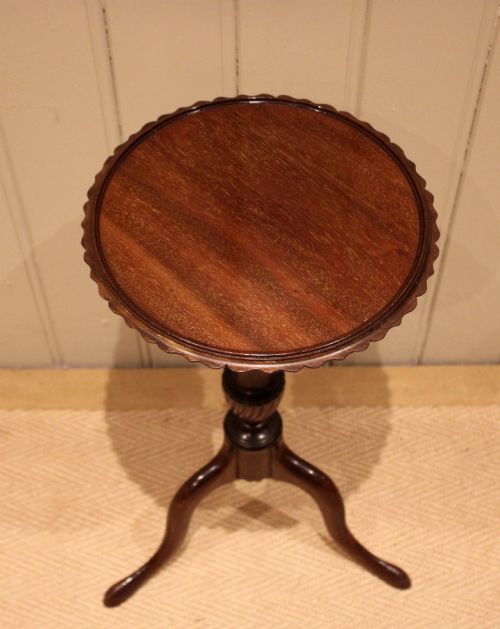
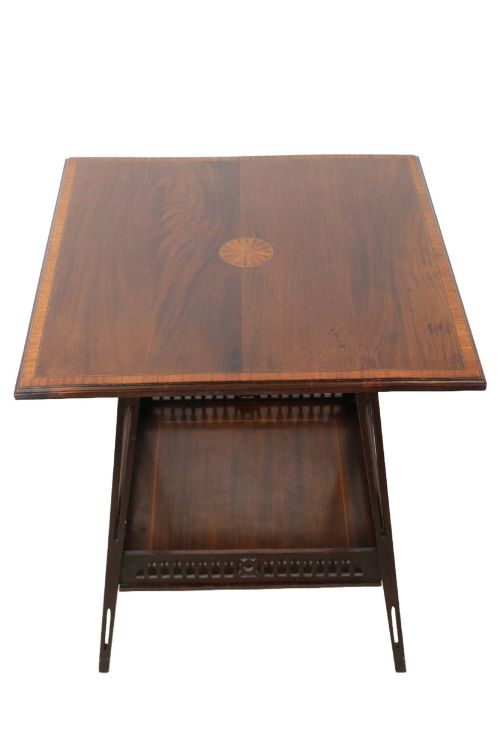
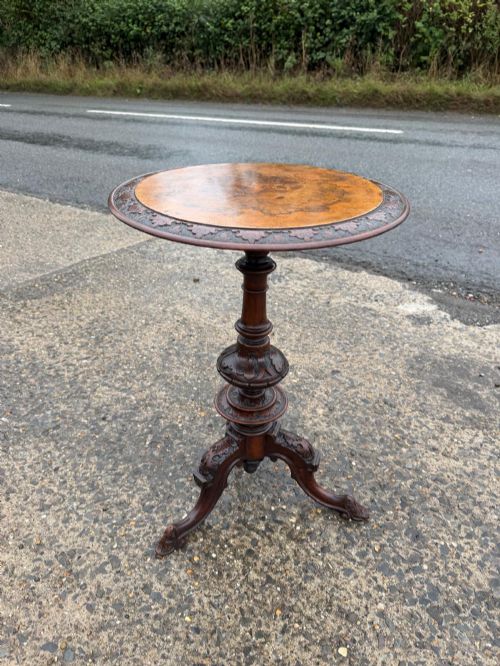
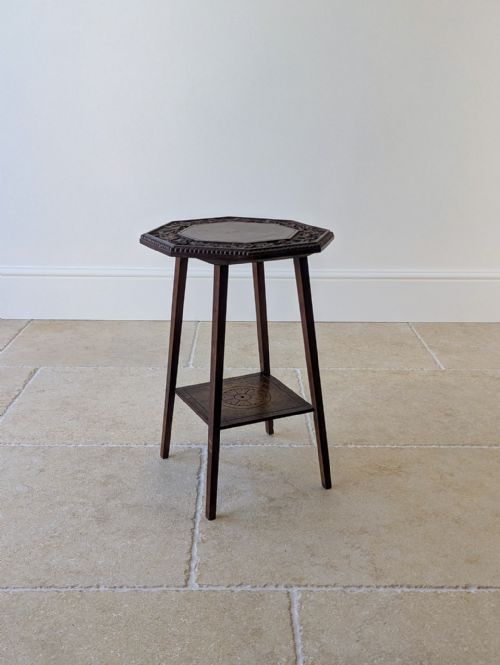
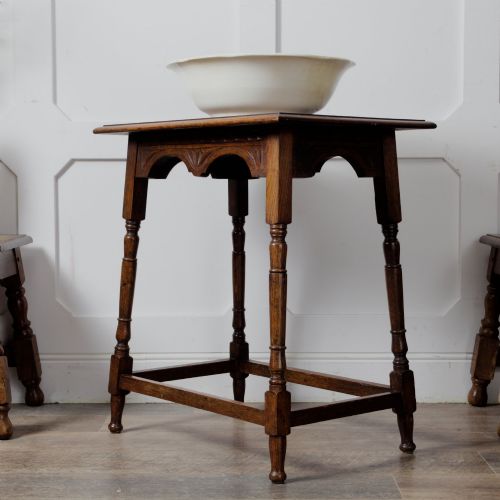
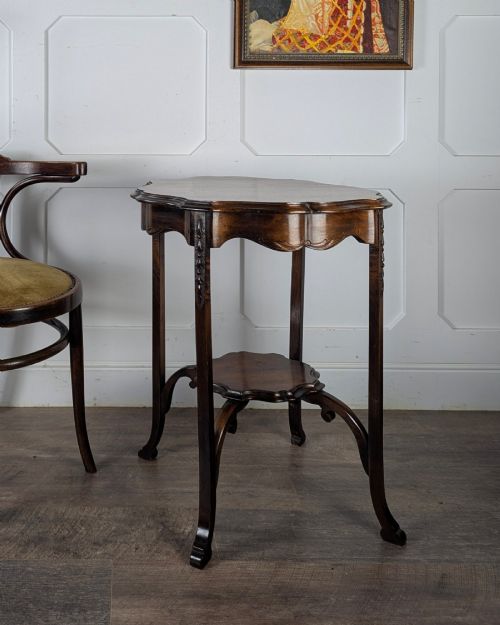
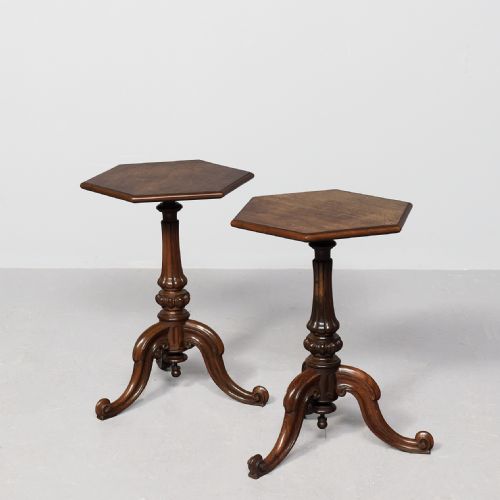
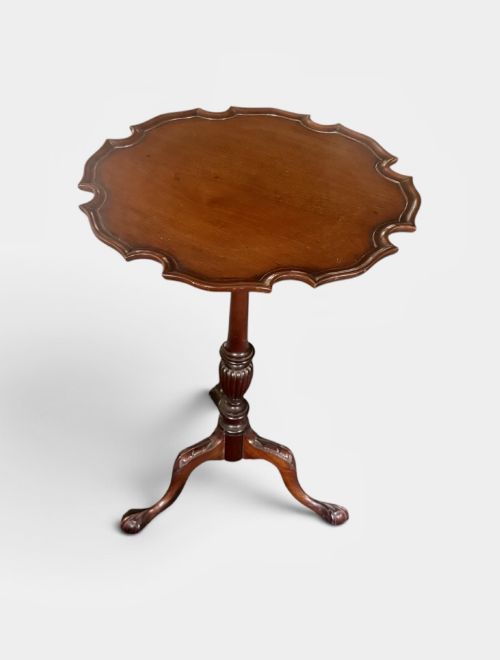
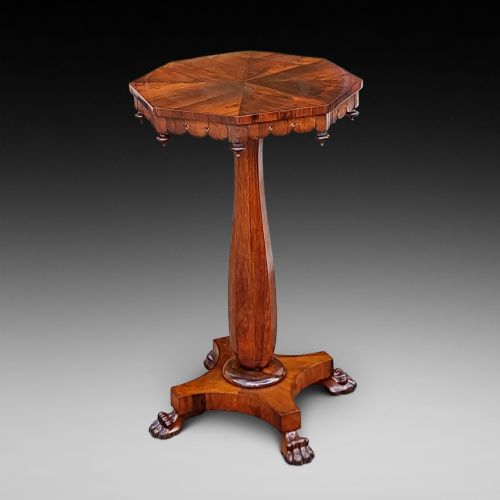
A carved wood lamp stand encompasses tall standard floor lamps alongside smaller occasional tables, side tables, and torcheres designed to hold lighting. Buyers seeking a carved wood lamp stand will frequently encounter Victorian and Edwardian examples shaped from mahogany, oak, and walnut.
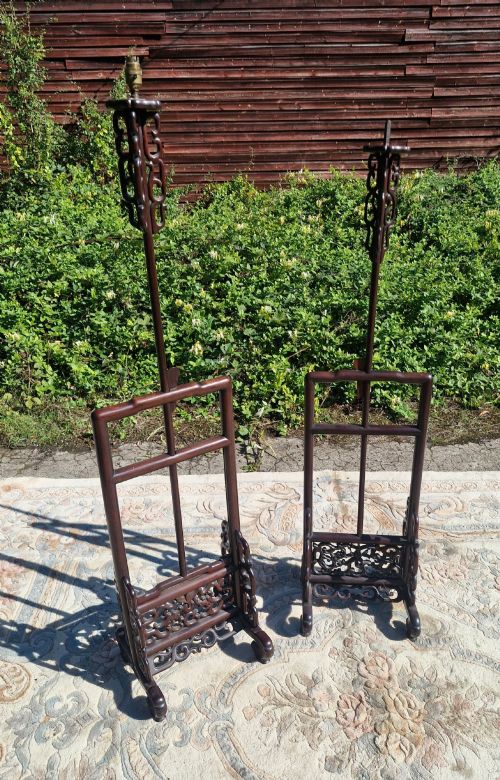
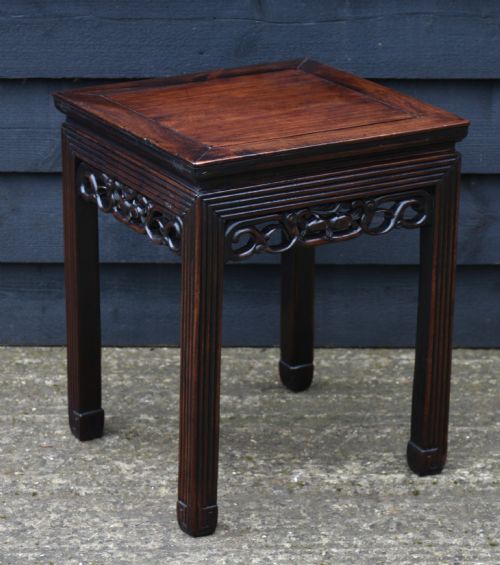
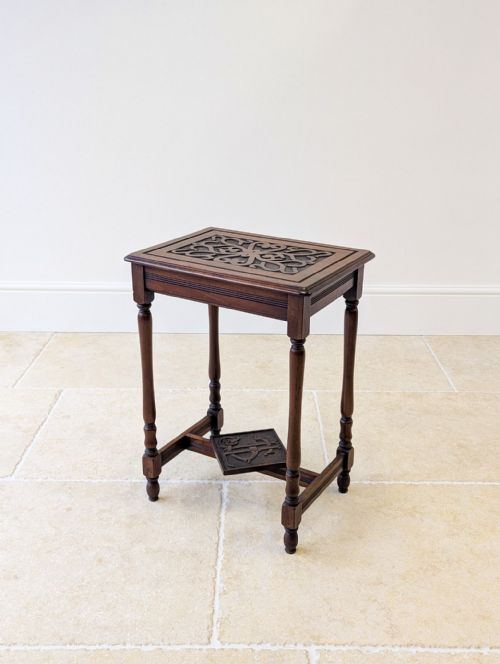
The selection ranges from tripod tables and barley twist pedestals to heavy Chinese hardwood standards and Italian giltwood torcheres. Smaller side tables often double as lamp stands, while upright floor standards utilise weighted bases to support tall fabric shades.
Materials and Construction
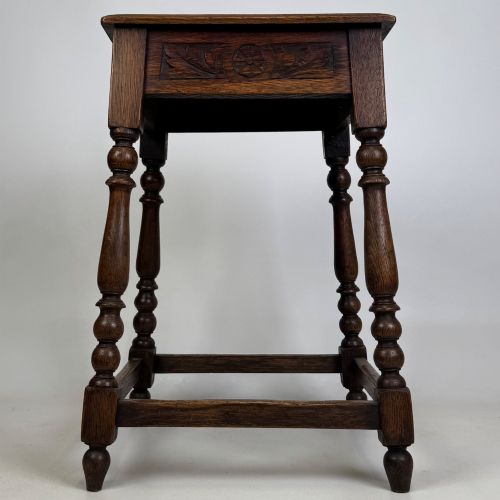
Cabinet makers utilised dense hardwoods such as mahogany, walnut, rosewood, and oak, often turning them on lathes to create baluster shafts and bobbin galleries. Surface decoration relies on hand-carving, inlay, and giltwood finishing rather than applied veneers.
Structural stability is achieved through tripod legs, heavy plinths, and mortise and tenon joints. Upright lamp standards often incorporate internal channels for wiring alongside turned wooden collars and carved capital details.
Some tall floor standards hide intricate wooden dragons wrapped tightly around the column, keeping watch over the sitting room corner.
Evaluating the Pieces
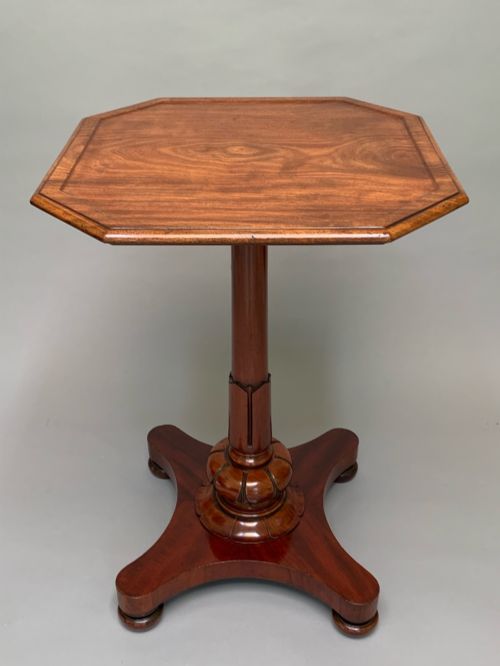
Quality rests upon the crispness of the hand-carving and the selection of timber, such as burr wood tops or well-figured mahogany. Superior examples display balanced proportions, tight joinery, and original patination rather than flat machine milling.
The distinction between ordinary and exceptional work lies in the depth of the carved details, such as intricate foliage, dragon motifs, or fluted columns, which retain their sharp edges across the centuries.
Trevor Page & Co·Shapland and Petter·Liberty of London
The Carved Wood Lamp Stand Glossary
- Torchiere
- A tall stand or floor lamp designed to hold a light pointing upwards. These pieces often feature slender carved shafts resting on tripod bases.
- Tripod Table
- A small round table supported by three legs stemming from a central pillar. This form provides steady placement on uneven historical floors.
- Barley Twist
- A turning technique where the timber is shaped into a spiral resembling a stalk of barley. This profile appears frequently on table stems and floor lamp shafts.
- Pie Crust Rim
- A raised, decoratively carved edge shaped in undulating curves around the top of a table. It prevents small items from rolling off the surface.
Carved Wood Lamp Stand: Frequently Asked Questions
How do I choose the right height?
Floor-standing lamp standards generally reach eye level when seated, making them suitable for corner placement beside armchairs or sofas. Smaller table stands sit comfortably next to lower seating or serve as bedside surfaces.
Consider the height of your lamp shade and the placement of nearby furniture to ensure the light source remains balanced within the room.
Were these originally wired for electricity?
Most antique floor standards and lamp tables were adapted from oil lamps, gas lighting, or simple display stands when electricity became widespread. Makers frequently converted these wooden pieces by running internal wiring through the turned central columns.
When buying, check that the wiring meets modern safety standards while preserving the historic timber structure.
How do I care for the timber?
Maintain the surface of your carved wood lamp stand by dusting regularly with a dry, soft cloth to prevent grit from settling in the carved recesses. Apply a traditional beeswax sparingly to nourish the hardwood and preserve the natural sheen.
Keep wooden pieces away from direct heat sources and strong sunlight to prevent the timber from drying out or splitting.
How do I tell Victorian from Edwardian pieces?
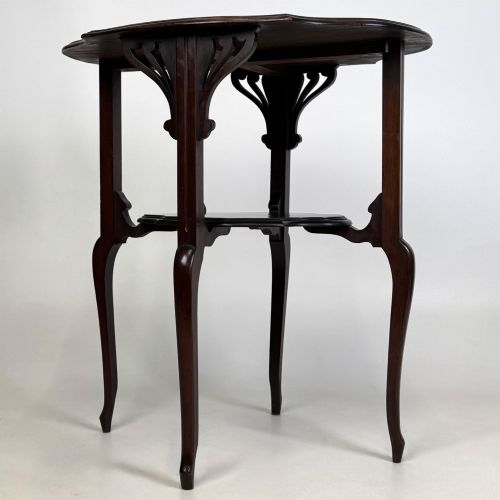
Victorian lamp stands often feature darker, heavier timbers like walnut and mahogany with deep, dense carving and bobbin galleries. Edwardian examples tend to introduce lighter framing, subtle inlay work, and simpler Arts and Crafts influences.
Examining the construction methods and secondary woods on the underside will usually confirm the manufacturing period.