


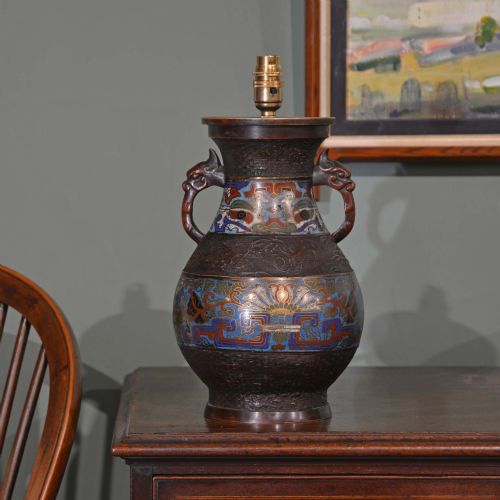


Converted Chinese Vase Lamps
Converted chinese vase lamps bring centuries of oriental ceramic artistry into domestic lighting, combining antique vessels with electrical fittings.
Converted Chinese Vase Lamps
These pieces are historical vessels adapted into table lamps, offering a blend of utility and decorative presence. When searching for converted chinese vase lamps, buyers encounter diverse forms ranging from baluster vases to mounting pairs.
The inventory on this page consists predominantly of nineteenth century examples alongside eighteenth century and nineteen-twenty items. Materials span porcelain, bronze, brass, wood, metal, enamel, and ormolu, reflecting distinct periods like the qing dynasty and chinese export styles.
Most items function as table lamps, utilising bodies decorated in blue and white, crackleware, powder blue, celadon, rose medallion, and cloisonné. French nineteenth century influences and chinoiserie aesthetics also appear frequently among the listings.
How they were made
The physical construction of these lamps relies on combining ceramic or bronze bodies with metal mounts such as brass and ormolu. Artisans mounted antique vessels onto wooden or metal bases to ensure stability as lighting fixtures.
Ceramic bodies utilise traditional techniques including hand-painting, gilding, and enamelling on porcelain surfaces. Bronze and cloisonné examples demonstrate metalworking methods characteristic of nineteenth century oriental production and French workshops.
Listings feature porcelain, bronze, brass, wood, metal, enamel, and ormolu across eighteenth and nineteenth century periods.
What varies in quality
Quality differences stem from the artistic execution of the original vessel and the integration of the mounting hardware. Finer porcelain pieces exhibit superior hand-painting, controlled glaze effects, and crisp cobalt application.
The refinement of the metal mounts, whether ormolu, brass, or bronze, distinguishes standard adaptations from superior examples. Pairs matched by size, palette, and decorative scheme hold greater cohesion than mismatched assemblies.
The Converted Chinese Vase Lamps Glossary
- Celadon
- A pale green jade-like glaze originating in China. It provides a subtle translucent finish on porcelain vases.
- Ormolu
- Gilded bronze used for decorative mounts and fittings. It frequently frames eighteenth and nineteenth century porcelain vessels.
- Baluster
- A vase shape with a rounded body and a narrow neck. This form serves as a common base for table lamps.
- Cloisonné
- Enamelling technique using metal wires to partition different coloured pastes. The surface is fired and polished smooth.
- Crackleware
- Pottery featuring a network of fine cracks in the glaze applied intentionally for texture. It appears across multiple nineteenth century items.
Converted Chinese Vase Lamps: Frequently Asked Questions
Are these lamps safe to use today?
Most converted chinese vase lamps require professional rewiring to meet modern electrical standards. Buyers should have a qualified electrician inspect the internal wiring before regular use in the home.
Original ceramic bodies remain undamaged during proper conversion processes, allowing the antique vessel to function safely as domestic lighting.
How do I date a vase lamp?
Dating relies on examining the ceramic body, glaze characteristics, and decorative style rather than the electrical components. Eighteenth and nineteenth century pieces display distinct potting techniques and palette choices.
Stylistic markers such as qing dynasty motifs or French nineteenth century ormolu mounts help narrow the period of origin.
Can I find matching pairs easily?
Pairs of converted chinese vase lamps appear regularly in inventories, often featuring matching powder blue, crackleware, or rose medallion finishes. These matched sets provide symmetrical lighting for sideboards or mantels.
Individual lamps also feature prominently, offering distinct decorative focal points for smaller spaces.
Where should I place a vase lamp?
These lamps suit living rooms, studies, and hallways where their height and decorative presence create ambient lighting. Placing them on sturdy tables ensures the heavy porcelain or bronze bases remain secure.
Complementary fabric shades complete the setup, diffusing light across the hand-painted or enamelled surfaces.