

Chinese Blue White Ceramic
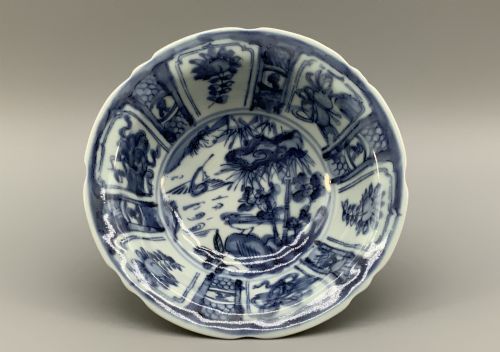
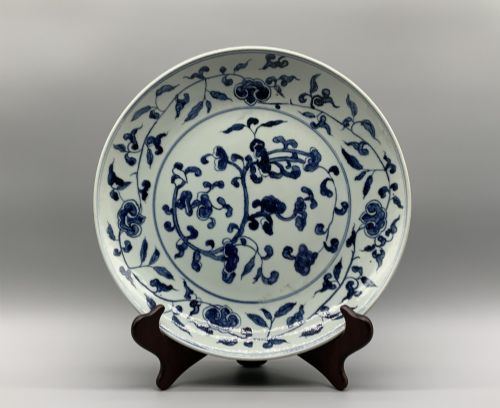
Chinese blue white ceramic pieces are classic porcelain vessels and plates painted with cobalt pigment, prized for centuries for their crisp contrast and enduring elegance.
Chinese Blue White Ceramic
When you search for chinese blue white ceramic, you encounter centuries of kiln traditions spanning imperial reigns, domestic service wares, and pieces made specifically for export to European markets.
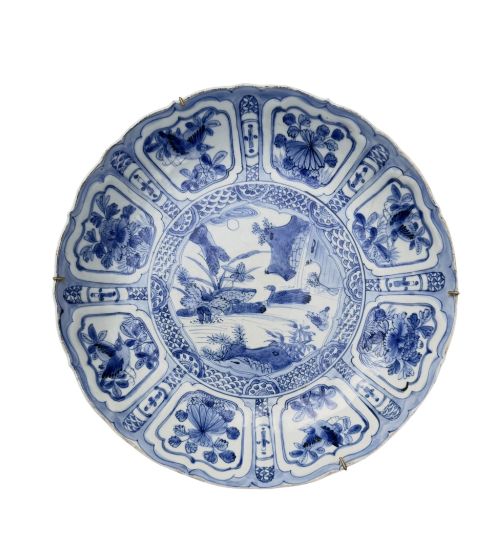
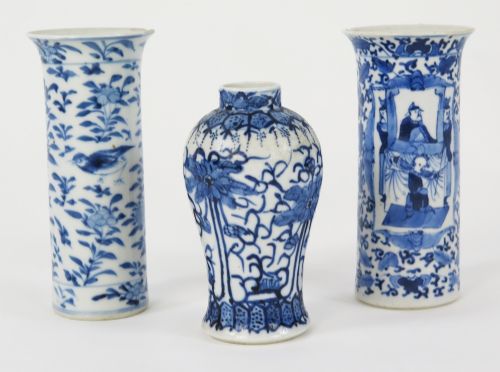
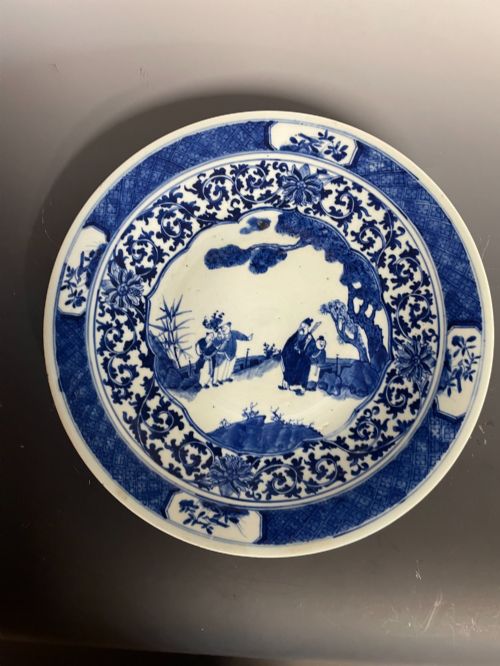
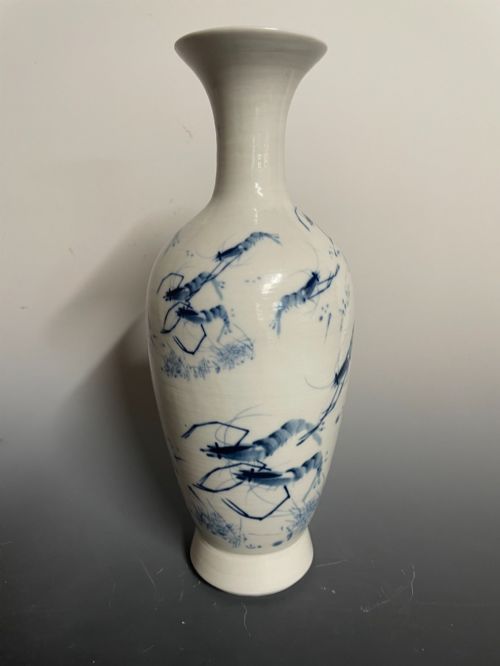
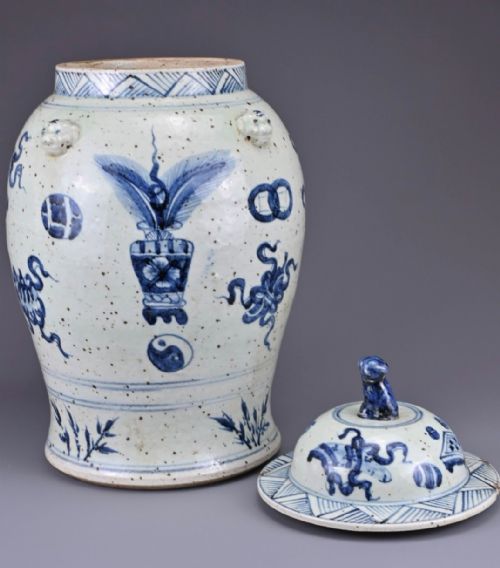
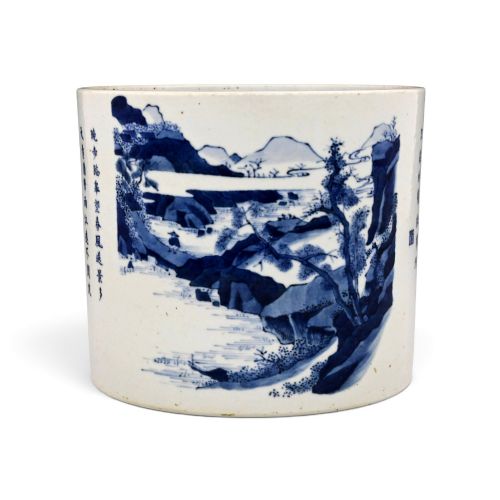
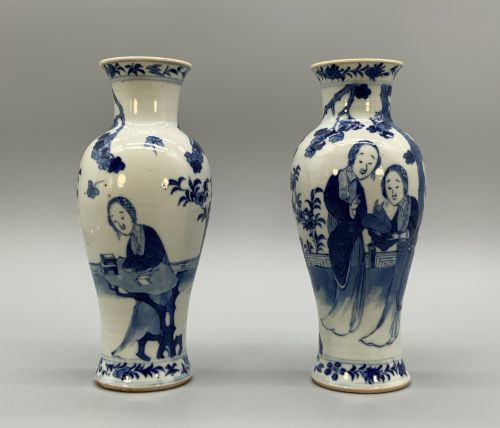
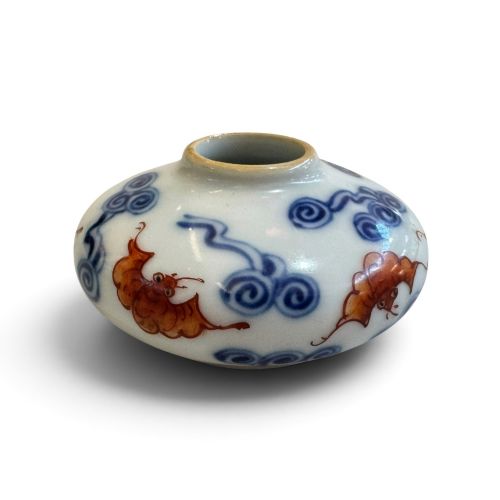
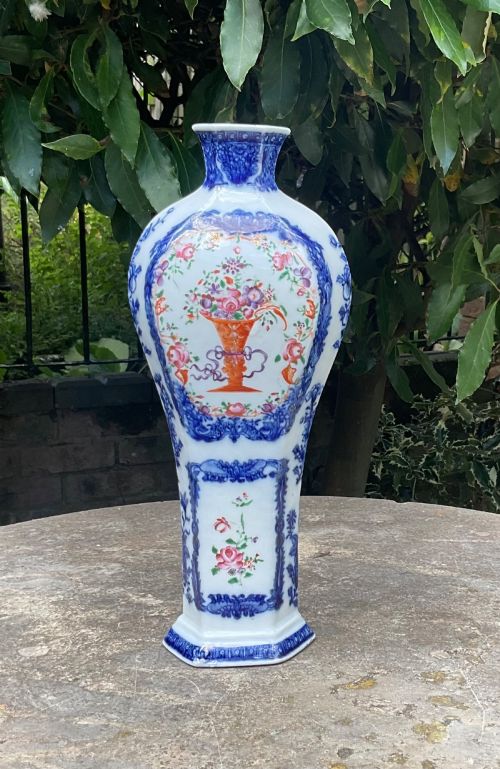
The selections on this page are most frequently represented by utilitarian and decorative forms such as chargers, ginger jars, brush pots, and vases originating from the Kangxi period through the Qing dynasty and into the nineteenth century.
Alongside traditional Chinese production, the category also encompasses European interpretations like English porcelain and Japanese Arita wares created in direct imitation of these celebrated oriental aesthetics.
Materials and construction
The foundation of these objects is fine white porcelain or pottery, shaped on the wheel or pressed in moulds before receiving hand-painted cobalt underglaze decoration.
Potters applied cobalt pigment directly to the unglazed clay body, after which a clear glaze was applied and the piece fired at high temperatures to vitrify the ceramic and fuse the blue pigment beneath the glassy surface.
Secret spring palace snuff bottles provided discreet pockets of miniaturised mischief during the Daoguang era.
Assessing quality
Quality rests upon the purity of the white porcelain body, the depth and clarity of the cobalt blue pigment, and the precision of the brushwork across the painted motifs.
Superior examples demonstrate confident, fluid lines in the underglaze painting, balanced proportions, and careful finishing at the base, whereas lesser items show muddy pigment bleeding or rushed, formulaic decoration.
Minton
The Chinese Blue White Ceramic Glossary
- Cobalt Underglaze
- A blue pigment applied to pottery beneath a transparent glaze before high-temperature firing. This technique protects the painted design from wear over centuries of handling.
- Kangxi Period
- A major era of Qing dynasty ceramic production lasting from 1662 to 1722. Pieces from this time are noted for brilliant cobalt tones and exceptional technical refinement.
- Chinese Export
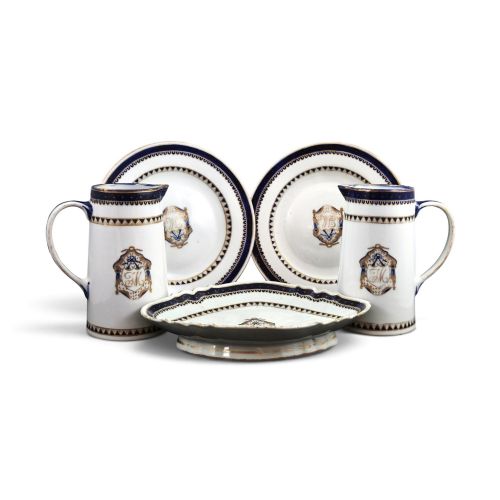
- Porcelain manufactured in China specifically for trade with Western markets from the seventeenth to the nineteenth centuries. These items often combined traditional Chinese techniques with European shapes and monograms.
- Charger
- A large decorative plate or platter intended for display rather than standard dining use. They provide expansive surfaces for intricate landscape, floral, or figural compositions.
- Doucai
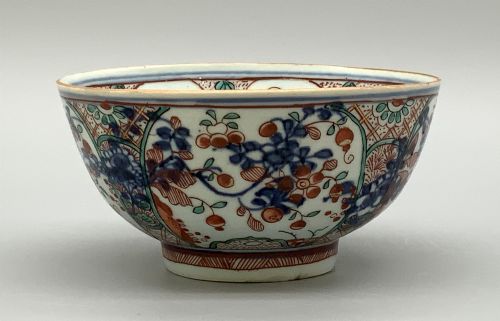
- A decorative technique combining underglaze blue outlines with overglaze enamels filled in subsequently. The method requires multiple kiln firings to achieve its layered polychrome effect.
Chinese Blue White Ceramic: Frequently Asked Questions
How were chinese blue white ceramic vessels used?
These objects served diverse functions ranging from everyday storage jars and tea vessels to scholarly desk accessories like brush pots and ceremonial imperial chargers.
Larger forms such as garden seats, fish bowls, and monumental vases were also designed to ornament domestic interiors and palace courtyards alike.
How do I identify a Kangxi period piece?
Kangxi period ceramics often feature vibrant cobalt blue tones ranging from soft washes to deep sapphire, applied with meticulous brushwork.
Many bear apocryphal reign marks or Chenghua period markers on the base, though dating relies primarily on paste quality, form, and stylistic convention.
What is the difference between export and imperial wares?
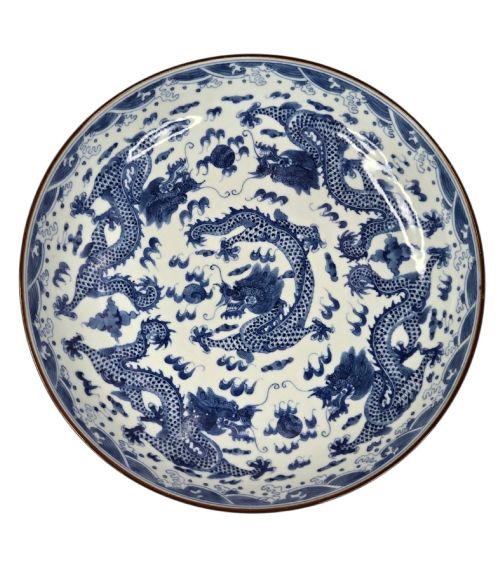
Imperial wares were produced directly for the Chinese imperial court under strict aesthetic supervision, featuring refined motifs like five-clawed dragons and specialised reign marks.
Export wares were tailored for Western tastes, frequently incorporating European heraldry, monograms, or adaptations of domestic shapes alongside traditional landscapes.
How should I care for antique porcelain?
Display these ceramics away from direct sunlight and areas subject to sudden temperature fluctuations to protect the glaze and body from stress.
Dust them gently with a soft, dry cloth and avoid harsh chemical cleaners or submersion in water, particularly for pieces with overglaze enamel decoration.