






Porcelain Planter Pot
Porcelain planter pots are durable ceramic vessels designed to hold growing plants, bringing decorative colour and formal planting indoors.
Porcelain Planter Pot
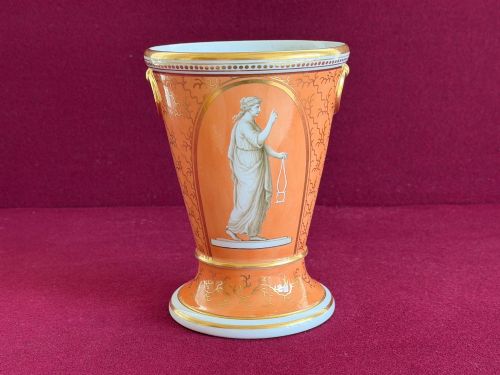
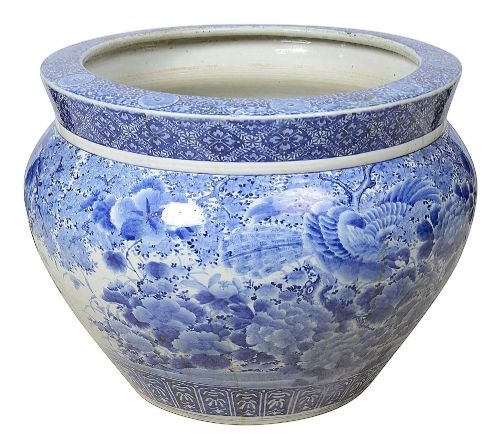
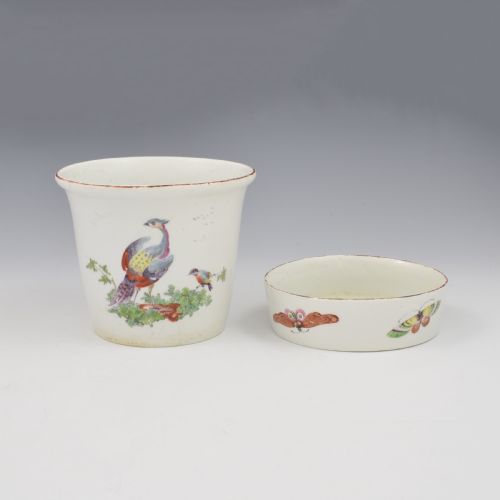
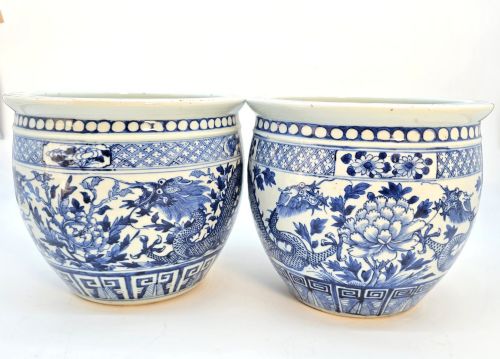
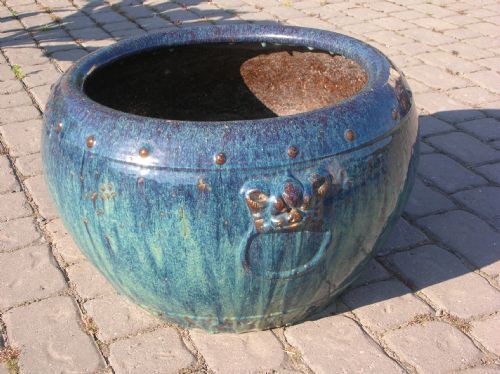
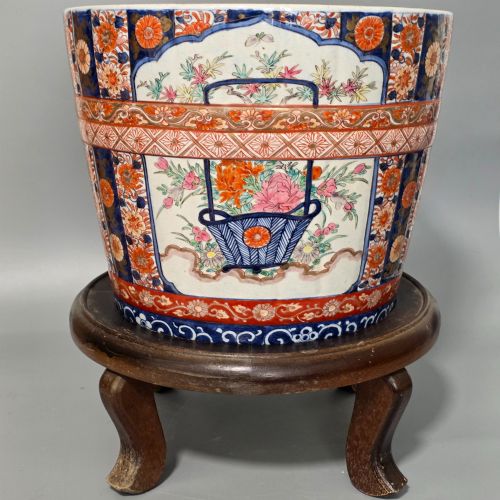
A porcelain planter pot, frequently designated as a jardiniere, cachepot or bough pot, serves primarily to house potted plants and flowers within domestic interiors. The examples encountered on this page encompass substantial Chinese fish bowls, Japanese Imari basins, and refined English porcelain vessels from factories such as Royal Worcester and Worcester.
The forms range from large 18th-century Imari export pieces and hexagonal planters with drip trays to late 19th-century blue and white cachepots and French hand-painted jardinières. Buyers discover various iterations spanning the Georgian, Victorian, and Edwardian periods, alongside Qing Dynasty and Meiji period imports.
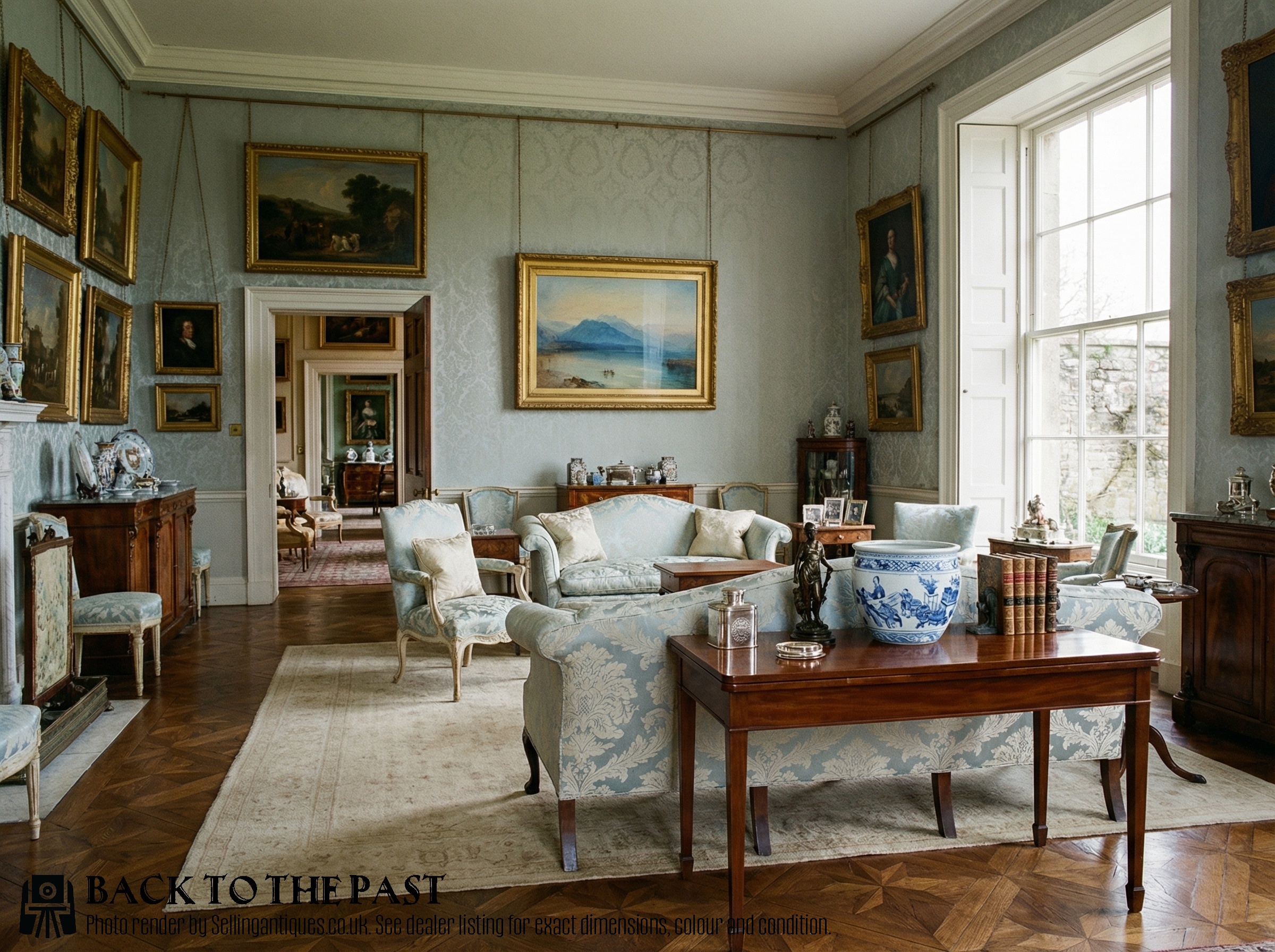
Vessels often appear alongside associated hardwood stands or silver-plated flower pot stands, demonstrating how these objects functioned in period interiors. Alongside traditional jardinières, the selection includes related ceramic forms such as vases, bough pots, and chamber pots repurposed for floral display.
How they were made
Makers utilised porcelain and ceramic bodies shaped into circular, oval, or hexagonal forms, frequently finished with cobalt underglaze pigments, enamel painting, and gold leaf detailing. Chinese and Japanese pieces relied on cobalt pigment under high-fired glaze, while European factories employed intricate hand-painted enamel decoration.
Techniques varied from the delicate potting methods of 18th-century English works to the robust construction of large Chinese fish bowls and Japanese Imari planters. Certain pieces incorporate specialised additions, such as matching porcelain drip trays, associated hardwood stands, or structural elements like faux bamboo moulding.
Listings feature porcelain planter pots spanning the 18th, 19th, and early 20th centuries, alongside styles from Chinese Qing Dynasty to Japanese Imari and European Regency.
What varies in quality
The distinction between standard commercial output and superior execution lies in the crispness of the hand-painting, the depth of the cobalt underglaze, and the precision of the porcelain body. Pieces bearing identifiable factory marks or attributable to established English and continental potteries command greater interest due to documented provenance.
The overall balance of the form and the preservation of delicate enamel work and gold leaf detail determine the standing of individual pieces. Substantial vessels that retain matching components, such as original drip trays or associated hardwood stands, represent a higher tier of historic manufacture.
Flight And Barr·Barr Flight And Barr·Royal Worcester·Royal Doulton·Coalport·Dresden·Samson
The Porcelain Planter Pot Glossary
- Jardiniere
- A large ornamental pot or stand for holding flowers or plants. These ceramic vessels often stand on the floor or a dedicated base.
- Cachepot
- An ornamental pot used to conceal a plain flower pot holding a plant. The term translates from French as hiding pot.
- Imari
- A style of Japanese export porcelain decorated in underglaze blue, iron red, and gold. This palette became widely popular across European interiors.
- Famille Rose
- A major palette of Chinese ceramic glazes introduced in the Qing dynasty, characterised by opaque pink or purple enamel colours. It translates as pink family.
- Bough pot
- A decorative ceramic vessel designed specifically to hold cut branches and flowering boughs. These pots often feature perforated lids to arrange stems.
Porcelain Planter Pot: Frequently Asked Questions
What is a porcelain planter pot used for?
These vessels primarily function as decorative containers to hold live plants, potted flowers, or cut greenery inside the home. They allow householders to display greenery without placing damp soil directly on fine furniture.
Historically, larger examples like fish bowls and heavy jardinières stood on floors or tables in reception rooms and conservatories. Smaller cachepots sat on windowsills, mantelpieces, or dedicated plant stands to brighten interior spaces.
How do I care for a antique porcelain planter?
Protect the glazed surface by placing a modern plastic liner or saucer inside the vessel to contain moisture and soil. This prevents water from seeping into unglazed ceramic bases or older body material.
Clean the exterior gently using a soft, dry cloth or lukewarm water without harsh chemical detergents. Avoid exposing painted enamels or gold leaf details to abrasive scrubbing or prolonged soaking.
How can I tell the period of a piece?
Examine the base for factory seals, four-character marks, or painted maker signatures that correspond to specific eras like the Qing Dynasty or Meiji period. Stylistic clues such as Japanese Imari palettes or English blush ivory finishes also point toward distinct decades.
Consider the weight, thickness, and potting style of the ceramic body alongside any accompanying hardware like hardwood stands. Earlier pieces often display hand-thrown irregularities and distinct glaze pooling compared to later mass-produced items.
Where were these planters manufactured?
The selection includes significant pieces imported from Asian export markets, particularly China during the Qing Dynasty and Japan during the Meiji period. These feature characteristic cobalt blue underglaze and intricate Imari decorations.
European examples originated from notable domestic and continental factories, including English works in Worcester and Coalport, alongside French and German kilns. Each region applied distinct local ceramic traditions and painting techniques to the finished pots.