


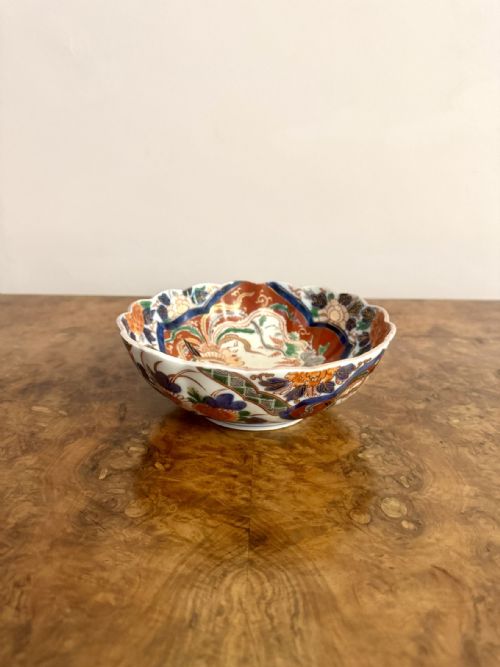


Porcelain Imari Fruit Bowl
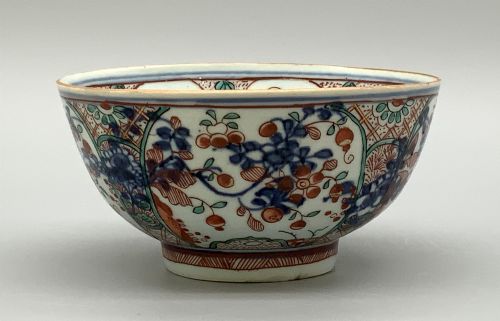
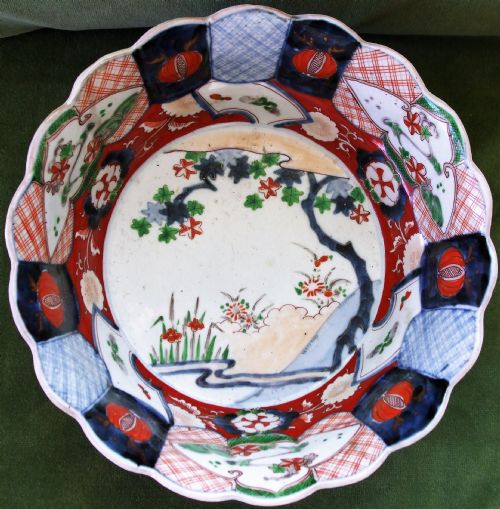
A porcelain imari fruit bowl brings rich cobalt blue and rust-red palettes to a table, combining traditional Japanese and European decorative influences.
Porcelain Imari Fruit Bowl
A porcelain imari fruit bowl is a serving or decorative vessel defined by its striking coloration and distinct aesthetic origins. When searching for a porcelain imari fruit bowl, buyers encounter pieces spanning the eighteenth, nineteenth, and early twentieth centuries, reflecting both Japanese export wares and European interpretations.
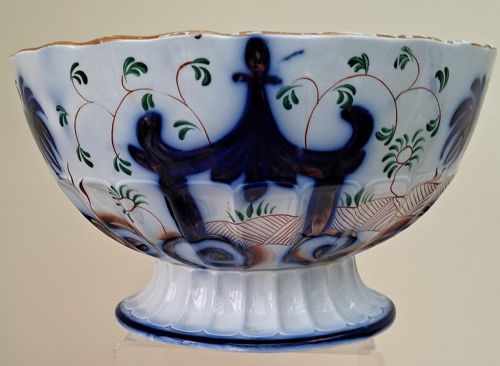
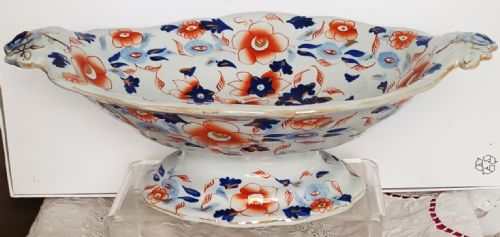
The selection here includes Japanese Meiji period examples alongside Chinese Kangxi period pieces and English iterations such as Gaudy Welsh and Mason's ironstone. Many feature scalloped edges, fluted sides, or footed bases designed for display or service.
Japanese Imari creations dominate the selection, often taking the form of large decorative bowls or centrepieces. Alongside these, English factories produced 'Japan' pattern ironstone and earthenware variations that emulate the layered palette.
How they were made
These bowls rely on hard-paste porcelain, ironstone, or ceramic bodies shaped into round, fluted, or scallop-edged forms. Potters applied underglaze blue and contrasting overglaze enamel colours, often incorporating gold leaf or gilt details to accentuate the geometric and floral panels.
Firing techniques required multiple stages to fuse the cobalt underglaze pigments with the subsequent enamel layers and gilding. English makers working in ironstone and earthenware adapted these traditional East Asian colourways to robust domestic clay bodies.
Listings feature porcelain, ironstone, and earthenware bodies decorated with enamel, gold leaf, and gilt across the nineteenth and early twentieth centuries.
What varies in quality
Quality rests in the crispness of the painted detail and the richness of the enamel and gilt application. Finer pieces demonstrate precise brushwork within the compartmentalised designs, maintaining vibrancy across both cobalt blue and iron-red elements.
The handling of the porcelain body and the symmetry of moulded or scalloped edges distinguish standard production items from exceptional decorative centerpieces. Well-preserved gilding and stable glazes elevate the visual impact of the piece.
The Porcelain Imari Fruit Bowl Glossary
- Imari
- A style of ceramic decoration originating in Japan, characterised by a palette of cobalt blue, iron red, and gilt. This aesthetic heavily influenced both Asian export wares and European imitation patterns.
- Comport
- A raised dish or bowl used for serving fruit or sweetmeats at table. These pieces often feature a pedestal foot or stand.
- Ironstone
- A type of durable earthenware patented in the nineteenth century as a tough alternative to porcelain. It readily accepted transfer-printed and hand-painted imitations of oriental designs.
- Meiji Period
- The era in Japanese history spanning from 1868 to 1912, known for prolific production of export porcelain. Pieces from this time frequently utilise bold compartmentalised motifs.
- Kangxi Period
- The reign of the Kangxi Emperor in China, lasting from 1662 to 1722. Ceramics from this era are celebrated for high-fired brilliance and refined cobalt painting.
Porcelain Imari Fruit Bowl: Frequently Asked Questions
How do I care for an antique bowl?
Wash these vessels by hand in warm soapy water using a soft cloth, avoiding harsh abrasive scourers that can damage overglaze enamels and gilding.
Keep them out of dishwashers and direct sunlight to preserve the integrity of the ceramic body and the bright painted pigments over time.
Were these bowls used for fruit?
Many examples functioned as centrepieces or comports specifically designed to present fruit on dining tables or sideboards during the eighteenth and nineteenth centuries.
Larger vessels also served purely decorative purposes, displayed in reception rooms to showcase the owner's taste for imported or inspired wares.
How do I distinguish Japanese from English imari?
Japanese export pieces typically utilise a true porcelain body with translucent qualities and hand-painted details developed through long-standing local traditions.
English interpretations often employ heavier ironstone or earthenware fabrics, sometimes utilising transfer-printing beneath the hand-applied enamel colours.
What is a pagoda pattern?
The pagoda pattern refers to architectural landscape motifs frequently incorporated into nineteenth-century British ceramics influenced by East Asian design.
Such patterns combine familiar European earthenware shapes with stylised oriental structures and familiar imari colour palettes.