




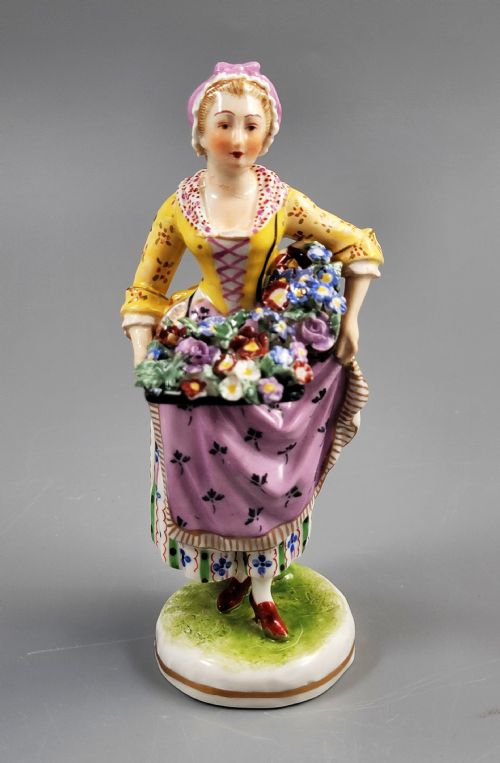


Porcelain Flower Figurine
These porcelain flower figurine pieces capture botanical detail and human figures through soft-paste porcelain and enamel glaze.
Porcelain Flower Figurine
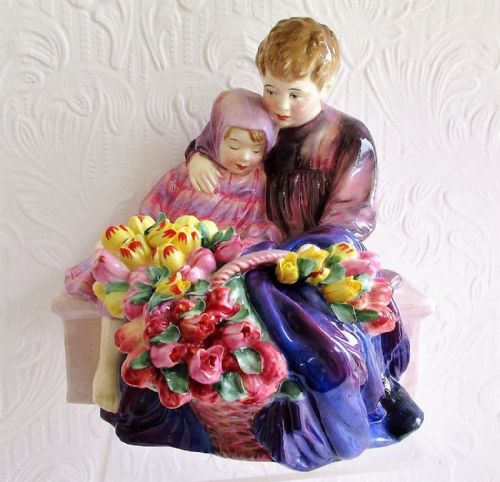
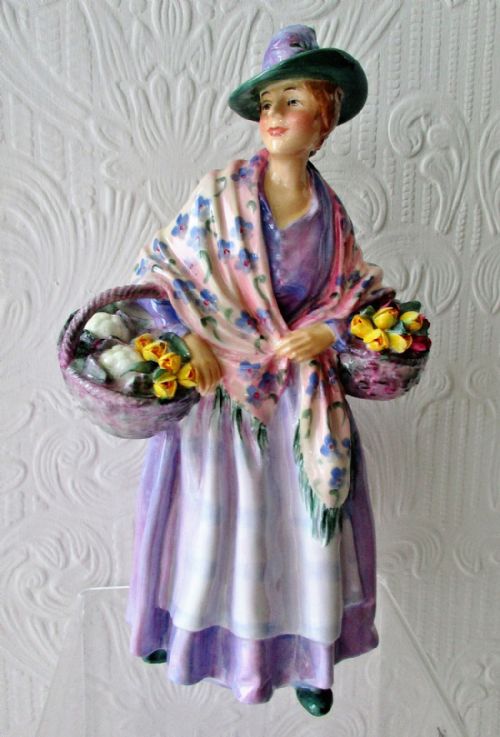
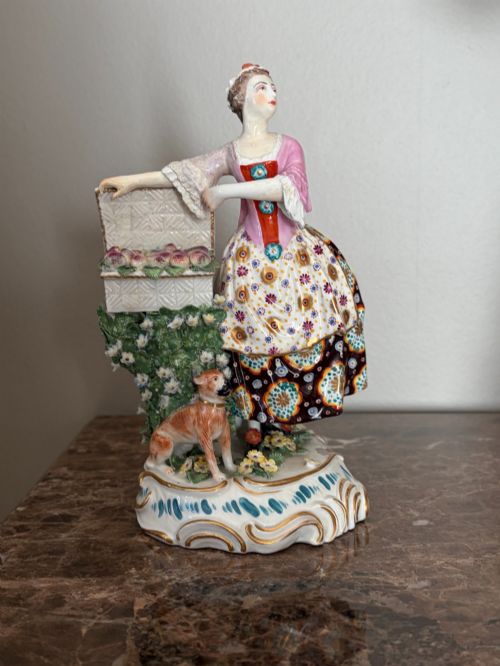
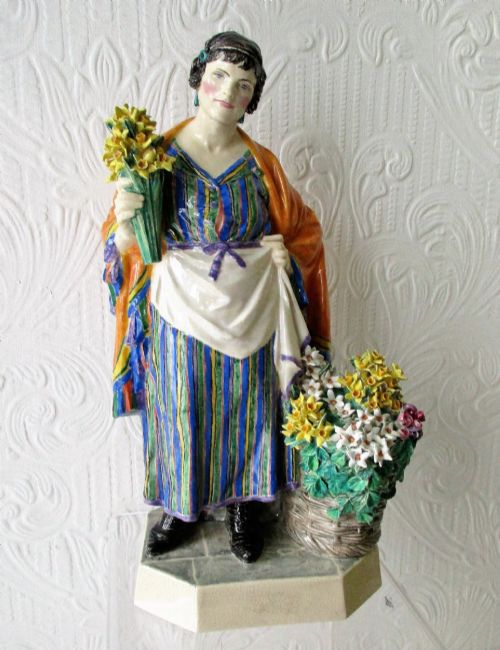
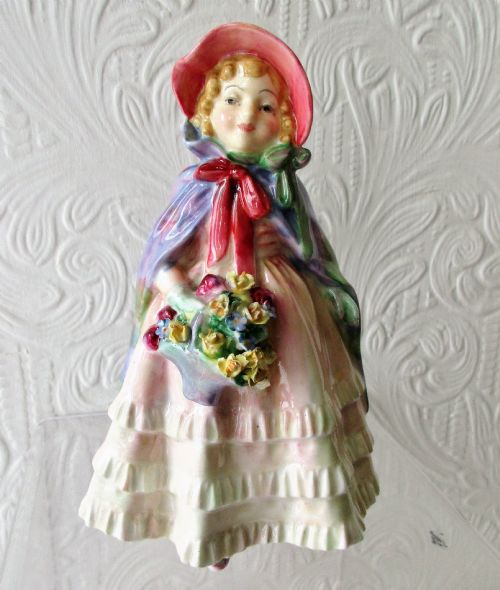
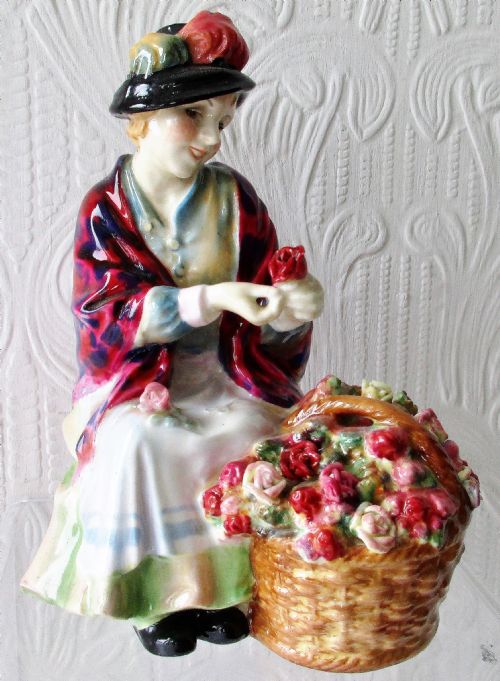
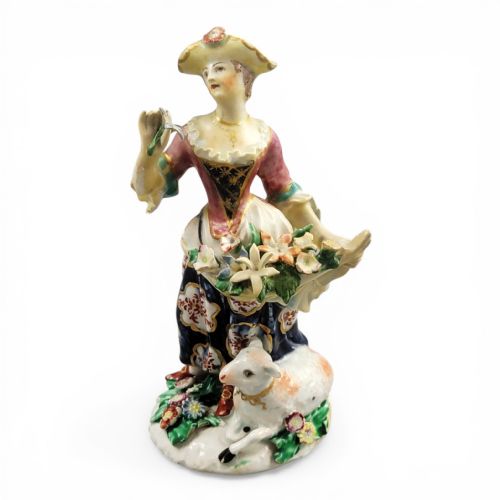
A porcelain flower figurine presents delicate ceramic blooms alongside human figures, children, or animal subjects in decorative tabletop forms. When you search for this phrase, you encounter diverse pieces ranging from eighteenth-century soft-paste figures to twentieth-century bone china models.
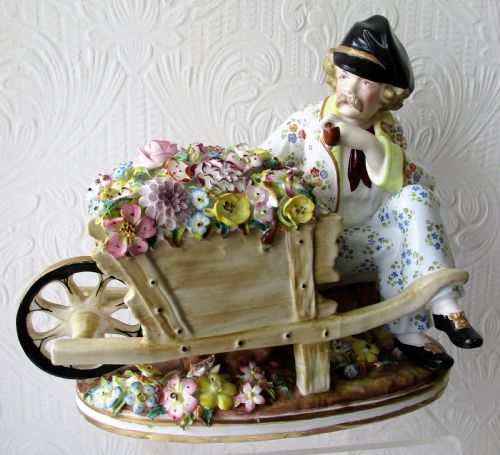
The selection includes eighteenth-century English and continental works alongside nineteenth-century Victorian figures and twentieth-century pieces. Common iterations depict market sellers, gardeners, and children holding posies or baskets.
Posy holders, vases, and figural flower carts also appear within this category, expanding the traditional figurine format into functional decor. These pieces derive from English and continental factories spanning several distinct historical periods.
Materials and methods
Makers shaped these items using porcelain, soft-paste porcelain, and bone china, applying detailed enamel glazes to render naturalistic colours. Artisans frequently enhanced details using gold leaf, gilding, and metal mounts.
Modelled components such as individual petals and leaves required meticulous hand-assembly before firing in kilns. Enamel glaze and hand-painted pigments brought vibrancy to the finished ceramic surfaces.
Porcelain Flower Figurine Retail Price Guide 2026
Typical asking prices for porcelain flower figurine among the pieces listed under this phrase on Sellingantiques today, from the lower quarter to the upper quarter. They describe what is for sale here now, not the wider market.
Listings feature periods from the 1750s through the 1940s, encompassing Rococo, Victorian, and Art Deco styles.
Assessing craftsmanship and finish
The application of enamel glaze and gilding also dictates the standard of a piece, with finer works showing careful hand-painting and well-preserved metallic highlights.
Royal Doulton·Derby·Chelsea·Charles Vyse·John Bevington·Meissen·Bow·Krister KPM Waldenburg·Minton·Kister Scheibe Alsbach·Dressel Kister and Cie·Royal Dux
The Porcelain Flower Figurine Glossary
- Soft-paste porcelain
- A glassy ceramic material fired at lower temperatures than true hard-paste porcelain. It was widely utilised by early English factories.
- Bouquetiere
- A decorative vessel or figure designed specifically to hold or display bunches of flowers. These items often feature pierced elements for stem support.
- Enamel glaze
- A vitreous composition fused to the ceramic surface during firing to provide colour and protection. It creates a glossy finish on the figurines.
- Gilding
- The application of gold leaf or gold powder to ceramic surfaces for decorative enhancement. This technique highlights specific details on robes and bases.
Porcelain Flower Figurine: Frequently Asked Questions
What is a porcelain flower figurine?
A porcelain flower figurine is a decorative ceramic sculpture depicting people or animals intertwined with floral elements, posy baskets, or garden carts.
These pieces range from eighteenth-century antique figures to twentieth-century collectibles produced by notable European and English factories.
How were these figures used?
Historical households utilised these sculptural items primarily as decorative mantelpiece ornaments or table centrepieces during formal dining.
Certain variants functioned practically as posy holders, small vases, chambersticks, or quill holders while maintaining their decorative figural appearance.
How do I identify different periods?
Identifying the period involves examining the paste composition, glaze characteristics, factory marks, and sculptural style of the piece.
Eighteenth-century examples often exhibit soft-paste porcelain and Rococo styling, whereas nineteenth-century and twentieth-century pieces introduce varied glazes and distinct maker stamps.
How do I care for my figurine?
Care for these delicate items requires gentle dusting with a soft, dry brush to prevent damage to fragile porcelain petals and leaves.
Avoid using water or chemical cleaners on antique enamel glaze and gold leaf surfaces to preserve the original finish.