



Porcelain Children Figure
Porcelain children figure sculptures capture youthful innocence in delicate ceramic, bringing historic charm and character to any mantelpiece.
Porcelain Children Figure
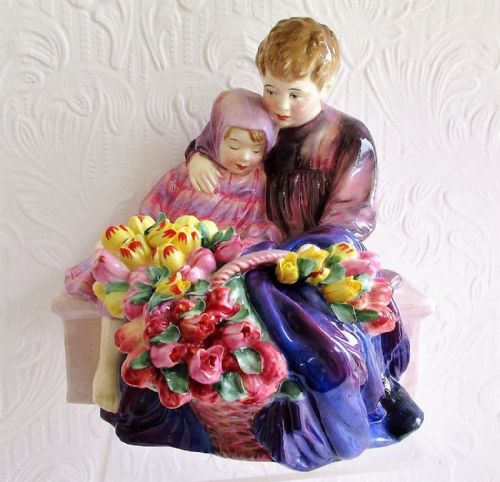
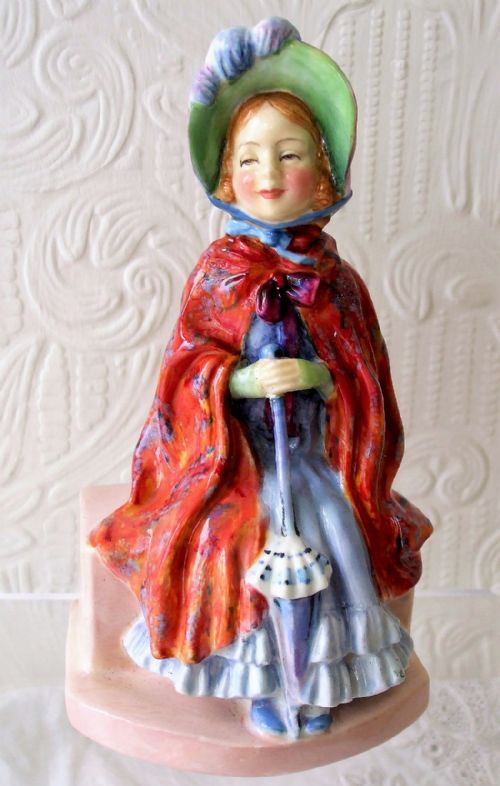
A porcelain children figure search reveals a diverse array of figurines, sculptures, and candlesticks spanning from the eighteenth century through to the mid twentieth century. Buyers encounter eighteenth century Derby and Meissen works alongside Victorian parian statuary and twentieth century Art Deco pieces.
The selections range from single figures like Royal Doulton and Royal Worcester characters to large pairs depicting children with pets, flowers, or literary themes. Continental potteries from Germany and France contribute heavily to the available forms, alongside prominent English factories.
Materials and Construction Techniques
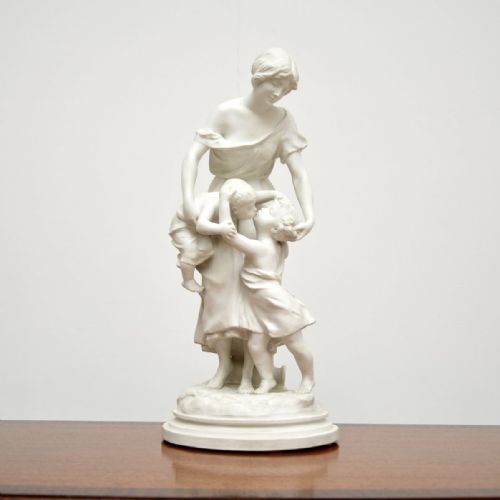
These pieces utilise traditional ceramic media including standard glazed porcelain, unglazed bisque porcelain, biscuit porcelain, and parian porcelain. Makers shape these materials into detailed sculptural groups, often incorporating enamel paint and gold leaf highlights.
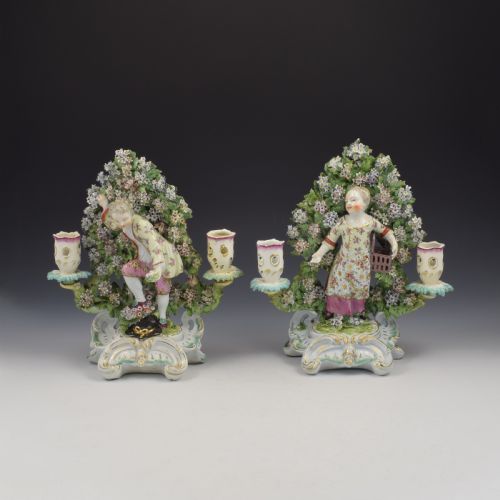
Factories employ complex moulding and casting processes to achieve fine anatomical detail and flowing drapery in the figures. Hand-painted decoration and delicate additions such as porcelain bocage foliage require precise firing techniques in kilns.
Porcelain Children Figure Retail Price Guide 2026
Typical asking prices for porcelain children figure among the pieces listed under this phrase on Sellingantiques today, from the lower quarter to the upper quarter. They describe what is for sale here now, not the wider market.
Ranging from monkeys to lambs, these children share their porcelain spotlight with an enthusiastic menagerie of pets.
Craftsmanship and Sculptural Execution
Quality depends on the crispness of the moulding and the sensitivity of the hand-painted details on faces, hair, and clothing. Superior works display naturalistic modelling with subtle shading, whereas simpler pieces show heavier, more uniform application of colour.
The complexity of the composition also dictates distinction, as large pairs with multiple figures, intricate bocage backgrounds, or named sculptors represent higher levels of nineteenth and twentieth century studio production.
Royal Doulton·Meissen·Royal Dux·Royal Copenhagen·Royal Worcester·Helena Wolfsohn·Ernst Bohne and Soehne
The Porcelain Children Figure Glossary
- Bisque porcelain
- Unglazed white porcelain that has been fired once, valued for its matte surface resembling marble. It became particularly popular for nineteenth century sculptural figures.
- Parian porcelain
- A fine-grained, unglazed biscuit porcelain developed in the nineteenth century to imitate carved marble. Factories like Copeland utilised it extensively for classical and literary statuary.
- Bocage
- An applied background of leaves, branches, and flowers made from porcelain. It frequently frames eighteenth and nineteenth century English and European candlestick figures.
- Figurine
- A small, three-dimensional sculpted statuette representing a human or animal figure. These objects serve decorative purposes on tables, mantels, and shelves.
Porcelain Children Figure: Frequently Asked Questions
How do I date a porcelain figure?
Dating relies on factory marks, registration numbers, and stylistic cues stamped or painted on the base. Comparing the clothing styles and materials to known production eras provides a reliable timeline.
Changes in glaze texture and the inclusion of specific artist signatures also help narrow down the decade of manufacture.
What is the difference between bisque and parian?
Bisque refers generally to any unglazed ceramic body after its initial firing stage. Parian is a specific, highly vitrified biscuit porcelain formulated to mimic the appearance of carved marble.
Victorian makers favoured parian for statuary because its dense, slightly glossy matte surface held fine anatomical details exceptionally well.
Where should I display these figures?
These delicate sculptures suit secure mantelpieces, enclosed cabinets, or high shelves away from heavy household traffic. Stable, flat surfaces prevent accidental tipping of fragile limbs and applied floral elements.
Positioning them out of direct sunlight preserves the hand-painted enamel colours and gold leaf over decades of display.
How should I clean my porcelain figure?
Dusting requires a soft, dry artist brush or a feather duster to remove surface particles gently. Avoid using water or liquid cleaners, especially on unglazed bisque or painted surfaces, as moisture can damage old pigments.
For stubborn dust in crevices, a dry cotton bud used with extreme care prevents abrasion to delicate fingers or porcelain lace.