




Porcelain Export Serving Dish
These porcelain export serving dish examples bring global trade history to the table, offering practical display surfaces and serving forms shaped by centuries of cross-cultural exchange.
Porcelain Export Serving Dish
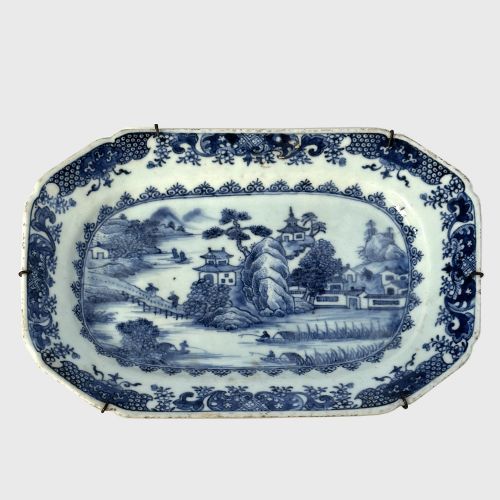
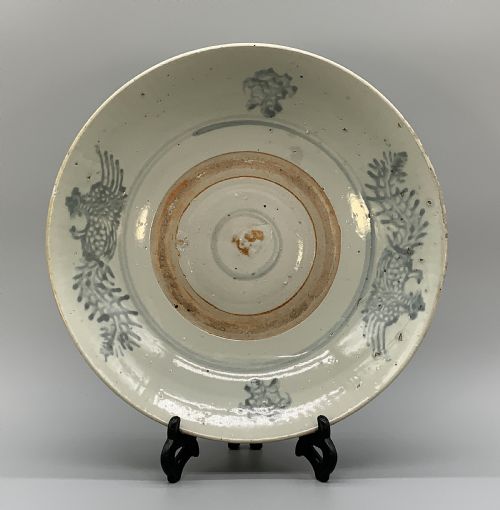
A porcelain export serving dish represents the centuries of trade between Asian kilns and Western dining rooms, taking forms like platters, tureens, chargers, and shaped trays. Buyers seeking these items encounter diverse historical aesthetics, from early Ming Dynasty Swatow wares to robust Georgian blue and white platters.
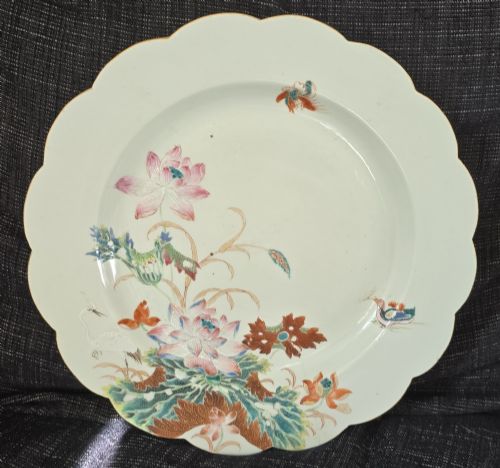
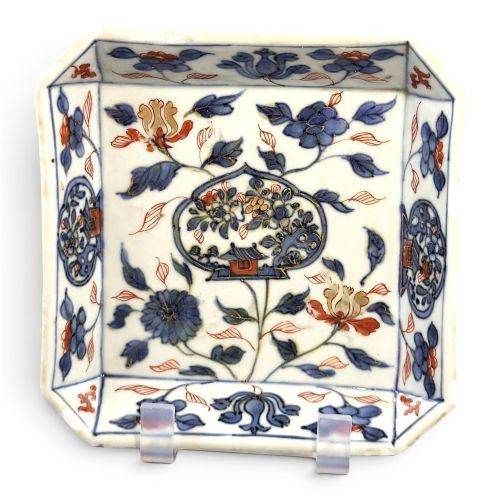
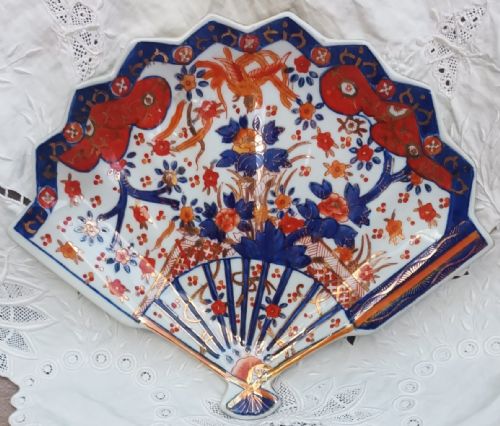
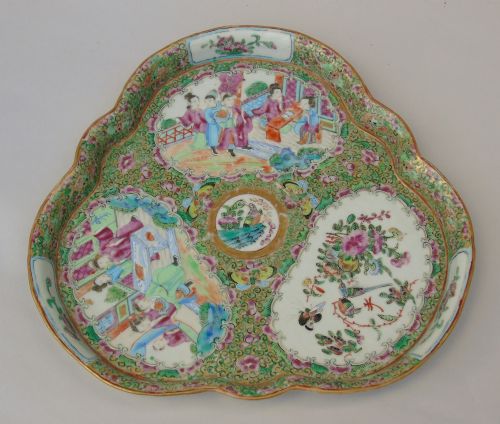
The pieces appearing most frequently on this page span Chinese and Japanese traditions, including Canton famille rose, Nanking blue and white, and Imari palettes. These items served functional roles on historical dining tables before transitioning into decorative cabinet and wall displays.
What varies in quality
The distinction between standard utility wares and exceptional pieces rests in the crispness of the hand-painted brushwork and the complexity of the palette. Superior examples display controlled cobalt pigment application and finely detailed enamel work without blurring.
Structural ambition also separates the tiers, seen in complex moulded forms such as shamrock shapes, shell bowls, or large tureens with matching covers. The purity of the hard-paste porcelain body and the evenness of the glaze further distinguish superior studio outputs.
Current listings feature items spanning the 17th, 18th, and 19th centuries, utilising materials such as cobalt pigment, gold leaf, and hard-paste porcelain.
The Porcelain Export Serving Dish Glossary
- Hard-paste porcelain
- A dense, vitrified ceramic material fired at high temperatures using kaolin and petuntse. This composition creates a durable body that rings when struck.
- Cobalt glaze
- A blue colouring agent applied under the glaze before high-temperature firing. It produces the characteristic deep blue tones seen on Nanking and Kangxi platters.
- Famille rose
- A palette of opaque enamels dominated by pink or rose colours, introduced during the Qing Dynasty. This technique allowed for nuanced shading on floral and figurative designs.
- Imari
- A style of Japanese export porcelain featuring underglaze blue, iron red, and gold accents. The aesthetic was widely copied in Chinese export kilns for Western markets.
Porcelain Export Serving Dish: Frequently Asked Questions
How are porcelain export dishes dated?
Dating relies on stylistic markers, decorative palettes, and potting characteristics specific to periods like the Kangxi or Qianlong reigns. Form and pigment analysis help place pieces within centuries of production.
Changes in trade routes and kiln technology also assist in establishing a reliable chronological window for each specific vessel.
Can these export dishes still serve food?
While structurally sound hard-paste porcelain can hold items, historical pieces are generally treated as display objects or handled with care during occasional use. Old glazes and manufacturing standards differ from modern tableware.
Hand washing in lukewarm water without harsh detergents helps preserve the delicate overglaze enamels and gold leaf details found on many antique examples.
What is the difference between Chinese and Japanese export styles?
Chinese export pieces often utilise blue and white underglaze or famille rose enamels tailored to Western service requirements. Japanese Imari wares are distinguished by their bold iron red, cobalt blue, and gilt palette.
Both traditions produced items specifically for foreign markets, resulting in hybrid forms that combined Eastern techniques with European dining shapes.
Why are some dishes shaped unusually?
Makers created fan shapes, shamrock trays, and chamfered squares to satisfy specific European dining fashions and exotic preferences. Novelty silhouettes appealed to wealthy buyers seeking distinct table garnishes.
These varied forms reflect the adaptability of export kilns in meeting specialised overseas requests throughout the Georgian era and beyond.