



Cobalt Blue Export China
Cobalt blue export china brings vibrant underglaze colour and intricate painted detail to your table from centuries of international trade.
Cobalt Blue Export China
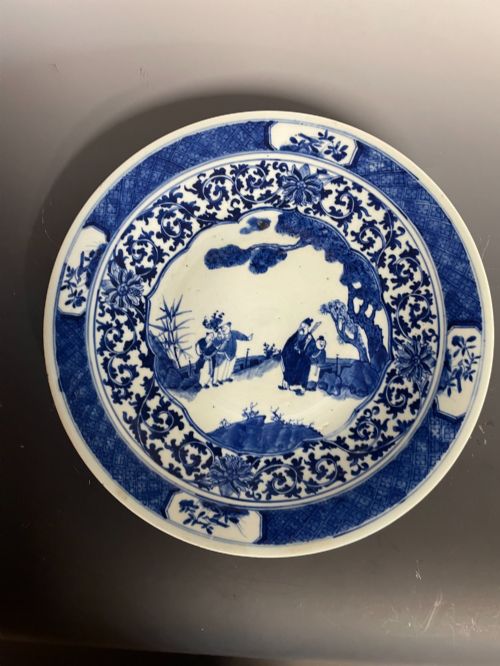
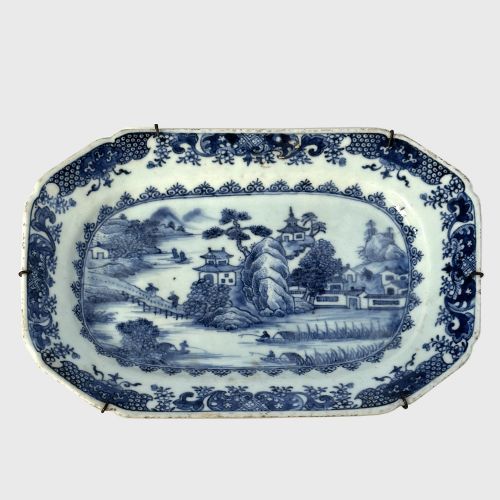
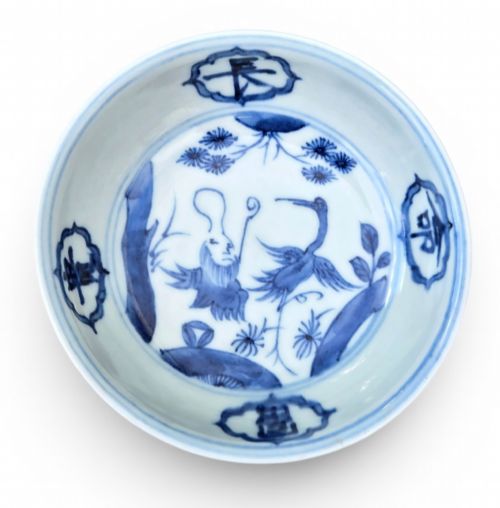
When you search for cobalt blue export china, you are looking at hard-paste porcelain plates, platters, bowls, and tureens created for overseas markets. These objects bridge distinct cultural aesthetics, combining traditional Eastern forms with motifs designed for Western or international buyers.
The pieces you are most likely to meet on this page span the seventeenth, eighteenth, and nineteenth centuries, alongside items from around nineteen hundred. They include Chinese Nanking wares and Qianlong period pieces, as well as Japanese Imari plates and vases.
Forms range from deep saucer-dishes and serving platters to large covered soup tureens and ribbon plates. Each object carries the characteristic deep blue pigment fired beneath a translucent glaze.
Materials and technique
These items rely on hard-paste porcelain fired at high temperatures to create a vitrified, durable ceramic body. Cobalt glaze or cobalt underglaze is painted directly onto the clay before the application of a clear protective glaze and final firing.
Some pieces incorporate additional decorative layers such as enamel and gold leaf over the fired glaze. This combination produces the rich polychrome effects seen on Imari wares alongside the dominant blue pigment.
Several plates capture the maritime trade by depicting Black Ships, the foreign vessels that arrived at Japanese ports.
The spectrum of quality
Quality in these ceramics rests on the crispness of the cobalt painting and the balance of the composition across the porcelain surface. Finer examples display steady brushwork with deep, uniform tones of blue beneath the glaze, while lesser pieces show blurred lines or uneven pigment pooling.
The refinement of the porcelain body itself also distinguishes the range, from thick utilitarian vessels to thinly potted dishes with precise form and smooth, clear glazing.
The Cobalt Blue Export China Glossary
- Hard-paste porcelain
- A dense, vitrified ceramic made from petuntse and kaolin fired at very high temperatures. It rings when struck and does not absorb liquids.
- Cobalt underglaze
- Pigment applied to the unfired ceramic body before glazing and firing. This technique protects the blue decoration beneath a glossy surface.
- Imari
- A style of Japanese porcelain featuring cobalt blue and iron red, often augmented with gold leaf. Production centred on the port of Imari for export.
- Qianlong Period
- An era of extensive porcelain production under the Qing dynasty spanning the eighteenth century. Pieces from this time often show exceptional technical skill.
Cobalt Blue Export China: Frequently Asked Questions
How do I date cobalt blue export china?
Dating relies on stylistic clues, potting characteristics, and the cobalt tone used in the decoration. Different dynasties and centuries favoured specific brushwork styles and vessel forms.
Examination of the foot ring and glaze texture further helps distinguish eighteenth-century pieces from later nineteenth-century or nineteen-hundred productions.
Can I use antique export china for dining?
While these pieces were originally functional tableware, many collectors prefer to display them to preserve the glaze and painted surface. Hand washing in warm water protects the older ceramic body from thermal shock.
Using sturdy platters and plates for light serving is possible, but delicate enamel and gold leaf elements require careful handling.
What is the difference between Chinese and Japanese export pieces?
Chinese export wares often feature cobalt blue and white Nanking or Qianlong designs made for Western markets. Japanese export items frequently include Imari styles with distinctive iron red and gold additions.
Both traditions utilised hard-paste porcelain but developed distinct palettes and decorative motifs.
How should I display large tureens and platters?
Large platters and covered tureens need sturdy support on deep shelves or dedicated plate stands. Their weight requires stable placement away from table edges.
Grouping matching plates alongside a central bowl creates a balanced visual display that highlights the cobalt blue decoration.