
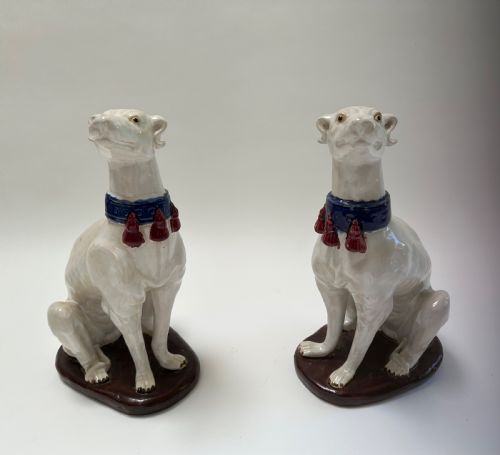


Porcelain Animal Sculpture
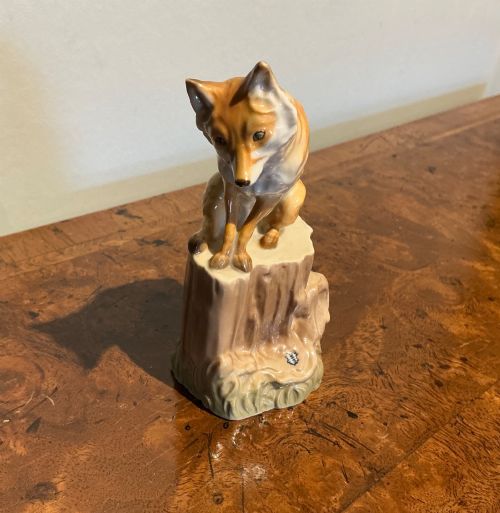
Porcelain animal sculpture brings together figures of dogs, birds and beasts modelled in clay and fired in kilns across centuries.
Porcelain Animal Sculpture
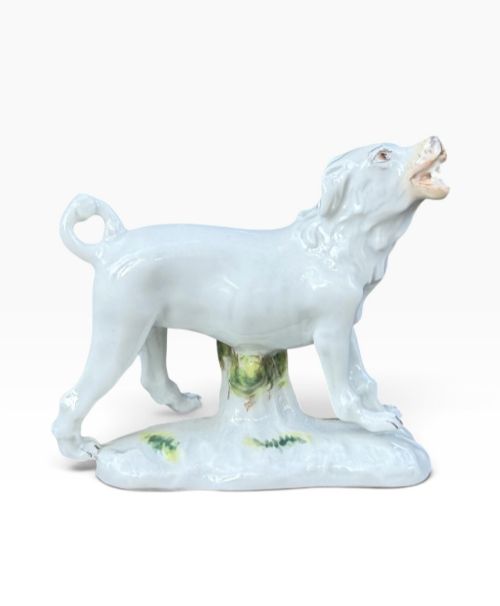
When you search for porcelain animal sculpture, you meet figures of dogs, birds, monkeys and horses produced across European and Asian kilns from the eighteenth century into the twentieth century. These objects take the form of individual figurines, pairs of animals, and complex groupings such as stags with bocage or elephants with figures.
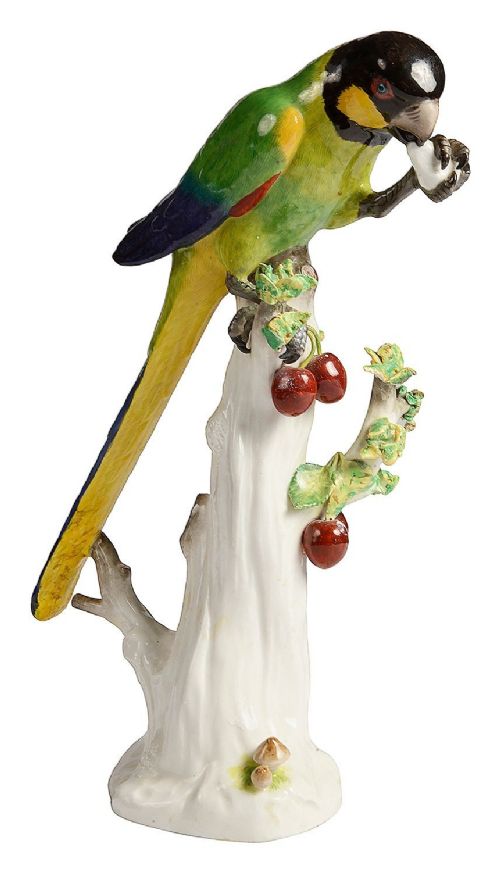
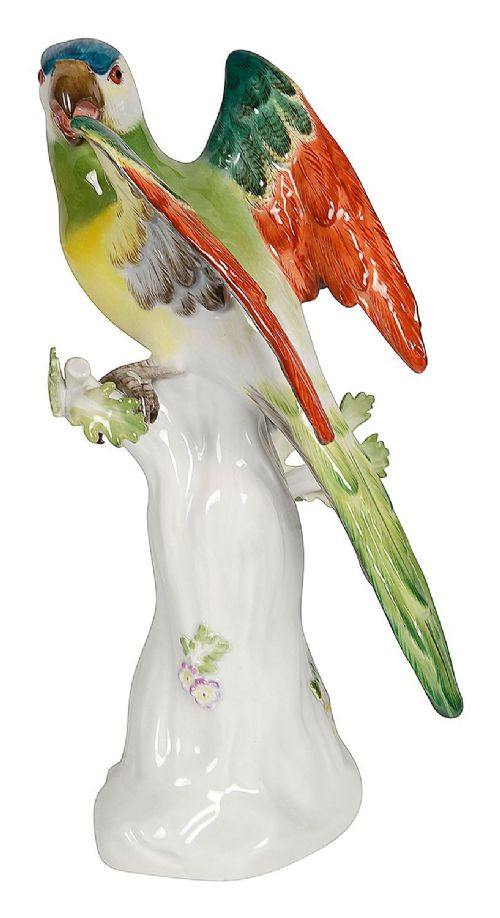
The versions most common on this page range from Georgian Derby models and Meissen parrots to Chinese turquoise-glazed figures from the Qing Dynasty and twentieth-century Art Deco pieces. Makers such as Royal Dux, Minton and Rosenthal also appear in forms including setters, greyhounds and pheasants.
Originating in both European porcelain factories and Asian kilns, these sculptures reflect changing tastes from Rococo and Victorian detail to Art Deco lines. Buyers select them for cabinet display, mantelpiece decoration and table centrepieces.
Quality and execution
The finest examples display precision in the anatomical modelling of the animal and crisp definition in moulded details such as feathers, fur and facial expressions. Superior pieces maintain balance and proportion, particularly in complex multi-figure groups or large-scale pairs.
Quality rests equally on the depth and control of the glaze or enamel work, where even coverage and subtle shading distinguish master factory output from simpler commercial production.
Listings feature hard-paste porcelain, earthenware, and Parian ware across Georgian, Victorian, and Art Deco periods.
Nymphenburg·Meissen·Derby porcelain·Minton·Rosenthal·Le Manceau·Royal Dux·Carl Thieme Dresden
The Porcelain Animal Sculpture Glossary
- Bocage
- Foliage and floral background applied behind figures, often seen in eighteenth-century porcelain. This technique creates a leafy arbour effect around the animal subject.
- Hard-paste porcelain
- A vitrified ceramic composed of kaolin and petuntse fired at high temperatures. It yields a durable, translucent body common in European and Asian figures.
- Blanc de chine
- A white porcelain produced in China, valued for its smooth ivory glaze and subtle translucency. It highlights pure sculptural form without added enamel colours.
- Sancai
- A three-colour lead glaze tradition used on Chinese pottery and porcelain. It typically combines green, amber and cream tones that run together naturally during firing.
- Parian ware
- A type of fine biscuit porcelain developed in England during the nineteenth century. It resembles carved marble and was widely used for unglazed animal figures and centrepieces.
Porcelain Animal Sculpture: Frequently Asked Questions
Where were most antique animal sculptures made?
Production centres span European factories in Germany, England and Italy alongside historic kilns in China and Japan. Each region utilised distinct clay bodies and glazing traditions.
European factories often marked their work with factory stamps, while Asian pieces rely on period styles and glaze characteristics for identification.
What is the difference between earthenware and porcelain?
Porcelain is fired at much higher temperatures until the clay vitrifies into a hard, non-porous and often translucent material. Earthenware remains more porous and requires a complete glaze layer to hold liquids.
Figures described as ceramic or pottery often use earthenware bodies, whereas hard-paste pieces offer a crisper surface finish.
How do I display porcelain animals at home?
Place figures away from direct sunlight and high-traffic edges where accidental knocks might occur. Enclosed cabinets provide the best protection against dust and sudden temperature shifts.
Pairing matching animals or grouping similar glazes creates a balanced display without overcrowding the pieces.