
Polychrome Wooden Sculpture
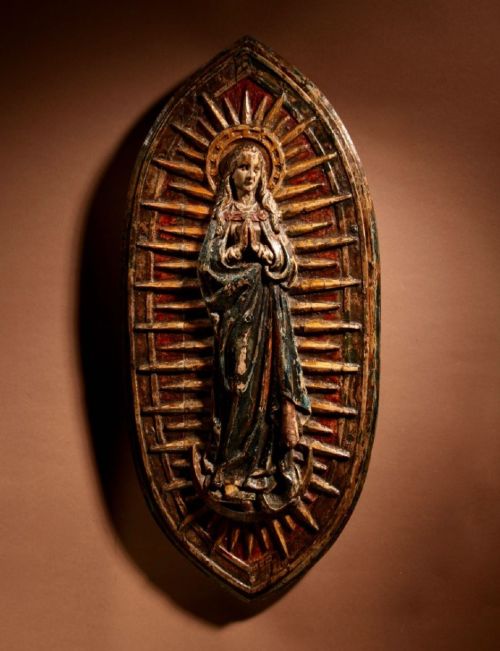
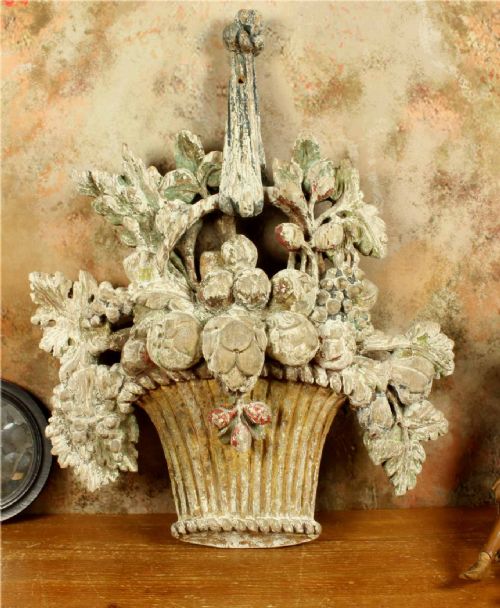
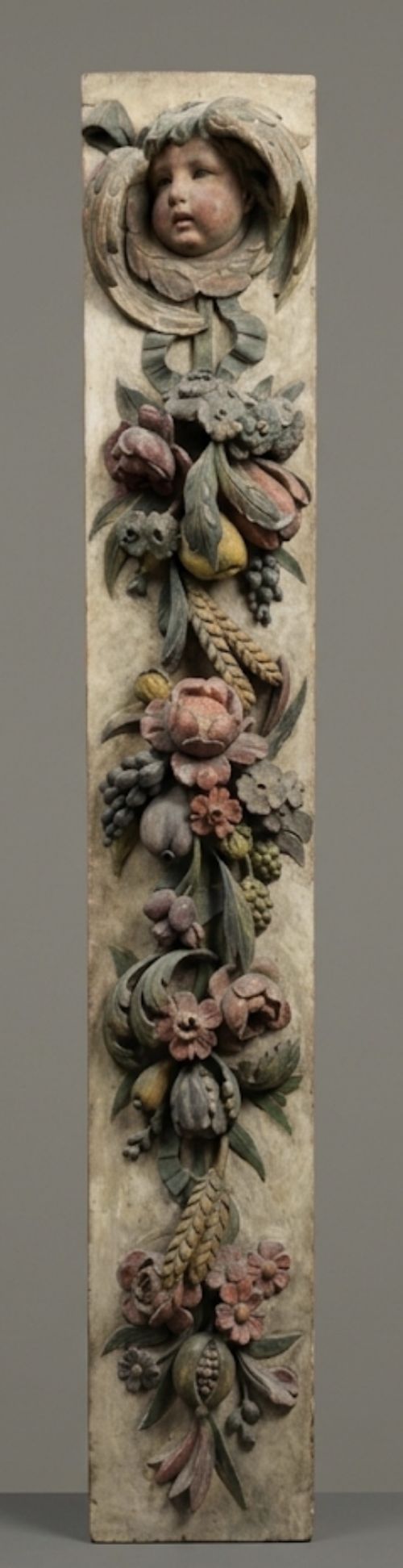
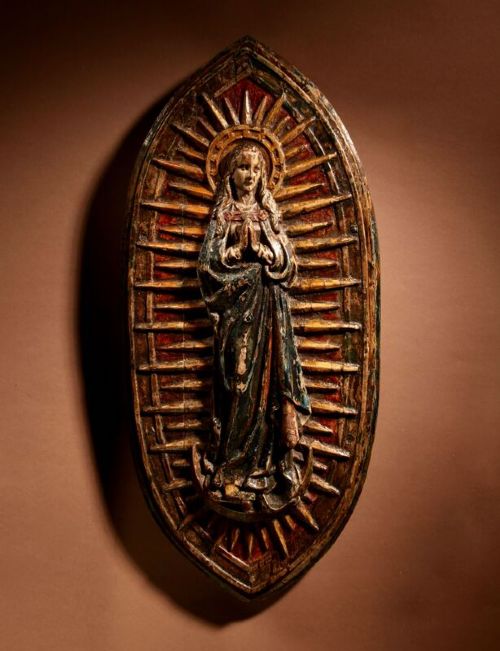
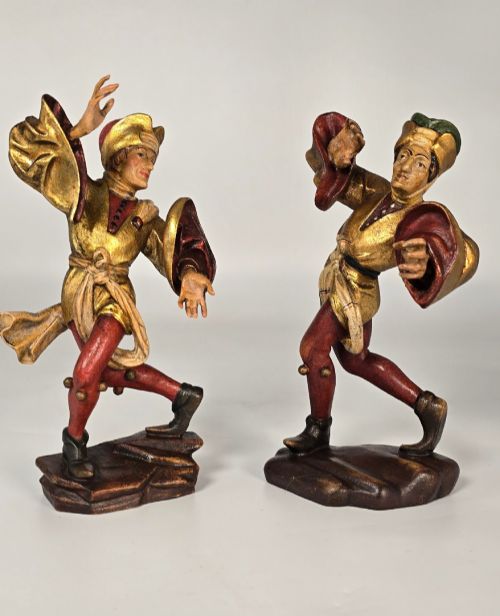
These pieces of polychrome wooden sculpture bring centuries of pigment and carved timber into a room, offering devotional figures and folk carvings.
Polychrome Wooden Sculpture
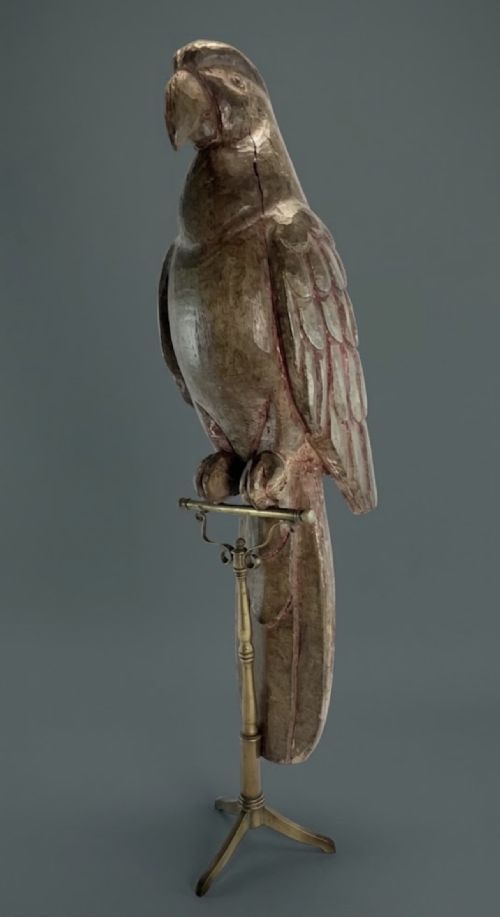
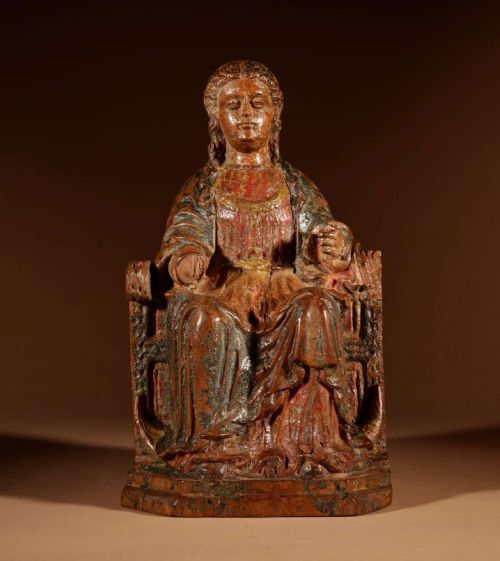
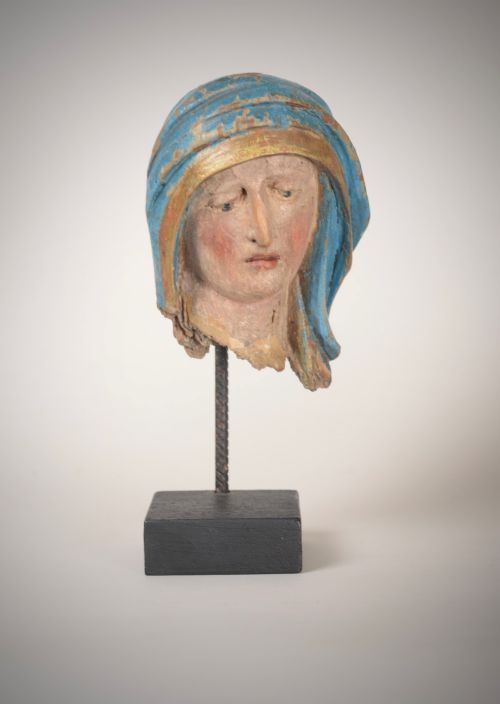
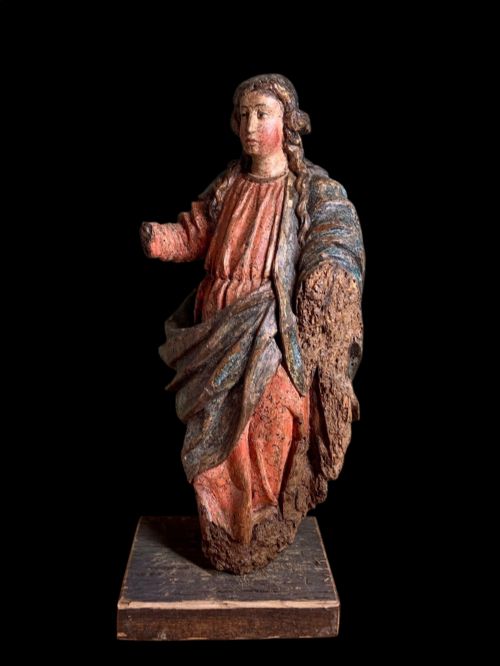
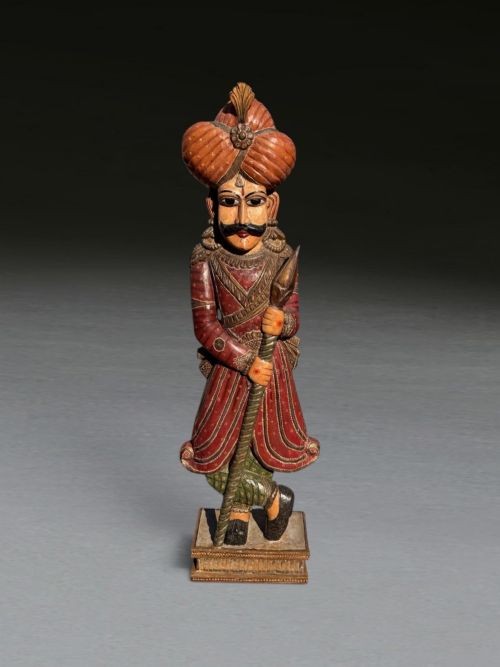
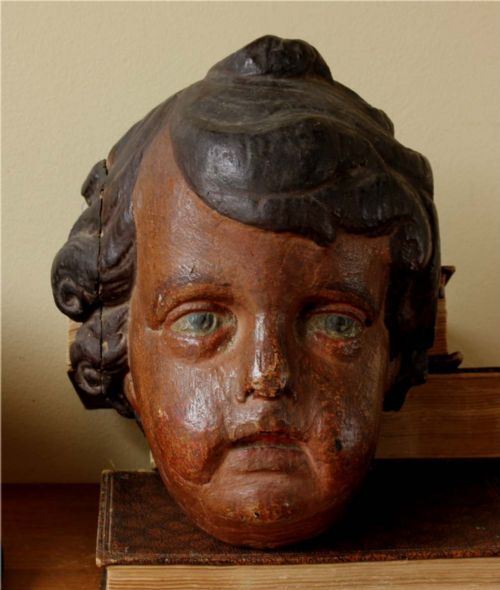
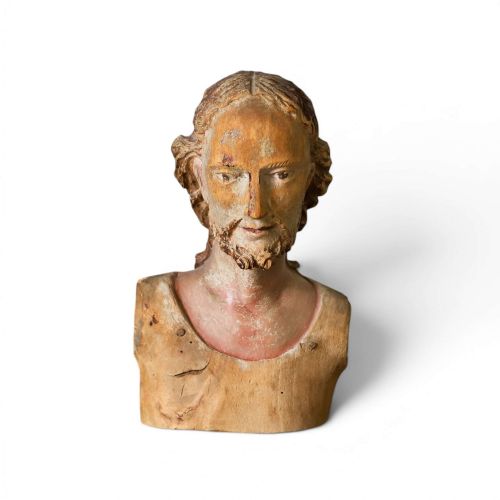
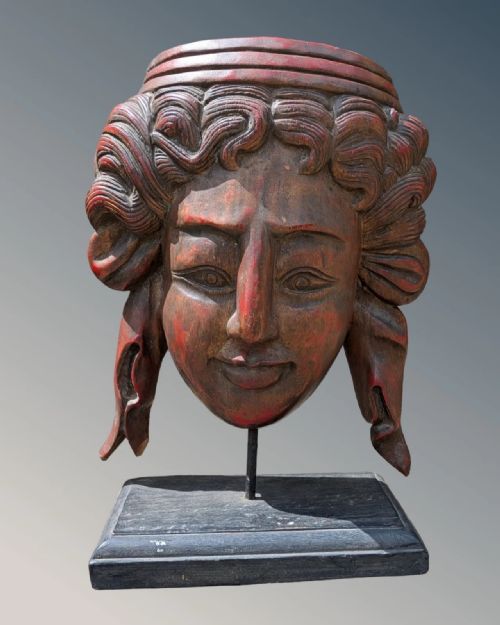
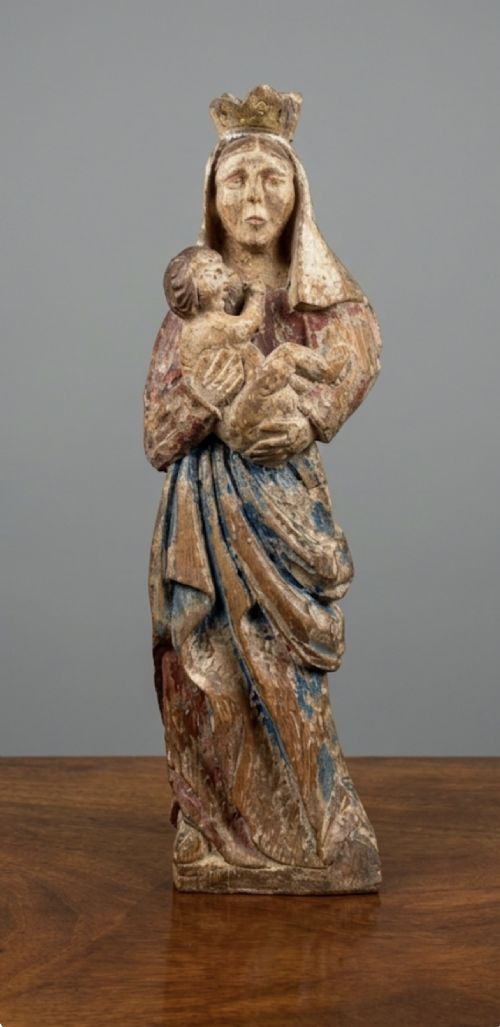
European examples frequently date from the sixteenth to the nineteenth centuries, often depicting saints, Madonnas, and putti in various states of preserved paint and gilding. Asian and folk pieces contribute figures of deities, animals, and cultural icons rendered in distinct regional styles.
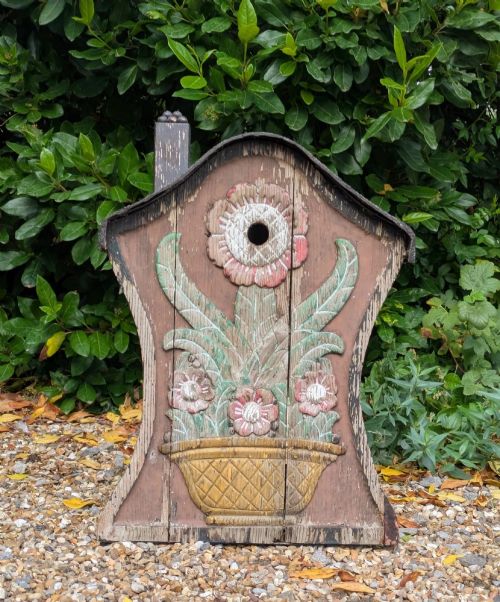
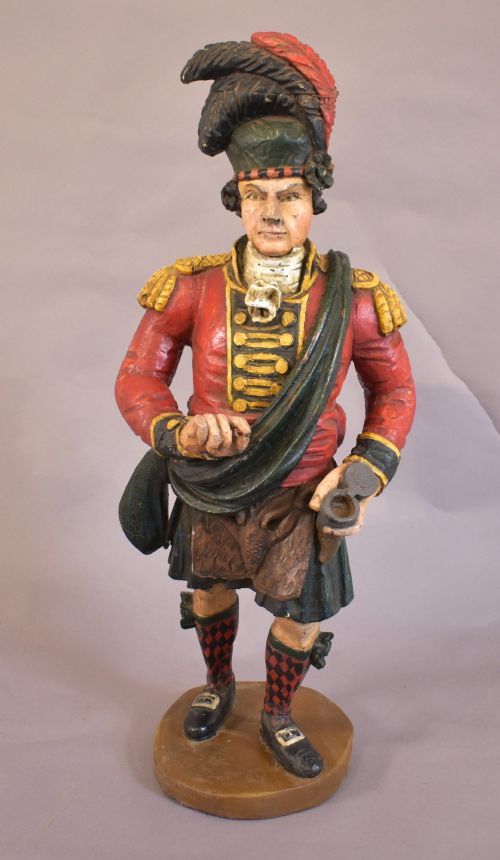
Forms vary widely from architectural fragments and altarpiece panels to freestanding statues, trade figures, and decorative wall reliefs. Oak, walnut, and limewood serve as common substrates for these painted and gilt surfaces.
How they were made
Artisans carved these objects from solid blocks of timber such as oak, walnut, limewood, and olive wood, utilising gouges and chisels to shape the figures. Once the carving was complete, workers applied a layer of gesso to prepare the wooden surface for decoration.
Pigments mixed with binders provided the polychrome paint scheme, while thin sheets of gold leaf were applied over sizing to create luminous gilt highlights. Lacquer and hand-painted details frequently appeared in Asian works from later periods, completing the decorative skin over the carved core.
Polychrome Wooden Sculpture Retail Price Guide 2026
Typical asking prices for polychrome wooden sculpture among the pieces listed under this phrase on Sellingantiques today, from the lower quarter to the upper quarter. They describe what is for sale here now, not the wider market.
Listings feature woods including oak, walnut, limewood, and olive wood, finished with gesso and polychrome paint.
What varies in quality
The sophistication of the initial carving distinguishes masterworks from simpler provincial pieces, visible in the anatomical understanding of hands, drapery, and facial expression. Finer works retain their original sculptural energy without clumsy later alterations to the wood.
The integrity and survival of the early painted and gilt surfaces dictate much of the visual appeal. Examples that preserve their untouched historic polychromy carry greater artistic weight than those obscured by heavy modern repainting.
H S Andy Anderson
The Polychrome Wooden Sculpture Glossary
- Polychrome
- Decorated in multiple colours. This term describes sculpture or panels finished with various painted pigments.
- Gesso
- A plaster mixture used as a base. Artisans applied this substance to wood before adding paint or gold leaf.
- Giltwood
- Wood covered with gold leaf. This finish added reflective brilliance to devotional and decorative carvings.
- Altarpiece
- A structured artwork set above an altar. Central panels and figures from these large religious fixtures frequently survive as independent sculptures.
- Putto
- A representation of a naked cherubic child. These figures appear frequently in Baroque and Renaissance religious carvings.
Polychrome Wooden Sculpture: Frequently Asked Questions
How were polychrome wooden sculptures used?
These sculptures served primarily as devotional objects in churches, private chapels, and domestic shrines across Europe and Asia. Many pieces functioned as central focal points in altarpieces or as processional figures during religious festivals.
Other items fulfilled secular purposes, ranging from trade signs outside shops to decorative figures and folk art objects in domestic interiors.
How do I distinguish European from Asian pieces?
European works often draw from Christian iconography, featuring saints, Madonnas, and motifs tied to Gothic, Renaissance, or Baroque styles. The wood choices commonly lean towards oak, walnut, and limewood.
Asian carvings typically depict deities, scholars, or regional animals executed under stylistic influences such as the Qing Dynasty. Lacquer finishes and specific pigment palettes also point toward Asian workshops.
What does original polychromy mean?
Original polychromy refers to the historic paint and gilding applied to the sculpture when it was first created. Surviving early pigment layers provide crucial evidence about the object's age and artistic context.
Many pieces underwent later repainting during subsequent centuries of use and repair. Tracing the original layers requires close examination under magnification or specialised lighting.