


Antique Altar Sculpture
An antique altar sculpture carries centuries of devotion in bronze, stone, and wood, offering a powerful focal point for any serious interior.
Antique Altar Sculpture
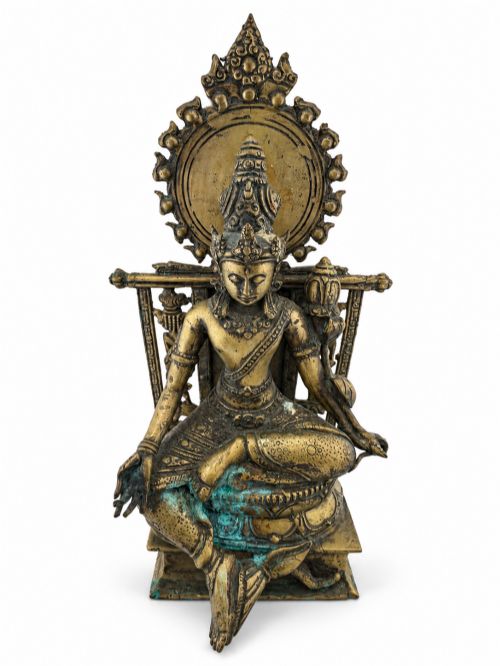
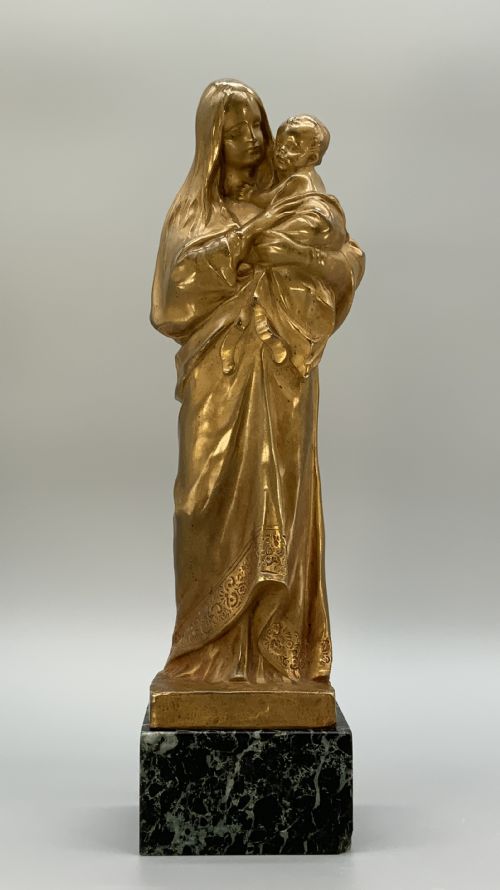
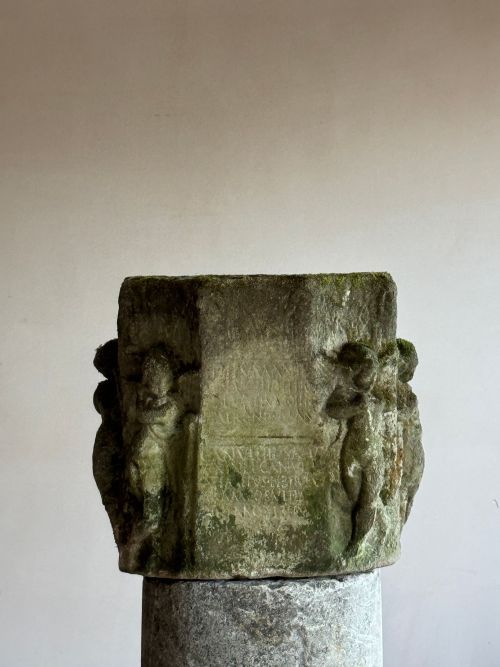
When you search for antique altar sculpture, you encounter sacred figures and architectural fragments drawn from domestic shrines, churches, and temples across Europe and Asia. These objects span periods from pre-sixteenth century medieval carvings to nineteenth-century devotional figures.
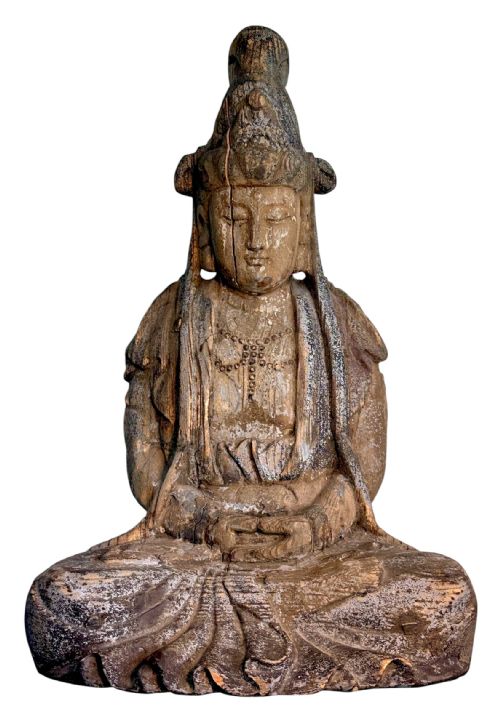
The most common examples on this page are bronze and wooden Buddhas, European crucifixes, and carved wooden angels, reflecting both Eastern and Western religious traditions. Formats range from small standing shrine deities to substantial architectural statues.
Makers include European sculptors like Hans Müller alongside anonymous craftsmen from Southeast Asia, Tibet, and Italy. Materials encompass carved wood, bronze, gilt bronze, stone, and gold leaf.
How they were made
The creation of these sacred figures relies heavily on traditional casting and carving techniques. Bronzes are typically produced using the lost-wax method, resulting in solid or hollow figures that often receive subsequent surface finishing.
Wooden sculptures are carved from durable timbers such as oak, boxwood, lime wood, and olive wood, frequently finished with polychrome paint, parcel gilt, or gold leaf applications. Stone and cast stone elements display detailed chisel work specific to Gothic and revival traditions.
Listings feature materials including bronze, gold leaf, carved wood, glass inlay, and copper alloy across multiple centuries.
What varies in quality
Quality in these sculptures rests upon the crispness of the hand-carving or the precision of the bronze cast. Superior examples retain their original polychrome paint, gilding, and surface patination without heavy modern restoration.
The depth of expression and anatomical proportion distinguish workshop pieces from master works. Authenticity of the surface finish and the integrity of the material determine the overall standing of each piece.
Hans Müller
The Antique Altar Sculpture Glossary
- Corpus Christi
- Latin for body of Christ, referring specifically to the sculpture of Jesus on the cross. This term appears frequently in European religious woodworking listings.
- Polychrome
- Painted in several colours, a technique often applied to wood and stone figures to bring realism to vestments and flesh. It frequently shows natural ageing and wear.
- Gilt Bronze
- Metalwork coated with a thin layer of gold or gold amalgam, creating a durable reflective surface. It is common in Asian shrine statues and European decorative bronzes.
- Santos Figure
- A carved religious figure representing a saint or divinity, traditionally used in Hispanic and European devotional practices. They are often dressed in real textiles or carved with integrated drapery.
Antique Altar Sculpture: Frequently Asked Questions
How do I date an altar sculpture?
Dating relies on stylistic markers, tool marks, and the natural oxidation or patina of the material. Examining the construction joins and base wear helps confirm the period.
Comparison with documented examples from the same region and tradition provides a reliable timeframe for unverified pieces.
How were these sculptures used originally?
These figures stood on domestic shrines, church altars, and temple tables to facilitate prayer and meditation. They served as focal points for daily ritual and spiritual devotion.
Many European examples originated in churches, while Asian pieces often came from household or temple shrines.
Are wooden altar sculptures fragile?
Older woods are susceptible to changes in humidity and temperature, which can cause cracking or warping. Stable indoor environments prevent deterioration of the timber and surface finish.
Handling should be kept to a minimum to protect delicate fingers, protruding attributes, and applied gold leaf.
How do I care for bronze altar figures?
Bronze figures require minimal intervention beyond occasional dusting with a soft, dry brush. Avoid using commercial metal cleaners that strip the historic surface patina.
Maintaining a stable room temperature prevents moisture accumulation on the metal surface.